AI-Powered Remote Monitoring: Revolutionizing Property Security
Commercial property security is changing rapidly. Traditional systems like security guards, static CCTV, and reactive monitoring are no longer enough to handle modern threats. Today, businesses face risks such as organized retail crime, coordinated theft, and intelligent trespassing.
Most conventional security systems only respond after an incident occurs. For example, CCTV cameras record footage, but they do not prevent crimes in real time. As a result, businesses often deal with losses before any action is taken.
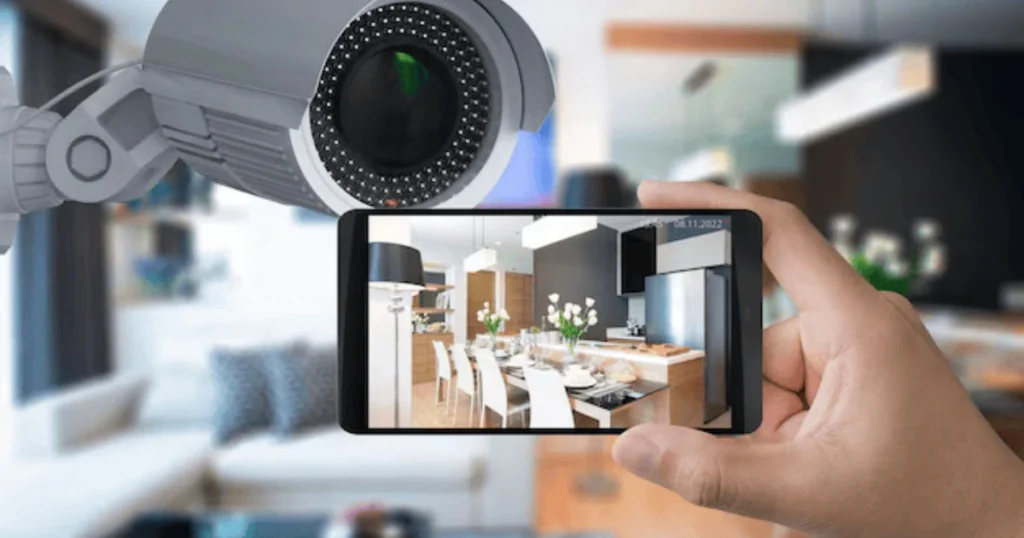
AI-powered remote monitoring offers a smarter and more effective solution. It combines machine learning, real-time analytics, and human expertise to create a strong security system.
Unlike traditional surveillance, this technology works proactively. It detects threats early and responds instantly, helping prevent incidents before they escalate.
The Evolution of Security: From Traditional Guards to AI-Driven Solutions
Property security has changed significantly over the years. In the past, property owners relied on human guards and standard surveillance cameras to protect their assets. Although these methods provided basic security, they had several limitations.
Limitations of Traditional Security Systems
Traditional security systems often struggled to prevent incidents effectively. Human guards could make errors, especially during long shifts. In addition, delayed response times reduced their ability to act quickly in critical situations.
CCTV systems also had drawbacks. While they recorded footage, they required constant monitoring. As a result, it was difficult to track multiple camera feeds at the same time.
The Rise of AI in Property Security
As technology improved, security systems became more advanced. Today, AI and machine learning play a major role in modern property security.
AI-powered systems analyze large amounts of data in real time. They can detect unusual activity, recognize faces, and identify suspicious behavior quickly. This allows businesses to respond faster and more effectively.
From Reactive to Proactive Security
Unlike traditional methods, AI-driven solutions focus on prevention rather than reaction. They identify potential threats before they become serious problems.
This shift from reactive security to proactive protection has set a new standard. As a result, property owners can now rely on smarter, faster, and more efficient security systems.
Customizable Solutions for Every Need
At OHZ Remote Guarding, we know that every property has different security needs. Therefore, we offer customizable solutions designed to match each client’s specific requirements.
Whether you manage a residential complex, a commercial building, or a large-scale event, our team provides the right technology and expertise to keep your property secure.
Tailored Security for Better Protection
A one-size-fits-all approach does not work in modern security. Instead, each solution is carefully designed based on the property type, risk level, and security goals.
This ensures better protection, faster response, and more effective monitoring.
Real-World Example: Smarter Security in Action
For instance, one of our clients, a commercial real estate owner, faced frequent unauthorized access to their building. This created safety concerns for both the property and its tenants.
After a detailed assessment, we implemented an AI-powered facial recognition system along with real-time monitoring.
Measurable Results
The results were clear and impactful:
- Significant reduction in unauthorized access
- Improved safety for tenants
- Better control over building entry points
As a result, the property became more secure and easier to manage.
7 Core AI Security Technologies Explained
AI-powered security systems offer a wide range of advanced features. These technologies improve accuracy, reduce false alarms, and help prevent incidents before they happen.
Real-Time Facial Recognition
AI systems identify individuals instantly by comparing live video with approved and blacklisted databases. As a result, security teams can respond quickly and accurately.
This enables:
- Detection of known offenders
- Verification of residents or VIPs
- Stronger access control
With up to 95% accuracy in both day and night conditions, facial recognition greatly improves identity-based security.
Behavioral Anomaly Detection
AI learns normal activity patterns for each property. When unusual behavior occurs, it immediately flags the activity for review.
For example:
- Loitering near entry points
- Sudden group formation
- Suspicious movement patterns
With up to 87% prediction accuracy, this feature allows early intervention before incidents escalate.
License Plate Recognition (LPR)
AI-powered cameras capture and analyze license plates in real time. This improves vehicle monitoring and access control.
Key capabilities include:
- Blacklist matching
- Detection of unauthorized vehicles
- Tailgating alerts
Even in low-light conditions, systems can detect license plates from up to 100 feet away.
Intelligent Object Classification
Traditional motion detection often creates false alarms. However, AI reduces this problem by accurately identifying objects.
It can distinguish between:
- Humans and animals
- Vehicles and shadows
- Real threats and environmental movement
With 92% classification accuracy, this feature eliminates up to 80% of false alerts and improves overall efficiency.
Predictive Threat Analytics
AI analyzes historical data to identify patterns and risks. Therefore, security teams can take action before problems occur.
It helps detect:
- High-risk time periods
- Vulnerable areas
- Recurring threat patterns
This leads to up to 75% proactive threat prevention, making security more strategic and effective.
Audio Threat Recognition
AI-enabled audio systems detect critical sounds that cameras may miss. This adds another layer of protection.
These systems can identify:
- Breaking glass
- Aggressive shouting
- Emergency distress signals
With 89% sensitivity, audio monitoring improves overall situational awareness.
PPE Compliance Monitoring
For construction and industrial sites, AI ensures safety compliance in real time.
It can detect:
- Hard hats
- Safety vests
- Unauthorized access to restricted zones
As a result, businesses can maintain OSHA compliance, reduce liability, and improve worker safety.
AI vs Traditional Security: Technical Comparison
Choosing the right security solution is critical for protecting your property. Traditional systems often fall short when compared to modern AI-powered solutions.
Key Differences in Security Systems
| Feature | Security Guards | CCTV Only | OHZ AI Remote Monitoring |
|---|---|---|---|
| Threat Detection | Visual only | Motion-based | AI-powered analytics |
| Accuracy | Around 60% | Around 25% | Up to 95% |
| Response Time | 10–15 minutes | No response | Within 30 seconds |
| Coverage | Limited patrol areas | Fixed camera views | Unlimited camera feeds |
| Reliability | Affected by human fatigue | Always active | AI + human hybrid |
| Scalability | Expensive to expand | Limited flexibility | Enterprise-ready |
Why AI Security Is More Effective
Traditional security systems are mostly reactive. They respond only after an incident occurs, which can lead to delays and increased risk.
In contrast, AI-powered remote monitoring is both predictive and preventive. It detects threats early and allows faster action.
As a result, businesses can reduce risks, improve response times, and achieve better overall security.
OHZ AI Response Architecture (45 Seconds)
The strength of AI-powered security lies in its speed, accuracy, and coordination. With a structured response system, threats are identified and handled within seconds.
Multi-Layer Processing Pipeline
AI remote monitoring follows a step-by-step process to detect, verify, and respond to threats efficiently:
- 0–3 seconds: Edge AI detects motion or unusual activity
- 3–12 seconds: Cloud systems verify and analyze behavior
- 12–25 seconds: Human operators validate the potential threat
- 25–40 seconds: Audio warning is triggered and escalation begins
- 40–45 seconds: Incident is logged and AI systems update through retraining
Faster Response, Better Protection
This multi-layered approach ensures that every alert is carefully analyzed before action is taken. As a result, false alarms are reduced while real threats receive immediate attention.
Proven Results
With this advanced response architecture:
- Up to 92% of threats are stopped before escalation
- Property damage and financial loss are significantly reduced
- Security teams gain faster and more reliable control
Industry-Specific AI Applications
AI-powered security systems are highly adaptable. They provide tailored solutions for different industries, helping businesses improve safety, reduce losses, and increase efficiency.
Retail Security
AI enhances retail security by detecting suspicious behavior in real time. Instead of just tracking movement, it analyzes patterns to prevent theft before it happens.
Key applications include:
- Shoplifting pattern detection
- Organized retail crime (ORC) tracking
- Return fraud analysis
As a result, retailers can reduce losses and improve store security.
Apartment Complex Security
AI improves safety and access control in residential properties. It helps property managers monitor activity and protect residents more effectively.
Key features include:
- Tailgating detection
- Package theft prevention
- Resident verification
This leads to better tenant safety and increased property value.
Construction Site Security
Construction sites face unique risks, including equipment theft and safety violations. AI helps manage these challenges efficiently.
Common use cases include:
- Equipment movement alerts
- Material theft detection
- PPE compliance monitoring
As a result, companies can reduce losses and maintain safety compliance.
Car Dealership Security
Car dealerships require strong protection for high-value inventory. AI systems provide advanced monitoring and fraud detection.
Key capabilities include:
- VIN tracking
- Key swap detection
- Test drive fraud prevention
This ensures better control over vehicles and reduces financial risks.
Warehouses and Logistics Security
AI improves both security and operational efficiency in warehouses and logistics facilities.
Important applications include:
- Forklift safety monitoring
- Inventory shrinkage control
- Perimeter intrusion detection
Therefore, businesses can protect assets while optimizing daily operations.
ROI Analysis: AI Remote vs Traditional Methods
Investing in the right security system can save money while protecting your property. Here’s a comparison for a mid-size property (~50,000 sq ft):
| Method | Setup Cost | Monthly Cost | Annual Theft Loss | Year 1 Total | Savings |
|---|---|---|---|---|---|
| Guards Only | $0 | $7,200 | $150,000 | $237,000 | — |
| CCTV + Guards | $15,000 | $2,000 | $75,000 | $99,000 | -$138K |
| OHZ AI Remote Monitoring | $3,000 | $1,200 | $15,000 | $27,600 | +$209K |
Additional Financial Benefits
AI-powered security provides more than just theft prevention. Other cost advantages include:
- 25–35% reduction in insurance premiums
- Lower liability claims
- Increased operational efficiency
AI Security Pays for Itself
Compared to traditional methods, AI remote monitoring quickly delivers measurable ROI. It not only reduces losses but also lowers ongoing costs and improves overall operational performance.
Enterprise Multi-Property AI Dashboard
Implementing AI-powered security is fast, efficient, and structured to ensure maximum effectiveness. Most properties can achieve full deployment in under 72 hours.
Phase 1: Security Audit & Camera Evaluation
Conduct a comprehensive assessment of existing security infrastructure. Identify blind spots and determine camera coverage needs.
Phase 2: AI Deployment & Cloud Integration
Install AI software and connect systems to cloud platforms for real-time analytics and monitoring.
Phase 3: Live Monitoring Activation
Activate live AI monitoring to detect and analyze activity instantly. The system begins proactive threat detection.
Phase 4: Optimization & False Alert Reduction
Fine-tune algorithms to minimize false alarms while maintaining high detection accuracy.
Phase 5: Predictive Analytics Enabled
Enable predictive analytics to anZticipate potential threats based on historical and real-time data.
Phase 6 : Continuous AI Improvement
The AI system continuously learns and improves from new data, maintaining optimal security performance over time.
The Future of Property Security
As AI technology continues to evolve, so too will the capabilities of remote monitoring systems. At OHZ Remote Guarding, we are committed to staying at the forefront of these advancements, ensuring that our clients benefit from the latest and most effective security solutions available. Our focus on innovation and continuous improvement means that your property will always be protected by the most advanced technology on the market.

AI-powered remote monitoring is not just the future of property security—it’s the present. By leveraging the power of AI, OHZ Remote Guarding offers unparalleled protection, tailored to the unique needs of each client. With our advanced systems and expert team, you can rest assured that your property is in the safest hands.
Contact us today to learn more about how we can help secure your property with our cutting-edge AI-driven solutions.
Conclusion
Security threats keep changing, and now automotive dealerships require serious protection more than ever. Traditional security isn’t cutting it anymore; protecting cars, staff, and customers calls for something stronger. That’s where Automotive Dealership Video Monitoring comes in it’s vital for safety today.
These systems use high-def cameras, AI tech, and real-time watches to catch trouble quicker. Dealerships spot problems and deal with them before anything bad happens. The best part? They cover all areas from lots and showrooms to service spots and doors.
Also, these setups help find suspicious actions, cut down on stealing, and block people who don’t belong there. Plus, managers get alerts right away if something fishy is going on, and they can check things remotely. All in all, it steps up security and makes running the place smoother too.
Automotive Dealership Video Monitoring helps protect pricey vehicles too. It tracks their movement, spots risks, and aids quick responses during incidents. Thus, dealers can cut losses, increase accountability, and keep everyone safer.
Looking forward, top-tier security systems remain crucial for car dealers. With AI and smart threat detection, they handle new hazards better. By choosing these advanced monitoring methods, dealers safeguard assets, boost security, and foster trust—helping their business thrive.
FAQs
AI-powered security is proactive, intelligent, and scalable. Unlike traditional CCTV, it detects real threats, reduces false alarms, and responds within seconds. Continuous learning, multi-property monitoring, and privacy-compliant facial recognition make it ideal for modern businesses across retail, logistics, construction, and residential sectors.
1. What makes AI-powered monitoring better than traditional CCTV?
AI uses behavioral analysis and machine learning to detect real threats in real time. In contrast, traditional CCTV only records footage for later review.
2. How accurate is facial recognition in low light?
AI facial recognition maintains up to 95% accuracy even in low-light conditions. This is achieved using infrared and thermal-enhanced imaging, ensuring reliable identification at all hours. Such accuracy reduces the chance of misidentification and enhances overall security.
3. How does AI reduce false alarms?
AI minimizes false alerts through multi-layer filtering, including object classification, behavioral analysis, and contextual evaluation. This ensures only genuine threats trigger responses, reducing unnecessary disruptions and improving security team efficiency.
4. Can AI work with existing cameras?
Yes. Most AI security solutions integrate with existing IP cameras without the need for complete replacement. This allows businesses to upgrade their security infrastructure efficiently while leveraging current investments.
5. What is the average response time?
AI systems can detect and respond to threats within 30 seconds. This rapid response ensures that suspicious activity is addressed immediately, preventing escalation and minimizing potential losses.
6. Does AI monitoring work during outages?
Yes. Edge AI continues functioning during power outages or network failures, supported by backup power and cellular failover. This guarantees uninterrupted monitoring and continuous protection even in challenging situations.
7. Is facial recognition privacy compliant?
AI security systems adhere to GDPR and other privacy regulations. Data is securely managed, access is controlled, and facial recognition is used only for authorized purposes, balancing security needs with privacy concerns.
8. How fast does AI improve over time?
AI systems continuously learn from new data, improving detection accuracy from 95% to 98% within roughly 90 days. This ongoing improvement makes the system smarter and more effective at preventing incidents over time.
9. Can AI monitor multiple properties?
Absolutely. Centralized dashboards allow AI to monitor 50+ locations simultaneously. This provides property managers with a unified view of all sites, ensuring consistent security across large portfolios.
10. What industries benefit most from AI security?
AI-powered security benefits industries such as retail, construction, logistics, residential complexes, and automotive dealerships. These sectors gain protection against theft, fraud, and operational risks while improving overall efficiency.

Security content creator with OHZ Remote Guarding, focusing on advanced asset protection strategies during extended business closures and seasonal risks.