Industrial Security Services for Factories and Plants
Industrial facilities face unique security challenges. Factories and manufacturing plants usually cover large areas and contain expensive equipment and valuable inventory. As a result, these facilities can become targets for theft, vandalism, or unauthorized access.
Without proper protection, a single security breach can cause serious problems. It may lead to production delays, financial losses, or risks to employee safety.
This is why many companies use professional industrial security services. These services combine trained security personnel, advanced surveillance technology, and strategic monitoring systems to keep industrial environments secure.
In this guide, we’ll explore how industrial security services protect factories and plants, the technologies used, and why specialized security solutions are essential for modern manufacturing operations.
Why Factories Need Specialized Industrial Security
Factories store valuable items. These items may be stolen or damaged if security is weak. In this case, general security solutions may not be sufficient to deal with the security risks that exist. For instance, a factory may have a large production area, many entrances, and machinery that needs to be monitored. There is a need to use industrial security solutions, which may include CCTV cameras, access control, motion detectors, and AI-based security solutions. With the use of industrial security solutions, a factory may be able to prevent theft, protect lives, and operate efficiently.
large production floors
heavy machinery and tools
storage areas with valuable raw materials
multiple entry and exit points
restricted operational zones
Because of these risks, factories need security strategies designed just for industrial environments.
Industrial facilities face many risks. For example, common threats include:
equipment theft
unauthorized site access
employee safety threats
industrial espionage
vandalism or sabotage
Professional industrial security services help prevent these issues through continuous monitoring, access control, and trained security personnel.
Core Industrial Security Services
Industrial security providers combine physical protection with advanced technology to keep facilities safe. For example, they may provide trained security guards, access control systems, CCTV surveillance, and alarm monitoring. Some services include AI-powered video analytics, perimeter detection, and real-time alerts to quickly respond to incidents. By using a mix of personnel and technology, industrial security providers help prevent theft, protect employees, and ensure smooth, safe operations in factories.
Armed and Unarmed Guards for 24/7 Patrols
Trained security guards provide one of the strongest forms of industrial protection.
Trained guards perform tasks such as:
monitoring entry and exit points
conducting routine patrols across the property
checking visitor credentials
responding to suspicious activity
Some facilities require armed guards, especially when protecting high-value equipment or sensitive industrial materials.
CCTV and AI-Powered Industrial Surveillance
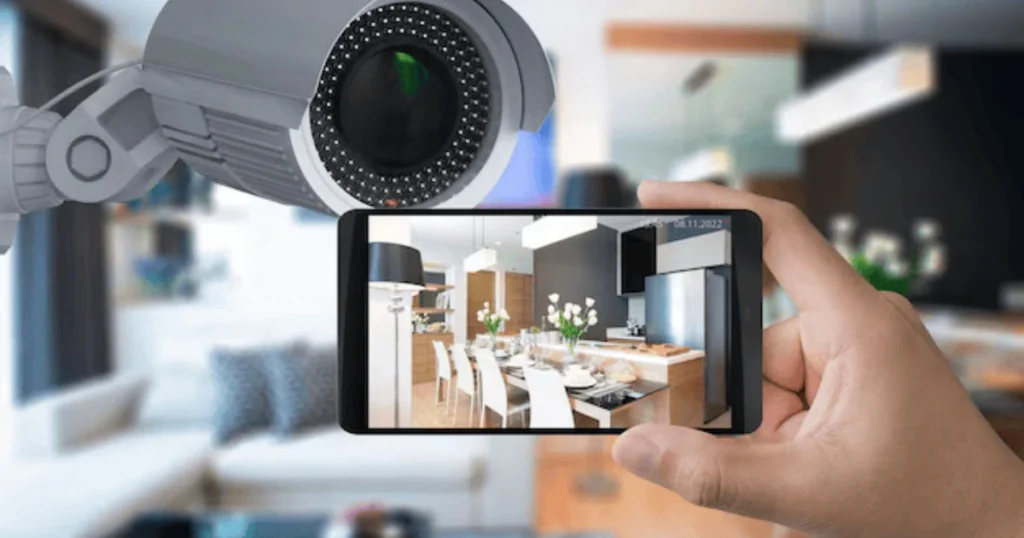
Modern factories rely heavily on CCTV systems to monitor operations and detect security threats. High-resolution cameras with night vision and wide-angle coverage can track activity across large production floors. As noted in the SDM Magazine State of the Market Video Surveillance Analysis, the shift toward unified, cloud-enabled video platforms allows operators to integrate AI analytics across distributed camera feeds for seamless, real-time oversight.
AI-powered analytics can automatically detect unusual movements, unauthorized access, or safety hazards, sending instant alerts to security teams. These smart systems help security teams respond quickly, stopping problems before they grow.
Advanced systems now use AI-powered analytics that can:
These smart systems help security teams respond quickly, stopping problems before they grow.
Access Control and Biometric Systems
Industrial plants often limit entry to sensitive areas such as production zones, chemical storage, or control rooms. For example, using keycards, PIN codes, or biometric systems like fingerprint and facial recognition ensures that only authorized personnel can enter these zones. Access control systems can also track who enters and leaves each area, providing an audit trail for security purposes. By combining strict access policies with technology, factories can prevent unauthorized access, protect employees, and safeguard critical equipment and materials.
Access control systems allow companies to manage who can enter specific areas using:
These tools help ensure that only authorized employees can access restricted locations.
Perimeter Fencing with Intrusion Detection
Industrial facilities often cover large outdoor areas, making strong perimeter protection essential. For example, fences combined with motion sensors, infrared beams, or cameras can detect unauthorized entry quickly. Some systems send instant alerts to security teams if someone tries to climb or breach the fence. By securing the perimeter effectively, factories can prevent theft, vandalism, and safety incidents, keeping both employees and valuable equipment safe.
Security providers often install:
If someone attempts to breach the perimeter, security teams are alerted immediately.
Factory Security Services Designed for Your Plant

Every factory is unique, and its security plan should match its size, operations, and potential risks. For example, a factory with multiple production floors may need CCTV cameras on each level, while a chemical storage facility might require stricter access controls and perimeter sensors. Tailored security strategies ensure that all high-risk areas are monitored, employees are protected, and operations run safely and smoothly. By designing a plan specifically for your plant, you can reduce theft, prevent accidents, and maintain business continuity.
Night Shift Protection
Many industrial facilities operate overnight when security risks may increase.
Dedicated night security measures include:
These measures ensure that the facility remains secure during off-peak hours.
Many businesses compare remote guarding with traditional on-site security guards.
Here are some key differences:
| Feature | Remote Guarding | On-Site Guards |
|---|
| Monitoring | Live video monitoring | Physical patrols |
| Coverage | Entire property | Limited areas |
| Response time | Seconds | Minutes |
| Cost | Lower overall cost | Higher staffing cost |
| Scalability | Easy to scale | Requires more guards |
In many cases, businesses choose a hybrid security approach, combining remote monitoring with physical guards for maximum protection.
Inventory and Machinery Safeguards
Factories store valuable machinery, tools, and raw materials that can attract theft.
Security teams help protect these assets by:
monitoring storage areas
tracking equipment access
implementing asset protection protocols
conducting regular security audits
This reduces the risk of internal theft or unauthorized equipment usage.
Industrial Surveillance Advanced Tech Solutions
Security technology has improved a lot in recent years, helping industrial facilities use better monitoring systems.
Drones and Thermal Cameras for Large Sites
Large industrial areas are difficult to monitor using traditional methods alone. To help with this, modern surveillance systems now incorporate technologies such as drone surveillance, thermal cameras, and smart analytics.
drone surveillance for large property inspections
thermal cameras that detect heat signatures in low visibility conditions
smart analytics that identify suspicious behavior automatically
These tools provide security teams with better visibility across expansive industrial sites.
Cost of Industrial Security vs. Downtime Risks
Some businesses hesitate to invest in professional security services due to cost concerns.
However, the cost of a security breach can be far greater.
Security incidents can result in:
When production stops, even briefly, factories may lose thousands of dollars per hour. Investing in reliable security solutions helps prevent these costly disruptions.
Case Studies Factories Secured Successfully
Many manufacturing companies have significantly improved safety after implementing professional industrial security services.
Manufacturing Plant Security Upgrade
A large manufacturing facility implemented a combination of AI surveillance cameras and controlled access systems. Within the first year, the company reported a significant reduction in unauthorized access incidents.
Warehouse and Industrial Site Monitoring
Another industrial site installed remote monitoring and perimeter intrusion detection. Security teams detected suspicious activity quickly and stopped potential theft attempts.
These examples demonstrate how strategic industrial security planning can reduce risks and protect business operations.