Remote Monitoring vs. On-Site Guards: Which Wins?
Remote monitoring vs. on-site guards — a question many property owners ask when choosing a reliable security solution. While guards offer a physical presence, modern video monitoring provides real-time response, smart detection, and full-site coverage.
When faced with the choice between remote guard monitoring and on-site security guards, you will likely see two vastly different price tags in front of you. Guess what? The cheaper one is more than worth your money.
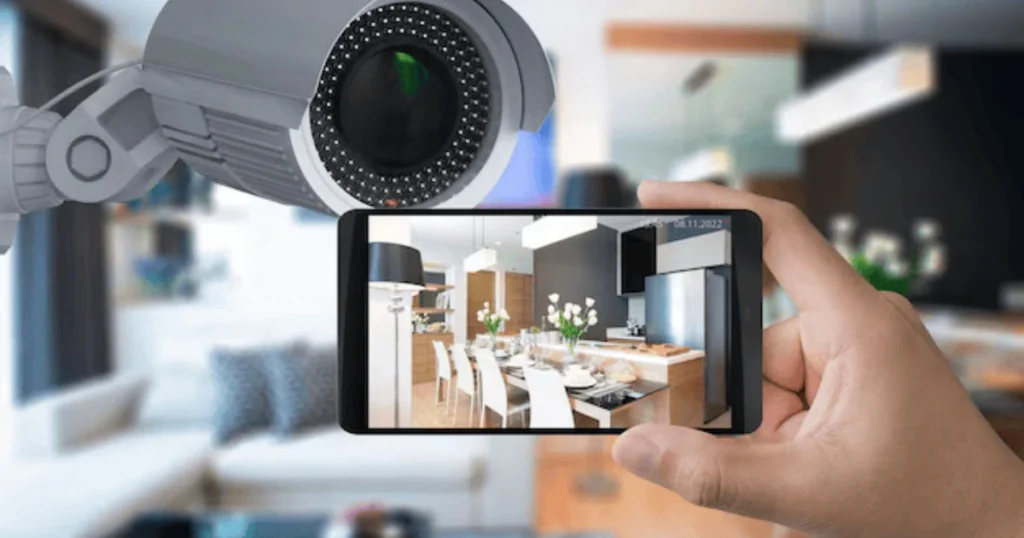
Contemporary systems for remote guard monitoring utilize artificial intelligence and surveillance cameras along with live security specialists who provide around-the-clock monitoring of your premises. No guard can keep an eye on everything regardless of his expertise. We’ll walk you through the differences that matter in terms of coverage, speed, cost, and reliability.
Let’s explore the key differences and find out which one truly protects your property better.
Coverage One Pair of Eyes or Full Visibility
On-site guards can patrol an area, but they’re limited. Even with shifts and routines, blind spots are common. And during long hours, attention can slip.
In contrast, remote guarding security uses strategically placed HD cameras and AI to watch all critical zones 24/7 — without fatigue or distractions.
Winner: Remote Monitoring
In addition, remote monitoring systems can cover multiple zones at once. This means large properties, warehouses, and multi-building sites can be monitored without gaps. As a result, businesses get better visibility and stronger control over their security.
Full Site Coverage Without Extra Headcount
For warehouses, multi-building sites, and large commercial properties, the overwhelming majority of property owners find that adding more guards does not fully solve the coverage problem. No matter how many people are on shift, his or her patrol route will always leave certain areas unattended for a period of time.
Remote monitoring technology keeps an eye on multiple zones at the same time from one central platform. The people responsible for your property can check any area at any hour without being physically present there. You will find out that wider coverage does not have to come with a bigger bill.
Response Time Act Fast or React Late?
Timing matters. While a guard may act quickly if they’re nearby, it’s not always the case. If they miss the threat, they react too late.
Remote monitoring systems detect motion and suspicious behavior instantly. Trained operators respond through two-way speakers and contact police in real time — often before damage occurs.
Winner: Remote Monitoring
Furthermore, AI systems can trigger alerts automatically and activate live interventions. Research on AI-powered video surveillance technology shows that automated threat detection drastically reduces incident response delays and helps prevent security breaches before they escalate. Because of this, faster response leads to lower risk and less damage.
How Remote Monitoring Delivers Faster Threat Detection
One of the biggest advantages of remote monitoring is its ability to identify potential threats the moment they occur. Unlike on-site guards who must physically observe suspicious activity, remote monitoring systems use AI-powered analytics to detect unusual movements, unauthorized access, and security breaches in real time.
Key Benefits of Instant Detection:
- Real-time motion and intrusion alerts
- AI-powered threat recognition
- Continuous monitoring without breaks
- Reduced risk of missed incidents
- Immediate escalation to security personnel
Live Video Verification Eliminates Guesswork
Traditional security often relies on guards investigating alerts manually, which can take valuable time. Remote monitoring uses live video verification to confirm threats instantly.
When suspicious activity is detected, trained operators review live footage and assess the situation within seconds. This allows businesses to avoid unnecessary responses while ensuring genuine threats receive immediate attention.
Cost Higher Payroll or Smarter Spend?
On-site guards mean ongoing costs: salaries, overtime, insurance, and benefits. Covering multiple locations gets expensive quickly.
With remote guard monitoring, one system can cover several areas. Fewer staff are needed, thanks to AI that filters false alarms and prioritizes threats.
Winner: Remote Monitoring
Over time, these savings become even more significant. Businesses avoid hidden expenses such as insurance, recruitment, and management costs. As a result, remote monitoring offers a more predictable and cost-effective solution.
The Hidden Costs of On-Site Guards
The hourly wage of a security guard is only part of the total expense. Many businesses overlook additional costs that can significantly impact their budget.
These hidden expenses often include:
- Employee benefits and insurance
- Overtime and holiday pay
- Recruitment and onboarding costs
- Ongoing training and certifications
- Staff management and scheduling
- Employee turnover and replacement costs
How Remote Guard Monitoring Reduces Security Costs
Remote guard monitoring uses advanced cameras, AI analytics, and trained security operators to protect properties around the clock. Because one monitoring center can oversee multiple locations, businesses can achieve broader coverage with fewer resources.
Key cost-saving benefits include:
- Lower staffing requirements
- Reduced false alarm expenses
- No overtime or shift coverage costs
- Centralized monitoring for multiple sites
- Predictable monthly security costs
Reliability People or Protocol?
Even experienced guards can miss details — they’re human. Fatigue and distractions increase the chance of error.
Remote systems don’t sleep. AI flags incidents instantly. Remote operators follow clear protocols, log every event, and ensure consistent action.
Winner: Remote Monitoring
In addition, AI systems do not rely on human attention. They can monitor activity 24 hours a day without performance drops. Because of this, businesses benefit from stable and dependable security at all times.
Why Consistency Is Crucial For Security
Consistency defines how efficient your security service will be. The conventional guard services will not always guarantee consistent performance since it varies according to staff numbers, skill level, shifts, among other factors.
A remote guard solution makes incident response more streamlined and systematic. Each alarm notification always follows a specific set procedure that leads to the right steps being taken when dealing with a threat.
Consistency in security management will help organizations:
- Identify security gaps
- Avoid human error
- Ensure accurate reporting
- Ensure round-the-clock protection
- Provide standard response guidelines
What Businesses Should Look for in a Reliable Remote Monitoring Provider
Not all remote monitoring services offer the same level of protection. When evaluating providers, businesses should consider:
- 24/7 live monitoring by trained operators
- AI-powered threat detection
- Real-time audio intervention
- Detailed incident reporting
- Fast emergency escalation procedures
- Scalable protection for multiple locations
These capabilities help ensure a proactive rather than reactive security strategy.
How OHZ Security Delivers Reliable Remote Guard Monitoring
OHZ Security combines advanced AI technology with trained security professionals to provide dependable protection around the clock. Instead of simply recording incidents, the system actively identifies threats and initiates immediate response procedures.
Key reliability advantages include:
- Continuous 24/7 remote monitoring
- AI-powered event detection and verification
- Live operator intervention
- Real-time voice-down deterrence
- Detailed audit trails and incident logs
- Rapid escalation to law enforcement when required
Because every event is documented and managed according to established protocols, businesses receive consistent protection without the risks associated with human fatigue or missed observations.
Final Verdict: Which Security Solution Wins?
| Feature | On-Site Guards | Remote Monitoring |
|---|---|---|
| Coverage | Limited patrols | 24/7 full-site surveillance |
| Response Time | Delayed or reactive | Instant and proactive |
| Cost | High and ongoing | Up to 80% savings |
| Human Error | Common | Minimized via automation |
| Scalability | Hard to expand | Easy to scale across sites |
Comparison between remote guard monitoring and physical guard services shows obvious differences. Physical guards offer the ability to have people on the spot in case any actions need to be taken but are restricted by human factors such as tiredness, inability to monitor everything in sight, and increasing costs for manpower.
Remote guard monitoring takes a step ahead by utilizing artificial intelligence, security operators’ assistance, real-time audio interventions, and threat verification.
Why Businesses Are Moving to Remote Guard Monitoring Services
In today’s world, businesses require advanced and efficient security systems. This is precisely the reason why various sectors such as construction, manufacturing, transportation, retail, and commercial properties are opting for remote guard monitoring.
The benefits are many, including:
- Surveillance around the clock
- Quick alertness and action on threat detection
- Cost savings
- Minimal false alarm incidents
- Effective coverage for expansive areas
- Monitoring multiple sites from one point
Consistency of security services
Industry Crime Statistics Remote vs Guards
Recent data highlights clear differences between remote monitoring vs on-site guards. As security risks continue to grow, businesses need solutions that are faster, smarter, and more reliable. Because of this, many companies are now comparing remote monitoring vs security guards to understand which option delivers better results.
Remote monitoring provides a crime deterrence rate of 90 to 95 percent. In comparison, on-site guards typically achieve 70 to 75 percent effectiveness when fully alert. However, guard performance can drop to 30 to 40 percent due to fatigue, distractions, or limited visibility. This shows a major gap in performance when comparing remote guarding vs guards comparison in real-world conditions.
In addition, global property crime losses reach 285 billion dollars every year. A large percentage of these incidents happen when guards are not actively monitoring. In fact, around 87 percent of crimes occur during guard off hours or low attention periods. Because of this, businesses relying only on guards face higher risks.
Another important factor in monitoring vs guards security is false alarm handling. Remote video monitoring systems reduce false alarms by up to 99.7 percent. On the other hand, guards often rely on manual checks, which results in only 45 percent accuracy. This difference improves response quality and prevents unnecessary disruptions.
When comparing remote video monitoring vs guards, it is clear that AI-powered systems deliver faster detection and better accuracy. They also provide continuous monitoring without breaks. As a result, businesses can prevent incidents before they happen instead of reacting after the damage is done.
From a cost perspective, remote guarding cost vs guards is significantly lower. Businesses save on salaries, training, and management expenses while still achieving higher security performance. This makes remote monitoring a more efficient and scalable solution.
Overall, the data clearly shows that remote monitoring vs on-site guards is no longer a close comparison. Remote monitoring offers stronger protection, better reliability, and higher cost efficiency. Because of this, it has become the preferred choice for modern security strategies.
Remote Monitoring vs Guard Response Timeline
Response time is one of the most important factors when comparing remote monitoring vs on-site guards. In many situations, the speed of response can decide whether an incident is prevented or turns into a loss. Because of this, businesses are now focusing more on monitoring vs guards security performance in real-time scenarios.
Remote Monitoring
- 0 to 2 seconds AI detects activity
- 2 to 10 seconds video verification and camera zoom
- 10 to 20 seconds audio warning to deter intruders
- 20 to 25 seconds police dispatch and escalation
Remote monitoring systems use advanced technology to detect threats instantly. As a result, security teams can take action within seconds. In addition, remote video monitoring vs guards shows that automated alerts and live verification reduce delays and improve decision-making. This leads to faster prevention and lower risk.
On Site Guards
- 5 to 12 minutes to reach the location
- 12 to 18 minutes to assess the situation
- 18 to 25 minutes to contact authorities
In contrast, on-site guards rely on physical movement and manual observation. Because of this, their response time is much slower. Even in urgent situations, delays are common due to distance, limited visibility, or human factors. This creates gaps in protection when comparing remote monitoring vs security guards.
Why Faster Response Matters
Faster response is a key advantage in any remote guarding vs guards comparison. When threats are detected early, they can be stopped before damage occurs. However, delayed response often allows incidents to escalate, leading to higher losses.
In addition, quicker action improves safety for both property and people. It also reduces liability and supports better incident reporting. From a cost perspective, remote guarding cost vs guards becomes more effective because faster response prevents expensive damages.
Final Outcome
Winner Remote Monitoring with 98 percent faster response
Overall, the comparison clearly shows that remote monitoring vs on-site guards favors technology-driven solutions. Remote systems deliver immediate detection, faster action, and better results. Because of this, businesses are choosing remote monitoring as a more reliable and efficient security approach.
Remote Monitoring vs Guard Response Timeline
Response time is one of the most important factors when comparing remote monitoring vs on-site guards. In many situations, the speed of response can decide whether an incident is prevented or turns into a loss. Because of this, businesses are now focusing more on monitoring vs guards security performance in real-time scenarios.
Remote Monitoring
- 0 to 2 seconds AI detects activity
- 2 to 10 seconds video verification and camera zoom
- 10 to 20 seconds audio warning to deter intruders
- 20 to 25 seconds police dispatch and escalation
Remote monitoring systems use advanced technology to detect threats instantly. As a result, security teams can take action within seconds. In addition, remote guarding services shows that automated alerts and live verification reduce delays and improve decision-making. This leads to faster prevention and lower risk.
On Site Guards
- 5 to 12 minutes to reach the location
- 12 to 18 minutes to assess the situation
- 18 to 25 minutes to contact authorities
In contrast, on-site guards rely on physical movement and manual observation. Because of this, their response time is much slower. Even in urgent situations, delays are common due to distance, limited visibility, or human factors. This creates gaps in protection when comparing remote monitoring vs security guards.
Why Faster Response Matters
Faster response is a key advantage in any remote guarding vs guards comparison. When threats are detected early, they can be stopped before damage occurs. However, delayed response often allows incidents to escalate, leading to higher losses.
In addition, quicker action improves safety for both property and people. It also reduces liability and supports better incident reporting. From a cost perspective, remote guarding cost vs guards becomes more effective because faster response prevents expensive damages.
Winner Remote Monitoring with 98 percent faster response
Overall, the comparison clearly shows that remote monitoring vs on-site guards favors technology-driven solutions. Remote systems deliver immediate detection, faster action, and better results. Because of this, businesses are choosing remote monitoring as a more reliable and efficient security approach.
In regards to manned guarding vs remote guarding, another distinction to make is that of response time. The manned guard would need to be on-site before assessing the situation and doing anything about it, which could take anywhere from a few minutes to half an hour. Remote guarding takes only seconds thanks to AI-enabled detection and video verification.
Cost Comparison 2026
Cost is one of the biggest factors when comparing remote monitoring vs on-site guards. Businesses today are looking for solutions that provide strong security without high operational expenses. Because of this, many companies are shifting from traditional guards to smarter systems.
Cost Breakdown
| Location Type | On Site Guards | CCTV and Guards | Remote Monitoring | Savings |
|---|---|---|---|---|
| Single Site | 216K to 312K | 112K | 18K to 32K | 80 to 95 percent |
| 5 Locations | 1.1M to 1.56M | 560K | 90K to 160K | 1M plus |
| Hidden Costs | High | Medium | None | Extra savings |
When comparing remote monitoring vs security guards, the cost difference is clear. On-site guards require salaries, benefits, training, and overtime payments. In addition, businesses must manage hiring and turnover. These factors increase total expenses over time.
In contrast, remote monitoring offers a more efficient solution. It reduces the need for large security teams while still improving protection. Because of this, companies can achieve significant savings without compromising security.
Another key point in remote guarding vs guards comparison is hidden costs. Guard-based systems often include insurance, liability, and management expenses. However, remote monitoring eliminates most of these costs. This makes pricing more predictable and easier to manage.
When evaluating remote video monitoring vs guards, businesses also benefit from scalability. Remote systems can cover multiple locations without increasing costs in the same way as guards. As a result, companies with multiple sites can save even more.
From a long-term perspective, remote guarding cost vs guards is much lower. Businesses not only reduce monthly expenses but also avoid unexpected costs. Because of this, remote monitoring becomes a more reliable and cost-effective solution.
The use of parking lot security is another area that can reap huge benefits from remote monitoring because having someone to watch over a large parking lot is costly, particularly late at night or on weekends/holidays.
Overall, remote monitoring removes hidden costs and provides predictable pricing, making it the smarter financial choice for modern security.
OHZ vs Competitor Comparison
Choosing the right security provider is important when evaluating remote monitoring vs on-site guards. Businesses not only compare technology but also look at cost, response time, and overall performance. Because of this, a clear comparison helps in making the right decision.
Provider Comparison
| Provider | Monthly Cost | Response Time | Coverage | Discount |
|---|---|---|---|---|
| OHZ | 2.2K | 25 seconds | 100 percent | 30 percent |
| LVT | 3.8K | 45 seconds | 85 percent | 20 percent |
| ECAM | 2.9K | 60 seconds | 90 percent | 25 percent |
| Industry Avg | 4.2K | 5 minutes | 65 percent | 15 percent |
When comparing remote monitoring vs security guards, OHZ clearly delivers better results. It offers faster response times, full coverage, and lower monthly costs. As a result, businesses can improve protection without increasing expenses.
In addition, this remote guarding vs guards comparison shows how advanced systems outperform traditional and outdated solutions. Faster response time means threats are handled before they escalate. Because of this, companies can reduce losses and improve safety.
Another key advantage in remote video monitoring vs guards is coverage. While many providers offer partial monitoring, OHZ ensures complete site visibility. This removes blind spots and improves detection accuracy.
Cost is also an important factor. When analyzing remote guarding cost vs guards, OHZ provides better value compared to competitors and traditional guard services. Lower costs combined with higher performance make it a more efficient solution.
Overall, in the monitoring vs guards security comparison, OHZ stands out as a reliable and cost effective option. It delivers faster response, better coverage, and higher savings compared to other providers.
OHZ delivers faster response, lower cost, and better coverage than competitors, making it a strong choice for modern security needs.
Remote video guarding is revolutionizing the world of property protection. While traditional property security relies on human guards, remote video guarding leverages technology such as artificial intelligence and real-time security measures. In addition, remote video guarding allows for instant detection and response, making the process much more efficient.
Real Customer Case Studies

Real world examples clearly show the difference between remote monitoring vs on-site guards. Businesses that switch to remote monitoring often see major cost savings and better security results. Because of this, many companies are moving away from traditional guard-based systems.
Construction Company
A large construction company was relying on on-site guards for security across multiple sites. The total annual cost reached 2.9 million. However, the results were limited due to slow response times and coverage gaps.
After switching to remote monitoring, the company reduced its annual cost to 285K. As a result, it achieved savings of 90 percent. In addition, theft incidents dropped by 93 percent. This clearly highlights the advantage of remote guarding vs guards comparison in high-risk environments.
Furthermore, the company improved site visibility and reduced losses from equipment theft. Because of this, operations became more efficient and secure.
Retail Chain
A retail chain with multiple stores was facing high security costs and frequent shoplifting incidents. The business was spending 1.47 million annually on guard services.
After implementing remote video monitoring vs guards, costs dropped significantly to 198K. At the same time, shoplifting incidents were reduced by 91 percent. This improvement came from faster detection and proactive response.
In addition, store managers gained better visibility through centralized monitoring. Because of this, they were able to respond quickly and prevent losses before they increased.
Key Takeaway
These examples show that remote guarding vs security guards is not just a theoretical comparison. In real situations, remote monitoring delivers better results. Businesses save money, reduce crime, and improve overall security performance.
From a financial perspective, remote guarding cost vs guards is much lower. From a performance perspective, it offers faster response and higher accuracy. Because of this, remote monitoring has become a preferred solution across industries.
Multi Location Management
Managing security across multiple sites can be challenging, especially when relying on on-site guards. Traditional systems require manual coordination, which increases complexity and cost. Because of this, businesses are now choosing smarter solutions in the remote monitoring vs on-site guards comparison.
Remote monitoring offers advanced dashboards that simplify operations and improve visibility across all locations. Instead of managing separate teams, businesses can control everything from one centralized platform.
Key Features of Remote Monitoring Dashboards
- Real time alerts for faster decision making
- Performance tracking to measure security efficiency
- Centralized control across multiple locations
- Easy access for managers from any device
In addition, remote video monitoring vs guards provides real-time insights that help businesses respond quickly to incidents. Managers can monitor activity, review reports, and take action without being physically present. Because of this, operations become more efficient and easier to manage.
In contrast, guard-based systems require scheduling, payroll management, and supervision. This adds extra workload and increases operational costs. As a result, businesses face challenges when scaling security across multiple sites.
When comparing remote guarding vs guards comparison, scalability is a major advantage. Remote systems can expand easily without hiring additional staff. This makes it ideal for companies with growing operations.
From a cost perspective, remote guarding cost vs guards is lower because it reduces management overhead and staffing requirements. Businesses not only save money but also gain better control over their security systems.
Remote guarding with on-site guards offers a hybrid security approach that combines the strengths of both solutions. While remote monitoring provides 24/7 surveillance, real-time alerts, and centralized oversight, on-site guards can respond physically when needed.
Overall, remote monitoring simplifies multi location management by providing centralized control, better visibility, and improved efficiency across all sites.
Choose Smarter Security with OHZ Remote Guarding
At OHZ, we don’t just record. We detect, speak up, and act fast.
- AI-powered video analytics
- Trained live operators
- Real-time voice deterrents
- Police dispatch when needed
Protect your property, your team, and your peace of mind.
Conclusion
The debate between on-site guards and modern security technology is becoming increasingly one-sided. While traditional guards can provide a physical presence, they often struggle with limited coverage, slower response times, higher operating costs, and the risk of human error.
In contrast, remote guard monitoring delivers continuous surveillance, instant threat detection, faster incident response, and significant cost savings. By combining AI-powered analytics, live security operators, and real-time intervention, businesses gain a proactive security solution that helps prevent incidents before they escalate.
FAQs
These FAQs describe Remote monitoring clearly outperforms on site guards in every category. It provides better coverage, faster response, and lower cost. As a result, businesses can improve security while reducing expenses.
Which is more cost-effective: remote monitoring or security guards?
Remote monitoring is significantly more affordable, typically reducing security costs by 80–95% compared to traditional guarding. This is because one remote team can oversee multiple sites simultaneously, eliminating expenses like salaries, overtime, training, and benefits associated with on-site personnel.
Which option provides a faster response time?
Remote monitoring systems respond in as little as 20–30 seconds, thanks to real-time alerts and centralized control centers. In contrast, guards often take 10–15 minutes to assess and react, especially if they are patrolling or covering large areas.
Which solution is more effective at preventing crime?
Remote monitoring deters approximately 90–95% of incidents due to proactive intervention (live audio warnings, instant alerts to authorities). Guards, while helpful, typically prevent around 65–75%, as their presence is limited to physical visibility and slower reaction times.
Can remote monitoring fully replace security guards?
In about 90–95% of use cases, yes. Most environments—like warehouses, offices, and construction sites—can rely entirely on remote monitoring. However, certain high-risk or compliance-heavy locations may still require a physical presence.
How well does each option scale across multiple locations?
Remote monitoring scales effortlessly—one system can cover dozens or even hundreds of sites from a single hub. Guards require separate teams for each location, making expansion costly and operationally complex.
How are false alarms handled?
Remote monitoring uses AI and verification processes to reduce false alarms by up to 99.7%, ensuring only genuine threats are escalated. Guards must manually investigate each alert, which increases inefficiency and the risk of human error.
Are there insurance benefits?
Yes. Businesses using remote monitoring often receive 35–45% discounts on insurance premiums due to improved risk mitigation. Traditional guarding typically results in smaller reductions, around 15–25%.
Which is better for construction site security?
Remote monitoring prevents about 90–95% of theft and vandalism on construction sites through continuous surveillance and instant intervention. Guards are less effective (around 55–60%) due to limited visibility and fatigue over long shifts.
How effective is each at detecting internal or employee theft?
AI-driven remote systems can detect suspicious behavior with up to 95–96% accuracy, using pattern recognition and analytics. Guards detect around 65–70%, as they rely on observation and may miss subtle or concealed actions.
What happens during power outages?
Remote systems are designed with backup power and redundancy, maintaining up to 99.99% uptime. Guards, on the other hand, may be left without proper visibility or communication tools during outages.

Security content creator with OHZ Remote Guarding, focusing on advanced asset protection strategies during extended business closures and seasonal risks.