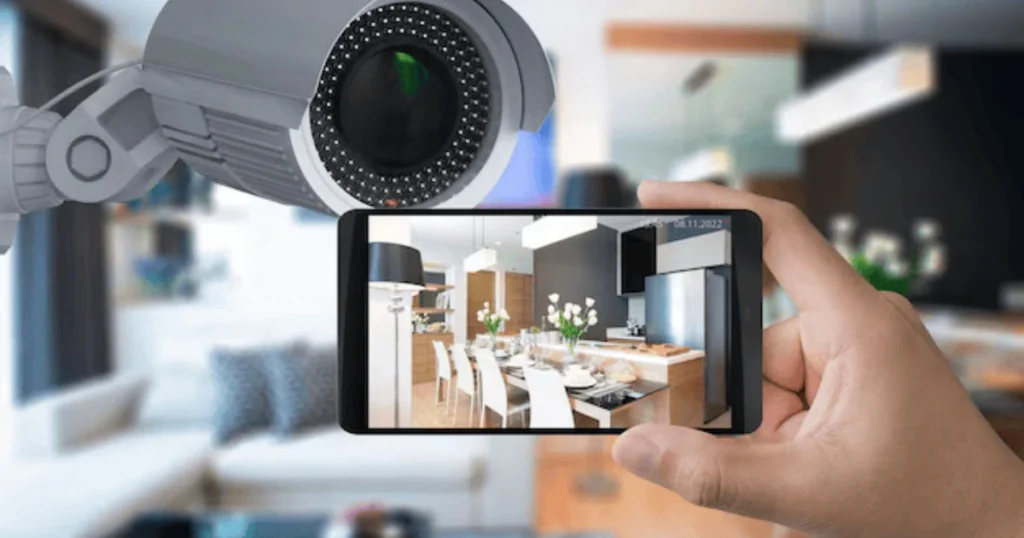
Hidden Costs of On-Site Security: The Case for Remote Guarding
Security is an essential aspect of any business or residential property, ensuring the safety of people, assets, and information. Traditional on-site security has been the norm for decades, with physical guards patrolling and monitoring properties. However, this method comes with significant hidden costs that can strain budgets and reduce efficiency. Remote guarding, utilizing advanced technology, offers a modern alternative that addresses many of these hidden costs. This blog delves into the hidden costs of on-site security and presents a compelling case for adopting remote guarding solutions.
There is a new dawn in business security. The days when you could rely on human guards or even cameras are long gone since today’s businesses are under threat from much faster and smarter perpetrators.
The need for a constant level of protection, predictability, and flexibility in security operations requires modern-day approaches that incorporate AI-based remote guarding. Such technologies go beyond monitoring and actually help in analyzing situations and preventing threats as they happen—while also addressing concerns like hidden costs on-site security and the growing debate around on-site security vs remote guarding.
Traditional security models often come with security guard hidden expenses, including rising labor costs security guards 2026, ongoing security guard turnover costs, and liabilities such as workers comp. These factors make it increasingly difficult for businesses to maintain cost efficiency, which is why many are now exploring remote guarding cost savings as a more scalable and predictable alternative.
The Financial Burden of On-Site Security
Labor Costs
One of the major costs of employing security services is that of labor. The hiring, training, and retaining of security personnel comes at a huge cost. Wages, allowances, bonuses, and the fact that the security service requires continuous attention all make labor very expensive. For instance, the salary of an on-site security guard can range from $25,000 to $50,000 annually per guard.
Key Cost Factors in Security Staffing
Several elements increase overall labor expenses:
- Salaries for security guards
- Employee benefits and insurance
- Overtime payments for extra shifts
- Training and onboarding costs
- Round-the-clock staffing requirements
As a result, costs rise quickly when full-time coverage is needed.
Cost of Hiring a Security Guard
The price tag for a security guard depends on the location and experience of the guard. Nonetheless, it will always be a huge expenditure for organizations.
On average:
- A security guard costs $25,000 to $50,000 per year per person
- Higher experience or urban locations increase the cost
- Night shifts and overtime also raise total expenses
Therefore, companies must consider long-term staffing needs before hiring.
Why Labor Costs Matter
It is not simply a cost incurred once. Rather, it represents a continuous outlay. Furthermore, mismanagement may result in overspending. It is due to this that many organizations consider other security options in order to lighten the burden on their employees.
Training and Certification
Training and certification play an important role in making sure that security staff members are well-equipped to deal with different situations. Such training includes not only training and education but also specializations. All of these increase expenses related to staffing. Security staff turnover is also high, which means more frequent trainings.
The first stage of the process is general training that usually focuses on such areas as access control, emergency protocols, conflict resolution, surveillance methods, report writing, and other basic skills. This phase is very important since it establishes minimal competency levels.
Besides the basic induction process, the on-site security vs remote guarding decision means security personnel must continuously learn about new threats, technologies, and regulations, which adds to hidden costs on-site security. This can include fire safety training, cybersecurity awareness training (for security jobs that involve computer use), crowd management training, and CPR/first aid certification, all contributing to security guard hidden expenses and rising labor costs security guards 2026. Training is critical in avoiding mistakes and making sound decisions in highly pressurized situations, while also helping reduce security guard turnover costs and workers comp risks.
On the whole, although training and licensing lead to increased costs, they are essential for quality service delivery and risk mitigation, which is why many organizations consider remote guarding cost savings as an alternative.
Equipment and Uniforms
Security personnel working on-site require uniforms, radios, flashlights, and other equipment to conduct their duties successfully. Such equipment needs to undergo regular maintenance and replacements; this, of course, increases the costs of implementation. Equipping a whole team of security personnel with required items is bound to become costly in the case of a big organization.
One has to remember that there are many roles that uniforms play beside the purely cosmetic ones. Wearing uniforms helps guards to gain an authoritative position, stand out in a crowd, as well as earn people’s trust and respect. Depending on the conditions at the site, uniforms will differ, ranging from ordinary suits to high visibility tactical clothing for factories, hospitals, or public events. Of course, uniforms will have to be robust, resistant to weather conditions, and will need replacing after each use.
Communicational equipment (two-way radio systems or communication devices) will enable guards and the control center to coordinate actions instantly. In bigger facilities, one might consider installing more advanced means of communication, like encrypted radio stations.
Simple things like torches, batons, body cameras, and notepads are also part of the basic equipment that officers must wear while on duty. The torch is especially crucial for evening or nighttime patrols and in areas where visibility may be an issue like car parks, basement, and warehouses. The use of body cameras is becoming more common for enhancing accountability and helping with any necessary investigations.
All in all, although equipment and uniforms can appear to be fundamental elements for security personnel, these are essential parts of the operations of any security system, and they come with considerable expense.
Liability and Insurance
The use of security guards creates liabilities. Injuries occurring to guards on their job can be grounds for workers’ compensation claims, while those occurring to members of the general public can be causes for lawsuits. On-site security services cost more than other options since insurance premiums tend to be higher.
The first issue relates to workplace injuries. Guards have to deal with physical confrontations, falls, bad weather, and emergency response work among others. As a result, there is a risk that employees can get injured, and employers would have to file workers’ compensation claims. They can cover medical care, treatment, and salary replacements among others. Therefore, the number and nature of such claims affect insurance premiums.
The second important liability concern is the risk of problems with members of the general public. Security guards tend to be the first people dealing with situations such as theft, trespassing, crowd control, or conflict between people. Thus, in case something negative happens and guards become liable for an injury, damage to a property, or other issues, the organization can end up having to pay money.
In order to mitigate these risks and address hidden costs on-site security, especially when evaluating on-site security vs remote guarding, it is imperative that businesses have complete insurance coverage, which includes general liability insurance, professional liability insurance (errors and omissions), as well as insurance coverage specific to the security industry. These requirements often add to security guard hidden expenses, influenced by labor costs security guards 2026, security guard turnover costs, and workers comp obligations. Insurance coverage ensures that neither the company nor their clients suffer any financial loss as a result of any unexpected occurrences, while also highlighting potential remote guarding cost savings alternatives.
The insurance cost in the security industry tends to be relatively high compared to other industries due to the high-risk nature of the business, contributing further to hidden costs on-site security. Variables such as the type of site that requires guarding, the incidence of crime in the surrounding area, staffing numbers, and whether or not the guards are armed all contribute to determining the insurance premiums, making on-site security vs remote guarding a critical financial consideration.

Administrative Costs
Managing a team of security guards requires significant administrative effort. Scheduling, payroll, performance evaluations, and incident reporting are all time-consuming tasks that require dedicated personnel, increasing overhead costs.What Drives Administrative Costs?
Several daily tasks require time, staff, and resources:
- Shift scheduling and duty rosters
- Payroll processing and salary management
- Performance reviews and evaluations
- Incident reporting and documentation
- Compliance tracking and record keeping
As a result, companies often need dedicated administrative staff to handle these tasks.
Administrative costs in managing a security guard team can be significant, as they involve ongoing coordination and oversight beyond just on-ground security operations. Tasks such as scheduling shifts, preparing duty rosters, processing payroll, conducting performance evaluations, and maintaining detailed incident reports all require consistent time, effort, and administrative resources. These responsibilities often increase overall operational overhead, as they typically cannot be handled without dedicated personnel or systems.
Several daily functions contribute directly to these costs. Shift scheduling and duty allocation must be carefully managed to ensure adequate coverage at all times. Payroll processing and salary management require accuracy and compliance with labor regulations. In addition, performance reviews and evaluations are necessary to maintain service quality, while incident reporting and documentation ensure accountability and transparency. Compliance tracking and record keeping further add to the administrative workload.
Due to the complexity and frequency of these tasks, organizations often need dedicated administrative staff or specialized systems to manage them efficiently, which further increases overall operational expenses.
Why These Costs Add Up
Each task may seem small on its own. However, together they create a heavy workload.
In addition, poor management can lead to errors in payroll or scheduling. This increases costs even more over time.
Therefore, businesses must invest in proper systems or personnel to stay organized.
Common Causes of Rising Costs
Several factors make administrative expenses grow over time:
- Multiple daily tasks like scheduling and payroll
- Manual processes that take more time
- Human errors in payroll or shift planning
- Repeated corrections and rework
- Lack of proper management tools
As a result, businesses spend more time and money than expected.
Human Error and Limitations
Even the most well-trained security guards are susceptible to human error. Fatigue, distractions, and biases can affect performance and response times. Coverage can also be compromised during breaks, shift changes, or absences, creating potential security gaps.Human error and inherent limitations are important challenges in traditional security guard-based systems. Even highly trained security personnel can be affected by factors such as fatigue, distractions, and cognitive bias, all of which may impact their ability to consistently detect and respond to threats in real time.Performance can also vary depending on working conditions and shift patterns. Extended hours, night duty, or high-pressure environments may reduce alertness over time, potentially slowing response times or leading to oversight. In addition, security coverage is not always continuous—breaks, shift changes, and unexpected absences can create temporary gaps in monitoring and protection.Limited Surveillance Capabilities
On-site guards are limited by their physical presence and field of vision. Monitoring large areas or multiple locations simultaneously is challenging, and blind spots are inevitable. This limitation can reduce the overall effectiveness of the security strategy.One key limitation is the restricted field of vision. Even with regular patrols, guards cannot continuously observe every corner of a facility. Large properties such as warehouses, shopping complexes, industrial plants, and parking security structures often contain multiple entry points, corridors, and hidden zones where suspicious activity can go unnoticed. These blind spots create vulnerabilities that can be exploited if additional surveillance systems are not in place.
Another challenge is simultaneous monitoring. In environments with multiple activity zones—such as events, campuses, or transport hubs—security personnel must prioritize incidents or areas, which means some locations may receive less attention at any given time. This reduces real-time situational awareness compared to advanced remote video monitoring and live video monitoring solutions that can oversee multiple feeds simultaneously through centralized remote security monitoring services.Human factors also affect surveillance effectiveness. Fatigue, distraction, and shift changes can reduce alertness, especially during long or overnight shifts. Even highly trained personnel may miss subtle or fast-developing incidents simply due to natural limitations in attention and reaction time. This is where intelligent video analytics and intelligent video monitoring enhance performance by automatically detecting unusual behavior, triggering alerts, and supporting remote guarding services and remote guard monitoring teams.Environmental conditions further impact visibility. Poor lighting, weather conditions, obstructions like shelving or infrastructure, and high crowd density can all limit what a guard can observe effectively. In such cases, critical incidents may occur outside their immediate awareness. Modern security camera monitoring systems, including remote video guarding and video monitoring platforms, help overcome these challenges by providing continuous, AI-assisted visibility. These technologies are especially valuable in high-risk environments such as construction site security systems, automotive dealership remote video surveillance, and large parking areas where security cameras for parking lots and mobile surveillance units ensure consistent coverage across all zones.Response Times
While on-site guards can respond quickly to incidents within their immediate vicinity, their response times to incidents occurring in other parts of the property may be delayed. This can be critical in emergency situations where every second counts.One of the main challenges is physical distance. In large facilities such as industrial complexes, campuses, hospitals, or malls, guards are typically assigned to specific posts or patrol routes. If an incident occurs on the opposite side of the site, the time required to travel there can create a critical delay. Even a few minutes of delay can significantly affect the outcome of an emergency situation.
Another factor is simultaneous incidents. If multiple events occur at the same time, guards must prioritize based on severity and available information. This can leave some areas temporarily unsupported, increasing response time for lower-priority incidents.
Response times are also influenced by patrol structure and staffing levels. Facilities with limited security personnel may experience slower coverage, as guards must rotate between multiple checkpoints. Even with efficient scheduling, there will always be gaps between patrols where incidents may go unnoticed for a short period.
Environmental and logistical barriers can further slow response, adding to hidden costs on-site security when comparing on-site security vs remote guarding. Locked doors, restricted zones, elevators, crowded areas, or long travel distances within a property can all add delays, which may also increase security guard hidden expenses tied to labor costs security guards 2026, security guard turnover costs, and workers comp risks. In emergencies such as medical incidents, fire hazards, or violent situations, these delays can have serious consequences, leading many to evaluate remote guarding cost savings.Human factors also play a role. Guards may need a brief moment to assess a situation, communicate with control rooms, or request backup before physically intervening. While this improves safety and coordination, it can slightly extend response time compared to automated alert systems, reinforcing the on-site security vs remote guarding debate and the impact of hidden costs on-site security.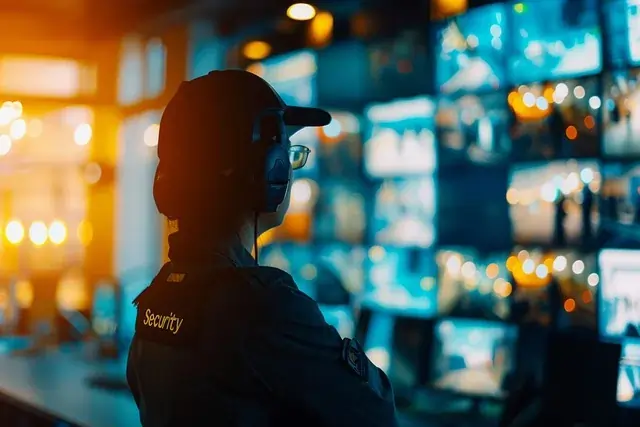
The Case for Remote Guarding
Remote guarding leverages advanced technology to provide a more efficient and cost-effective security solution. By utilizing AI-powered cameras, motion sensors, and centralized monitoring, remote guarding addresses many of the hidden costs and inefficiencies of on-site security.
Cost-Effectiveness
Remote guarding eliminates the need for continuous staffing, reducing labor costs significantly. A centralized security operations center (SOC) can monitor multiple sites simultaneously, providing 24/7 coverage without the need for multiple shifts or extensive personnel.
How Remote Guarding Reduces Costs
Remote guarding lowers expenses in several key ways:
- Eliminates the need for 24/7 on-site staffing
- Reduces the number of security guards required
- Cuts overtime and shift-related costs
- Lowers recruitment and training expenses
- Improves efficiency across multiple sites
As a result, businesses save money while maintaining strong protection.
Role of a Security Operations Center (SOC)
A Security Operations Center (SOC) acts as the control hub for remote security.
From one location, security teams can:
- Monitor multiple sites at the same time
- Watch live video feeds 24/7
- Detect suspicious activity early
- Respond quickly to incidents
- Coordinate alerts and reporting
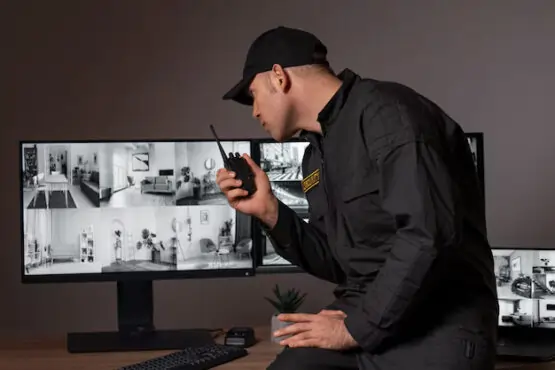
A Security Operations Center (SOC) serves as the central hub for remote guarding systems. From a single location, trained security professionals can monitor multiple sites simultaneously through live video feeds and intelligent surveillance tools. The SOC enables early detection of suspicious activity, rapid incident response, and coordinated alert management. It also supports structured reporting and communication, ensuring that security events are properly documented and escalated when necessary. In effect, one SOC team can oversee and manage what would traditionally require numerous on-site security shifts across different locations.
Therefore, one SOC team can replace many on-site shifts.
Why This Approach Is More Efficient
Unlike traditional security models that depend on dedicated guards for each site, remote guarding leverages technology to centralize monitoring and reduce redundancy. Advanced surveillance systems and analytics improve detection accuracy and enable faster response times to potential threats. This reduces security gaps caused by human limitations such as fatigue or delayed reporting. Overall, the integration of centralized monitoring with intelligent tools makes remote guarding a more scalable, cost-effective, and efficient approach to modern security management.
Traditional security requires separate guards for each location. However, remote guarding uses technology to reduce that need.
In addition, advanced monitoring tools improve accuracy and response time. This leads to faster action and fewer security gaps.
Enhanced Surveillance
Advanced technology such as high-definition cameras, motion sensors, and video analytics allows for comprehensive monitoring of large areas with minimal blind spots. These systems can detect anomalies and alert security personnel in real-time, ensuring a rapid response to potential threats.
Enhanced Surveillance with Modern Security Technology
Advanced surveillance technology improves how businesses monitor large areas. Therefore, it increases safety while reducing manual effort.
Today, systems use smart tools like cameras and sensors. In addition, they help detect threats faster and more accurately.
Key Technologies in Enhanced Surveillance
Modern security systems use several advanced tools:
- High-definition (HD) security cameras
- Motion detection sensors
- Video analytics software
- Real-time alert systems
- Wide-area monitoring networks
As a result, security teams get clearer and more complete visibility.
How These Systems Improve Monitoring
These technologies work together to cover large spaces efficiently. For example, HD cameras capture detailed footage even in low light.
In addition, motion sensors detect unusual movement quickly. Video analytics then helps identify suspicious behavior.
Therefore, security teams can monitor areas with fewer blind spots.
Why Enhanced Surveillance Matters
Traditional security often relies on human observation alone, which can lead to missed details and inconsistencies over time. Even with an on-site guard, fatigue and human error can reduce effectiveness. This is why integrating advanced solutions like remote guarding with smart surveillance cameras is essential. These systems enhance accuracy, provide continuous monitoring, and significantly reduce the risk of overlooked threats. By combining human presence with intelligent technology, businesses can achieve a more reliable and proactive security approach. Learn more about why this matters here: Why You Need Remote Guarding with On-Site Guards
Scalability
Remote guarding solutions are highly scalable, allowing businesses to adjust their security measures according to changing needs or budgets. Adding new cameras or sensors is straightforward, and the system can be easily expanded to cover additional propertiesHow Remote Guarding Scales Easily
Remote security systems are built for easy expansion. For example, businesses can add new devices without major upgrades.
Key scaling benefits include:
- Easy addition of new cameras
- Simple integration of motion sensors
- Quick expansion to new locations
- Flexible system upgrades
- Minimal disruption during changes
As a result, companies can expand security step by step.
Reduced Liability
By minimizing the need for on-site personnel, remote guarding reduces the liability associated with physical security incidents. Remote monitoring decreases the risk of injuries, workers’ compensation claims, and allegations of misconduct, leading to lower insurance premiums (BOS Security). Impact on Insurance and CostsLower security risk can translate into meaningful financial advantages for businesses. Insurance providers may offer reduced premiums when a site demonstrates improved surveillance, faster incident response, and a lower likelihood of theft or damage. Over time, fewer security-related incidents also lead to fewer insurance claims, helping organizations reduce long-term operational expenses and maintain more predictable cost structures. In this way, remote guarding supports stronger financial control alongside improved protection.
Why Remote Monitoring Is Safer
Remote monitoring enhances safety by reducing the need for on-site security personnel to directly confront potentially dangerous situations. Unlike traditional setups where guards may be exposed during incidents, remote guarding allows trained operators to assess events in real time from a secure location. They can then provide guidance, trigger alarms, or coordinate with local authorities when necessary.
This separation between monitoring and physical intervention helps minimize risk to personnel while ensuring that threats are still addressed quickly and effectively. As a result, businesses can maintain strong security coverage while also reducing exposure to physical harm and potential legal liabilities.
Improved Response Times
With remote guarding, security personnel can monitor live video feeds and respond to incidents in real-time. This centralized approach enables faster decision-making and coordination with local authorities, enhancing overall response times.How Remote Monitoring Speeds Up Response
Security teams watch live feeds from a central location. In addition, they can detect issues as they happen.
Key factors that improve response speed include:
- Live video monitoring in real time
- Immediate alerts for suspicious activity
- Centralized security decision-making
- Quick communication with local authorities
- Continuous 24/7 surveillance coverage
Therefore, teams can respond without delay.
Faster Decision-Making Process
Traditional security systems often rely on on-site personnel to assess situations before taking action, which can introduce delays. In contrast, remote guarding eliminates much of this lag by enabling trained operators to evaluate incidents instantly through live monitoring systems.
These operators can quickly determine the severity of a situation and decide on the most appropriate response without waiting for physical presence or escalation on-site. They can also guide on-ground teams in real time or immediately alert emergency services when required, ensuring faster and more coordinated action.
Better Coordination with Authorities
Remote guarding improves communication between security teams and external responders. Operators can share real-time video footage, alerts, and contextual information directly with police or emergency services, helping them understand the situation more clearly before arriving at the scene.
This enhanced flow of information allows authorities to respond more efficiently and take appropriate action upon arrival, reducing confusion and improving overall incident handling.
Why Speed Matters in Security
Speed is a critical factor in effective security management. Rapid detection and response can prevent minor incidents from escalating into serious threats. The quicker a situation is assessed and addressed, the lower the risk of property damage, financial loss, or harm to individuals. In this way, faster decision-making significantly strengthens overall security outcomes.
Advanced Analytics and Reporting
Remote security systems collect and analyze vast amounts of data, providing valuable insights into security incidents, patterns of activity, and areas of vulnerability. This data-driven approach allows for proactive decision-making and continuous improvement of security protocols.How Security Data Is Used
Modern systems track and process information from multiple sources. For example, they record video footage, motion events, and alerts.
Key data points include:
- Security incident reports
- Activity patterns over time
- High-risk time periods
- Vulnerable entry points
- System alert history
As a result, businesses gain a clear picture of security performance.
Turning Data into Actionable Insights
Raw data alone is not enough. However, analytics tools convert it into useful insights.
Security teams can then:
- Identify repeated threats
- Detect unusual behavior patterns
- Improve patrol or monitoring focus
- Strengthen weak security areas
- Adjust response strategies
Therefore, decisions become more accurate and effective.

Conclusion
While traditional on-site security has its merits, the hidden costs and limitations associated with this approach can be significant. Remote guarding offers a modern, efficient, and cost-effective alternative that addresses these challenges. By leveraging advanced technology, remote guarding provides enhanced surveillance, scalability, and improved response times, all while reducing liability and overall costs. As businesses and residential properties continue to prioritize security, the case for remote guarding becomes increasingly compelling.
FAQs
These FAQs highlight that OHZ Auto Service Security Solutions deliver a highly optimized, AI-driven smart parking ecosystem focused on accuracy, automation, revenue optimization, and security. However, several performance and ROI estimates may be optimistic and will depend on real-world deployment conditions, infrastructure quality, and system integration maturity.
What is the true annual cost of 3 security guards working 24/7?
The total cost is around $429K annually, including salaries plus an estimated 47% in hidden expenses like turnover, liability, training, and administrative overhead.
What is the average security guard turnover rate?
Industry turnover averages about 45% per year, which adds roughly $52.8K in replacement and retraining costs for a 3-guard setup.
What is the workers’ compensation cost for security guards?
Workers’ comp can reach around $95K annually for 3 guards, covering risks like injuries from slips, assaults, and vehicle-related incidents.
What is the administrative burden of managing security guards?
Managing schedules, payroll, compliance, and disciplinary processes also creates significant indirect management costs. On average, these administrative responsibilities can add approximately $67,000 per year in overhead expenses.
How do insurance premiums differ between guards and remote security?
Traditional guards typically reduce premiums by 15–25%, while remote security can deliver 45–55% reductions, resulting in up to $95K savings annually.
How many blind spots do guards typically create?
On average, traditional security guards may miss a significant portion of potential coverage areas—estimated at around 65%—due to the limitations of fixed patrol routes and restricted visibility across large or complex properties. This creates blind spots that can reduce overall situational awareness and leave certain areas less monitored, especially during gaps between patrols or in low-traffic zones.
How does night shift performance compare to AI monitoring?
Night shifts often see a 42% drop in human alertness due to fatigue, while AI systems maintain up to 97% consistent detection accuracy.
What is the cost of multi-site guard coordination?
Managing guards across 10 sites can cost up to $6.39M, while remote monitoring systems reduce this to about $380K—nearly 94% savings.
What are guard equipment and uniform replacement costs?
Annual equipment costs for a security setup can add up significantly over time. On average, expenses for essential gear such as radios, flashlights, body armor, and uniforms can reach around $12,000 per year for a 3-guard team.
What legal liabilities come with security guards?
Companies may face around $22K annually in insurance adjustments plus potential legal exposure from incidents involving guards and the public.

Security content creator with OHZ Remote Guarding, focusing on advanced asset protection strategies during extended business closures and seasonal risks.