Beyond the Hype: How AI Verification Actually Works to Eliminate 95% of False Alarms.
It’s 3 AM. The phone rings. It’s your alarm company, reporting motion detected at your property. You rush to the site, or send a team member, only to find the culprit: a raccoon, or perhaps a plastic bag blowing in the wind.
This isn’t just frustrating; it’s a failure of technology. Traditional security systems operate on a simple, outdated principle: if it moves, it’s a threat. This approach is precisely why businesses are plagued by false alarms.
However, modern proactive security has solved this problem. The solution isn’t more sensitive sensors; it’s more intelligence. This article breaks down the buzzword and explains how AI security verification works in the real world to bring clarity and confidence back to your security.
The Flaw of Traditional Systems: Motion vs. Intent
The core problem with old security technology is its inability to understand context. A basic motion detector is like a digital tripwire; it can’t tell the difference between a falling branch and a person with a crowbar. Consequently, it treats both events as equal threats, flooding your team with meaningless alerts. This isn’t just inefficient; as we discussed in our article on the hidden costs of security, it’s expensive.
The AI Verification Process: A Step-by-Step Breakdown
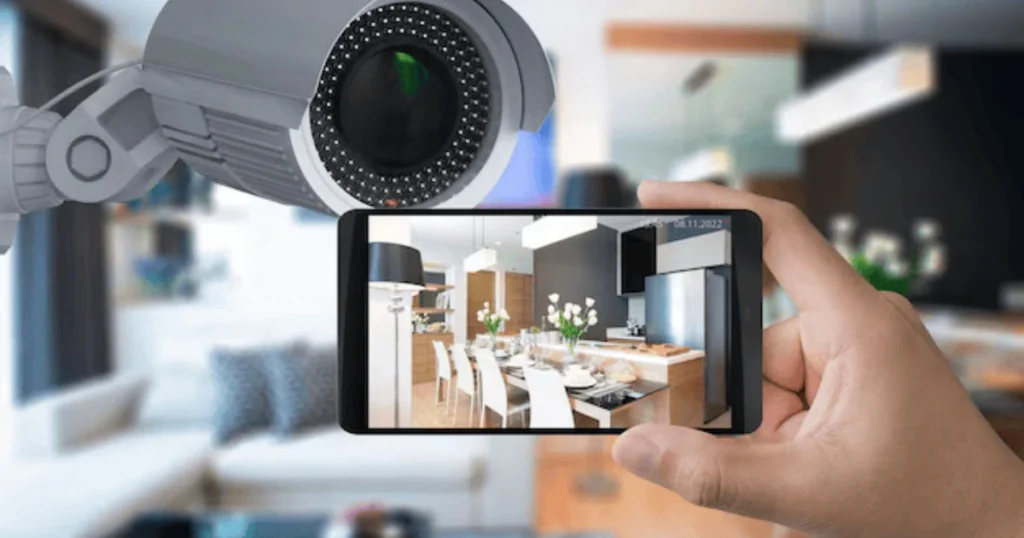
AI security verification transforms your cameras from simple recording devices into smart, analytical tools. Think of it like a sophisticated spam filter for your security feed. Here’s how it works in three simple steps.
Step 1: Detection – Differentiating Objects
First, the AI doesn’t just see “motion”; it uses a technology called computer vision to identify what is moving. The system is trained on millions of images to instantly classify objects into categories: person, vehicle, animal, or other.
In other words, instead of just sending an alert for “movement,” the system can specify, “a human-shaped object has been detected.” This initial step alone filters out a massive volume of non-threatening activity. For those interested in the underlying technology, publications like IEEE Spectrum offer deep dives into how this works.
Step 2: Analysis – Applying Rules and Context
Next, after identifying an object, the AI applies a set of rules and contextual logic that you define for your property. It asks a series of questions in a split second:
- Is the object a person? (Yes)
- Is this person in a restricted area? (Yes, the back lot)
- Are they present after business hours? (Yes, it’s 3:15 AM)
- Is their behavior suspicious (e.g., loitering near a door, carrying tools)? (Yes)
Only when the situation meets these pre-defined criteria does the AI flag it as a credible, high-probability threat.
Step 3: Verification – The Critical Human-in-the-Loop
This final step is what makes the system truly reliable. The AI doesn’t automatically dispatch police; instead, it forwards the verified alert—along with live video footage—to a trained human operator at OHZ.
Applying the Cloud Security Alliance human-in-the-loop oversight framework, Our expert agent then makes the final determination and takes immediate action: engaging the intruder with a live voice-down, dispatching law enforcement with verified information, or dismissing the rare, sophisticated false positive. This human-in-the-loop approach combines the speed and analytical power of AI with the judgment and experience of a real security professional.
The Result: What Eliminating False Alarms Means for You
Moving to a system with AI security verification has immediate, tangible benefits:
- You save money on false alarm fees and wasted staff time.
- Your team can focus on real business operations, not chasing shadows.
- You gain confidence that when an alert does come through, it demands serious, immediate attention.
AI is Not Magic—It’s Just Smarter Security
AI isn’t a buzzword to us; it’s a practical tool that solves one of the oldest and most expensive problems in the security industry. By intelligently filtering out the noise, it allows our experts to focus on what matters most: proactively protecting your property.
Stop reacting to noise and start preventing real threats. See how OHZ’s AI-powered remote guarding can bring clarity and confidence to your security.

Security content creator with OHZ Remote Guarding, focusing on advanced asset protection strategies during extended business closures and seasonal risks.