Industrial Surveillance Systems for Factories and Plants
Industrial centers such as factories, warehouses, and manufacturing plants require strong security to protect valuable equipment, inventory, and operational infrastructure. Industrial surveillance systems help businesses monitor large facilities and detect threats at an early stage. These systems also help prevent theft, improve safety, and reduce operational disruptions.
Unlike traditional CCTV setups, modern industrial surveillance systems combine high-resolution cameras, AI analytics, and remote monitoring tools. These technologies allow security teams to view activities in real time and respond quickly to potential risks across the facility.
This guide explains how industrial surveillance systems work in factories and manufacturing plants. It also highlights the key features businesses should consider and how companies can choose the right monitoring solution for their security needs.
Why Factories Need Advanced Surveillance Systems
Factories operate in large environments with multiple entry points, storage areas, and production zones. Without proper monitoring, these facilities may face risks such as theft, vandalism, or unauthorized access. Industrial surveillance systems help factories monitor activities across the entire facility and maintain a secure working environment.
Modern industrial surveillance systems allow businesses to improve security and operational visibility. These systems help organizations detect potential threats early and respond quickly to incidents.
Advanced surveillance solutions help factories:
Prevent equipment theft and inventory loss
Monitor employee safety and operational processes
Detect suspicious activity in real time
Improve incident response and investigations
By implementing industrial surveillance systems, companies can strengthen security while maintaining smooth and efficient operations.
Types of Industrial Surveillance Systems
Industrial facilities require specialized camera technologies that can monitor large spaces, operate in harsh environments, and capture clear footage at all times. Modern industrial surveillance systems use advanced cameras and monitoring tools to maintain security across factories, warehouses, and production areas.
IP Cameras and 4K High-Resolution Systems
IP cameras are widely used in industrial surveillance systems because they deliver high-quality video and can easily integrate with digital monitoring platforms. These cameras transmit footage through network connections, allowing security teams to monitor facilities remotely.
Many factories use 4K high-resolution cameras to capture detailed images across large areas such as production floors, storage zones, and loading docks.
Key benefits include:
High image clarity for investigations
Digital zoom capabilities for detailed monitoring
Remote access through network connections
These cameras help security teams identify incidents quickly and maintain clear records of activity within the facility.
Thermal and Night-Vision Cameras for 24/7 Monitoring
Factories often operate around the clock, so surveillance systems must perform well in low-light or dark environments. Thermal and night-vision cameras allow industrial surveillance systems to maintain visibility even when lighting conditions are poor.
These cameras are especially useful for:
Perimeter security monitoring
Outdoor facility surveillance
Detecting intruders at night
By using thermal and night-vision technology, factories can ensure continuous monitoring without relying only on external lighting.
PTZ Cameras for Large Production Floors
Pan-Tilt-Zoom (PTZ) cameras are commonly used in factories with large production areas. These cameras provide flexible monitoring by allowing operators to control camera movement remotely.
PTZ cameras allow security teams to:
Pan the camera horizontally and vertically
Zoom in on specific locations
Monitor large areas from a single device
This flexibility makes PTZ cameras ideal for observing large manufacturing floors, warehouses, and industrial workspaces.
Factory CCTV Monitoring Features That Matter
Choosing the right monitoring solution involves more than simply installing cameras. Businesses must consider features that improve security performance, increase visibility, and help detect risks quickly. Modern industrial surveillance systems include advanced tools that help factories monitor operations efficiently and respond to potential threats in real time.
AI Motion Detection and Analytics
Modern industrial surveillance systems often include AI-powered analytics that automatically detect unusual behavior. These smart technologies analyze video footage and send alerts when suspicious activity is identified.
AI monitoring systems can detect:
Unauthorized access to restricted areas
Suspicious movement around equipment or storage zones
Perimeter breaches around factory facilities
AI analytics reduce false alarms and help security teams respond quickly to real threats.
Cloud vs On-Premise Storage Options
Video footage must be stored securely so it can be reviewed later for investigations or compliance. Many factories choose between cloud storage and on-premise storage depending on their security needs.
Cloud storage benefits:
Remote access to recorded footage
Scalable storage capacity
Automatic backups and updates
On-premise storage benefits:
Local control of video data
Faster access speeds within the facility
Strong internal security policies
Many industrial surveillance systems use a hybrid approach that combines both cloud and on-site storage for maximum flexibility and security.
Remote Access from Mobile Devices
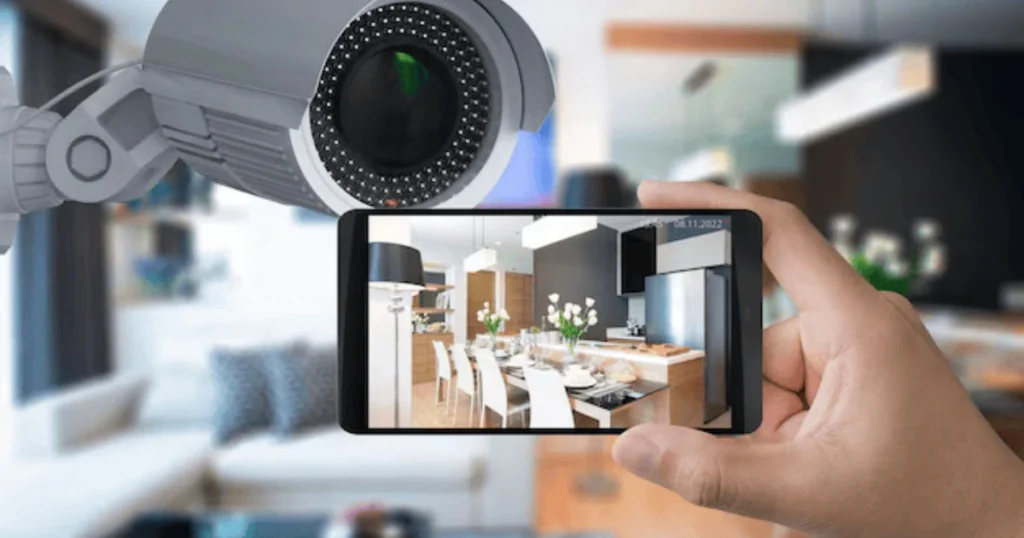
Modern surveillance platforms allow security teams and managers to monitor facilities from anywhere using smartphones or tablets. This feature makes industrial surveillance systems more flexible and responsive.
Remote access allows managers to:
View live camera feeds
Receive real-time security alerts
Review recorded video footage
This capability improves situational awareness and helps teams respond quickly to potential security incidents.
Key Components of Industrial Monitoring Systems
A complete monitoring setup includes several technologies working together to provide reliable security and facility oversight. Modern industrial surveillance systems combine cameras, recording devices, and software platforms to monitor factory environments efficiently.
Network Video Recorders (NVRs)
Network Video Recorders (NVRs) are responsible for collecting and storing video footage from IP cameras. They play a central role in industrial surveillance systems by ensuring that video data is recorded and available for later review.
NVR systems provide:
Centralized video storage
Easy playback of recorded footage
Integration with security and monitoring software
These devices act as the main recording hub in many modern factory surveillance installations.
Video Management Software (VMS)
Video Management Software (VMS) helps security teams control and monitor surveillance systems from a single interface. This software allows operators to manage multiple cameras and review footage quickly.
VMS platforms allow users to:
Manage and control multiple cameras
Review live or recorded video footage
Receive real-time security alerts
Advanced VMS solutions also support AI analytics, automation tools, and smart monitoring features that improve the overall performance of industrial surveillance systems. Following established industry frameworks such as The Monitoring Association (TMA) Industry Standards enables facility managers to align their VMS operation with standardized procedures for automated alarm verification, rapid threat response, and centralized operational monitoring.
Industrial Surveillance System Costs and ROI
Investing in industrial surveillance systems requires careful planning. While cameras and recording equipment involve an upfront cost, the long-term value comes from improved monitoring, better threat detection, and reduced operational risks. For factories and warehouses, the return on investment often comes from preventing theft, improving safety, and strengthening security oversight.
However, installing cameras is only one part of an effective security strategy. Businesses also need reliable monitoring and incident response. This is where professional monitoring providers like OHZ Security play an important role by helping organizations manage and oversee their existing surveillance infrastructure.
Monitoring Services and Operational Efficiency
Many factories already have cameras installed but lack the resources to monitor them continuously. Professional monitoring services help businesses get more value from their industrial surveillance systems by ensuring that surveillance footage is actively observed and analyzed.
Remote monitoring services can help businesses:
Detect suspicious activity in real time
Monitor facility operations during off-hours
Respond quickly to security alerts
Improve incident reporting and investigations
By using professional monitoring support, organizations can turn passive surveillance systems into active security tools.
Reducing Losses and Security Risks
One of the biggest advantages of industrial surveillance systems is their ability to reduce financial losses. Theft, vandalism, and unauthorized access can cause serious damage to industrial operations. Continuous monitoring allows security teams to detect unusual activity early and respond before the situation escalates.
Security monitoring providers such as OHZ Security help businesses strengthen surveillance coverage by watching live feeds and identifying potential threats that automated systems may miss.
Long-Term Return on Investment
The ROI of industrial surveillance systems is not only measured in financial savings but also in operational reliability. When surveillance footage is actively monitored, companies gain better visibility into facility activity and potential risks.
Benefits include:
Faster response to security incidents
Improved workplace safety monitoring
Better documentation for investigations
Reduced operational disruptions
With the support of professional monitoring services, factories can maximize the effectiveness of their existing surveillance systems without needing to manage every aspect internally.
Maximizing the Value of Existing Surveillance Systems
Many businesses already have camera infrastructure installed but may not be using it to its full potential. By combining surveillance technology with professional monitoring support from providers like OHZ Security, organizations can enhance security coverage without major infrastructure changes.
This approach allows companies to focus on operations while trained security professionals oversee monitoring and incident detection.
Monitoring Best Practices for Industrial Facilities
Proper surveillance planning is essential to ensure industrial surveillance systems provide reliable monitoring across factories, warehouses, and manufacturing plants. While cameras may already be installed in many facilities, effective monitoring and security oversight are necessary to ensure these systems deliver real value.
Industrial facilities often include large production zones, storage areas, and multiple access points. By following monitoring best practices, businesses can improve visibility and reduce security risks across their operations.
Perimeter Monitoring for Warehouses and Plants
Perimeter monitoring is one of the most important aspects of industrial security. Factory facilities must ensure that entry points, fences, and surrounding areas are continuously monitored to prevent unauthorized access.
Effective perimeter monitoring typically focuses on:
Facility entrances and exit points
Parking areas and employee access zones
Loading docks and shipping areas
Outer fencing and boundary gates
When these areas are properly monitored, potential threats can be detected before they reach critical operational zones. Remote monitoring services provided by companies such as OHZ Security help businesses maintain continuous oversight of these high-risk areas.
Monitoring Production Lines for Safety and Efficiency
Surveillance systems are not only used for security. Many factories also use industrial surveillance systems to observe production environments and maintain workplace safety.
Video monitoring can help supervisors and security teams:
Observe production lines and workflows
Identify equipment malfunctions or safety hazards
Review incidents that occur during operations
When surveillance footage is actively monitored, organizations gain better visibility into both security risks and operational challenges. This allows managers to respond quickly and maintain safer working conditions.
Enhancing Operational Awareness
Continuous monitoring improves situational awareness throughout the facility. Security teams can detect unusual behavior, safety violations, or operational disruptions early.
With professional monitoring support from providers like OHZ Security, factories can ensure their industrial surveillance systems are actively monitored around the clock. This approach helps organizations strengthen security while maintaining efficient operations.
2026 Trends in Factory Surveillance Technology
Industrial security technology continues to evolve as factories adopt smarter tools to monitor operations and detect risks earlier. Modern industrial surveillance systems now combine high-resolution cameras, intelligent analytics, and remote monitoring platforms to provide better visibility across manufacturing facilities.
These innovations allow factories to move beyond simple video recording and toward systems that actively analyze activity and identify potential threats. As a result, organizations can respond faster to security incidents and maintain safer industrial environments.
AI Analytics and Predictive Threat Detection
Artificial intelligence is becoming one of the most important advancements in industrial surveillance systems. AI-powered analytics can analyze video feeds, detect unusual behavior, and alert security teams when something appears suspicious.
Instead of relying only on manual monitoring, AI tools help identify patterns that may indicate potential risks. For example, the system may detect unusual movement around restricted areas, repeated access attempts, or unexpected activity during off-hours.
Key improvements in modern surveillance technology include:
Automated threat detection from live video feeds
Real-time alerts for suspicious activity
Predictive risk analysis based on behavioral patterns
These technologies allow factories to shift from reactive security responding after an incident occurs to proactive security, where threats can be identified and addressed earlier.
Remote monitoring providers such as OHZ Security can further strengthen these systems by reviewing alerts and monitoring camera feeds to ensure rapid response when potential risks appear.
Choosing the Right Surveillance Solution for Your Facility
Selecting the right industrial surveillance systems requires careful evaluation of the facility’s operational and security needs. Every factory or industrial plant has unique risks depending on its size, layout, and production processes.
Important factors to consider include:
Facility size and physical layout
Security risks and vulnerable areas
Monitoring requirements and operating hours
Budget and long-term security goals
In many cases, businesses benefit from a professional security assessment to determine how their existing surveillance systems can be monitored and optimized effectively.
Building a Layered Industrial Security Strategy
Modern factories often combine industrial surveillance systems with broader security strategies to create multiple layers of protection. This approach may include video monitoring, access control systems, alarm technologies, and professional monitoring services.
By integrating these security tools, organizations can achieve stronger protection across their entire facility. Monitoring providers like OHZ Security help businesses maintain continuous oversight of their surveillance systems, ensuring that potential threats are identified and addressed quickly.
As surveillance technology continues to evolve, factories that invest in intelligent monitoring solutions will be better prepared to protect their operations, employees, and valuable industrial assets.
FAQs
Find quick answers to common questions about industrial surveillance systems, including factory CCTV monitoring technologies, camera types, storage options, and how modern monitoring systems protect industrial facilities.
What are industrial surveillance systems?
Industrial surveillance systems are security monitoring solutions designed to protect factories, warehouses, and manufacturing plants using cameras, recording devices, and monitoring software.
Why do factories need CCTV monitoring systems?
Factories use CCTV monitoring to prevent theft, monitor employee safety, and maintain visibility across large industrial environments.
What cameras are best for industrial surveillance?
IP cameras, thermal cameras, and PTZ cameras are commonly used in industrial environments because they provide wide coverage and clear video footage.
Can factory surveillance systems use AI technology?
Yes. Many modern industrial monitoring systems include AI analytics that detect suspicious behavior and send alerts to security teams.
What is the difference between NVR and DVR systems?
NVR systems work with IP cameras and record digital video streams, while DVR systems typically work with analog cameras.
Can businesses monitor factories remotely?
Yes. Many industrial surveillance systems allow remote access through mobile devices or web platforms, enabling managers to monitor facilities from anywhere.
How long should surveillance footage be stored?
Most industrial facilities store video footage for 30 to 90 days depending on security policies and compliance requirements.

Security content creator with OHZ Remote Guarding, focusing on advanced asset protection strategies during extended business closures and seasonal risks.