Construction sites today face increasing risks from theft and vandalism to operational inefficiencies. To address these challenges, many contractors are adopting remote construction site monitoring as a smarter and more cost effective security solution.
Unlike traditional methods, remote jobsite monitoring uses AI powered cameras, real time alerts, and live monitoring agents to protect sites 24/7. This modern approach not only improves security but also helps manage construction projects more efficiently.
With technologies like AI construction monitoring and remote CCTV jobsite systems, contractors can monitor multiple locations, reduce losses, and maintain full visibility without relying solely on on-site guards.
What Is Remote Jobsite Monitoring?
The concept of remote jobsite monitoring is a security system whereby the construction sites are monitored remotely. This system uses cameras and monitoring professionals to monitor the sites.
Instead of deploying security guards at all the sites, this system employs the following:
HD Cameras
AI-based Motion Detection
Remote Monitoring Centers
Alerts and Notifications
All the movements at the site are monitored and observed. If anything suspicious is observed, the situation is checked and addressed. This way, the sites are monitored round the clock, including nights, weekends, and holidays.
Why Construction Needs Remote Surveillance
Construction sites are usually open spaces with costly equipment. This makes them easy targets for thieves and vandalism, especially at night. It is very difficult to keep an eye on all the equipment at a construction site. This means that most of the risks go unnoticed until it is too late.
Equipment Theft and Losses
The theft of construction equipment results in huge financial losses. Equipment like excavators, copper wiring, tools, and fuel is commonly stolen since it is easy to steal and sell. The theft of construction equipment is common at night or on weekends when there is no one at the construction site.
Without a monitoring system, the equipment is not protected. For instance, the theft of a piece of equipment may cause huge financial losses since it may cause delays in the construction project. The monitoring system will help in the reduction of these risks since any intruder will be detected immediately.
Multi-Site Management Challenges
There is always a challenge in managing multiple construction sites, especially if the projects are big. There is limited visibility, delayed response, and high security costs, which can affect contractors. Also, visiting all sites is time-consuming, thus increasing operational costs.
This problem is overcome using remote monitoring, which is a centralized system. In this system, all sites can be viewed using a single system, thus facilitating real-time monitoring.
Lack of Real-Time Visibility
Another problem that is common is the lack of real-time visibility. This makes it hard to have information about what is happening at a particular place at a particular time.
However, remote surveillance systems provide real-time visibility through live feeds and instant alerts. This implies that one is always aware of what is happening, thus making it easier to address any problem that may come up. This is advantageous, especially in security and management of a particular place.
Safety and Compliance Risks
Construction sites are also exposed to safety risks, especially in cases where the workers are not monitored. Accidents, acts of unsafe behavior, and unauthorized entries may pose serious problems.
The proposed system will help in the maintenance of safety by monitoring the workers and identifying potential risks in a timely manner. It will also be useful for auditing and training purposes.
Key Benefits of Remote CCTV Monitoring
There are several benefits associated with the use of remote CCTV monitoring in the management of construction sites. One of the main advantages is the ability of the management team to respond quickly to potential security issues, sometimes in as little as a few seconds, thus preventing crimes such as theft from occurring in the first place. Secondly, the process helps in the efficient management of the sites, as there is less need for physical visits, thus saving time and consequently the cost of operation.
Thirdly, the use of remote CCTV monitoring in the management of construction sites helps in the effective management of the project, as the stakeholders are in a position to keep track of the progress of the project in real-time, thus facilitating effective communication, which is essential in the management of the project.
Faster Threat Response
It may take a conventional security officer a few minutes to react to an incident. However, a remotely operated CCTV monitoring system may react in a matter of seconds. This is very effective in preventing issues from becoming major problems.
Monitoring teams can:
This fast response is very effective in preventing crimes like theft, vandalism, and destruction of property. It is also effective in limiting losses and ensuring the site is secure at all times.
Reduced Site Visits
Project managers may spend a lot of time moving from one construction site to another. This may result in reduced productivity and increased costs of doing business.
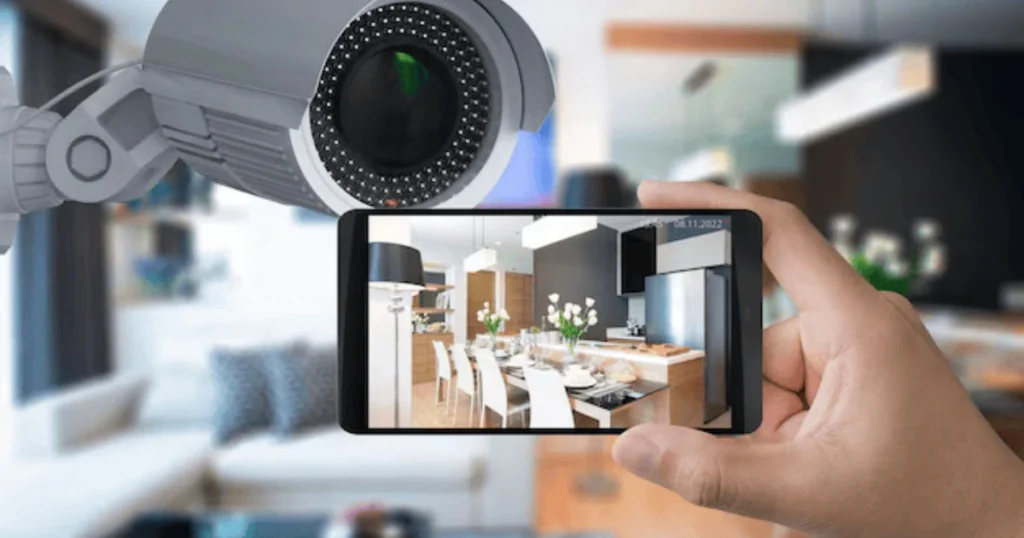
With the help of remote monitoring, the project manager will be able to monitor the construction sites through a live video feed from any location. This will be done through a mobile phone or computer.
This will result to:
Less time spent on traveling
Less fuel and transportation costs
More time saved
More productivity will be realized
In addition, the project team will be able to concentrate more on the project and not spend a lot of time moving from one site to another.
Real-Time Project Tracking
The remote monitoring system also offers improved project visibility. Managers and other stakeholders are thus able to track the progress of the project in real time. This way, they are also updated on the day-to-day activities taking place in the project. For instance, they are able to view the live footage and videos. They are also able to monitor the movement of the workers. This way, the project is completed in time. There is thus improved communication and reduced delays.
Improved Safety and Accountability
Another advantage of remote monitoring of CCTV is improved safety, especially in construction sites. Workers are likely to comply with safety regulations if they are aware that their activities are being monitored.
On the other hand, reviewing footage can help us identify possible dangers, thus creating a safe environment for all.
Better Control Across Multiple Sites
Managing multiple construction sites becomes easier with remote monitoring. All camera feeds can be viewed from a single dashboard.
Because of this, managers can monitor several locations at once without confusion. This improves control, reduces stress, and ensures consistent security across all sites.
How Remote Construction Monitoring Works

Modern remote monitoring systems combine advanced technology with human support to provide reliable and continuous protection. These systems do more than just record video they actively detect risks, send alerts, and help teams respond quickly. As a result, construction sites stay secure even during nights, weekends, and off-hours.
AI Detection and Human Verification
AI powered cameras continuously scan the site to detect unusual activity. This includes unauthorized entry, movement in restricted areas, or suspicious behavior.
Once an alert is triggered, it is sent instantly to a monitoring team. These trained professionals review the situation in real time and decide the next steps.
They can:
Confirm whether the alert is a real threat
Issue live voice warnings
Trigger alarms or lights
Contact local authorities if needed
This combination of AI and human verification reduces false alarms and ensures accurate response. It also helps stop incidents before they cause serious damage.
Mobile Access for Managers
Most remote monitoring systems offer mobile applications and/or web-based dashboards. These enable managers to have full control of their construction sites remotely.
Using a smartphone or laptop, managers can:
View the live feed of cameras at any given time
Receive instant notifications for suspicious activity
Monitor all sites with the help of a single platform
View the footage for review
As a result, managers do not need to visit sites frequently. They can stay updated and make decisions quickly, even when working remotely.
IoT Sensors and Durable Cameras
Modern systems also use IoT sensors as well as weather cameras to enhance their performance. At construction sites, there are harsh weather conditions such as dust, sun, rain, and low lighting.
To address this challenge, modern systems use:
Motion sensors to detect motion
Entry/exit sensors to monitor entry points
Environmental sensors to monitor environmental conditions
Weather cameras to monitor outdoor environments
Therefore, this system performs effectively in all weather conditions. It does so without any interruptions, regardless of whether it is operating in harsh weather.
Real-Time Alerts and Automated Actions
Another key feature is real-time alerts. When suspicious activity is detected, the system sends instant notifications via mobile apps, emails, or SMS.
In some cases, the system can also take automatic actions, such as:
Turning on lights in dark areas
Activating sirens to scare intruders
Recording and saving critical footage
This quick response helps prevent incidents before they escalate.
Centralized Monitoring Dashboard
All data from cameras and sensors is managed through a central dashboard. This dashboard provides a complete view of the construction site.
Managers can:
This centralized control improves efficiency and simplifies site management.
Remote vs On-Site Construction Security
Remote monitoring offers several advantages over traditional security methods. It uses advanced technology to provide faster response, wider coverage, and better control. In contrast, on-site guards rely on physical presence, which can limit visibility and delay response times.
For example, remote systems can monitor multiple locations at the same time, while a security guard can only cover one area. This makes remote monitoring a more scalable and cost-effective solution for growing construction projects.
In addition, remote monitoring works 24/7 without breaks or shift changes. This ensures continuous protection, especially during nights, weekends, and holidays when construction sites are most vulnerable.
Key Comparison
| Feature | Remote Monitoring | On-Site Security Guards |
|---|
| Response Time | Seconds (real-time alerts) | 10–15 minutes (manual response) |
| Coverage | Multiple sites from one system | Limited to one location |
| Cost | Lower long-term cost | High labor cost (salaries, shifts) |
| Monitoring | Continuous 24/7 | Depends on shifts and availability |
| Accuracy | AI + human verification | Depends on individual performance |
| Scalability | Easy to expand | Difficult and expensive to scale |
Why Remote Monitoring Is Better
Remote monitoring provides faster response times, lower operational costs, and better coverage across multiple sites. It also reduces human error by combining AI detection with professional monitoring teams.
As a result, construction companies can improve security while saving time and money. For modern construction projects, remote monitoring offers greater efficiency, flexibility, and scalability compared to traditional on-site security methods.
Cost Savings and ROI
Hiring full-time security guards can be expensive and difficult to manage. Costs include salaries, training, shift coverage, and supervision. In addition, guards can only monitor limited areas at a time.
In contrast, remote monitoring provides wider coverage at a lower cost. It uses cameras, sensors, and monitoring teams to protect multiple sites at once. This reduces the need for large security teams and lowers overall expenses.
Key Benefits
Remote monitoring helps businesses save money in several ways:
Lower labor costs: Fewer on-site guards are needed, reducing salary and management expenses
Reduced theft losses: Real-time alerts help prevent theft before it happens
Lower insurance premiums: Better security can lead to reduced insurance costs
Scalable security: Easily expand monitoring to multiple sites without high additional costs
Long-Term Value
Remote monitoring is not just a short-term solution. It provides long-term financial benefits by reducing risks and improving efficiency. For example, preventing even one major theft can save thousands in losses and project delays.
As a result, businesses get better protection while spending less over time. This makes remote monitoring a smart and cost-effective investment for modern construction projects.
Getting Started with Remote Monitoring
Setting up remote jobsite monitoring is simple and effective when done with the right approach. By following a clear process, construction companies can quickly improve site security and gain better control over daily operations.
Step-by-Step Process
1. Assess Site Security Risks
Start by identifying high-risk areas such as entry points, storage zones, and equipment areas. This helps you understand where monitoring is needed the most.
2. Install or Connect Cameras
Set up new cameras or connect your existing CCTV system to a remote monitoring platform. Make sure cameras cover all critical areas for full visibility.
3. Choose a Monitoring Provider
Select a reliable remote monitoring provider that offers 24/7 surveillance, real-time alerts, and professional support. This ensures your site is always protected.
4. Set Up Alert Zones and Notifications
Configure alert zones to detect movement in restricted areas. Set up notifications through mobile apps, email, or SMS so you can respond quickly.
5. Monitor Performance and Improve Setup
Regularly review system performance and camera coverage. Make adjustments as needed to improve security and reduce false alerts.
With the right setup, remote monitoring can be implemented quickly and with minimal disruption. As a result, construction companies can achieve strong site security, reduce risks, and improve overall efficiency in a short time.
Conclusion
Remote construction site monitoring is changing how jobsite security is managed. It provides faster response times, better visibility, and lower costs compared to traditional security methods. As a result, construction sites can stay protected at all times, even during off-hours.
By using AI-powered cameras, real-time alerts, and professional monitoring teams, contractors can quickly detect and respond to threats. This helps reduce theft, prevent damage, and improve overall site safety.
In addition, remote monitoring makes it easier to manage multiple sites and track project progress in real time. It also reduces the need for frequent site visits, saving both time and money.
As construction projects become larger and more complex, remote monitoring is no longer optional—it is essential. Companies that adopt this technology can improve security, increase efficiency, and stay ahead in a competitive industry.