How Employee Safety and Remote Guarding Go Hand-in-hand
Remote guarding has emerged as a pivotal solution for businesses aiming to ensure employee safety while optimizing operational efficiency. Unlike traditional on-site security guards, remote guarding leverages advanced technology such as video surveillance to monitor premises from a distance. This approach not only provides a comprehensive view of security but also offers several unseen benefits. This blog delves into the lesser-known advantages of remote guarding, backed by data, metrics, and expert opinions, highlighting why it is becoming an indispensable tool for modern businesses.
The safety of employees is now not only a regulatory obligation but has become a crucial concern for contemporary enterprises. Due to the expansion of office areas, extended working hours, and the introduction of hybrid work, conventional methods of safety provision often prove insufficient. Remote guarding can be considered a more effective and innovative method of ensuring employee safety that can overcome the mentioned difficulties.
The Rising Need for Enhanced Employee Safety
Employee safety has always been a priority for businesses, but the COVID-19 pandemic and subsequent shifts in work environments have heightened the focus on maintaining secure workplaces. As organizations adapt to hybrid work models and decentralized operations, the need for robust security measures that can protect employees, regardless of their location, has become more apparent.
According to a report published by the Occupational Safety and Health Administration (OSHA), more than 2 million people suffer from workplace violence annually. Such a staggering figure emphasizes the need for appropriate security measures to protect employees. While traditional security systems like hiring guards can prove to be quite limiting, particularly in larger organizations or companies operating across multiple locations, remote guarding security comes as an effective solution to mitigate this issue.

The Mechanics of Remote Guarding
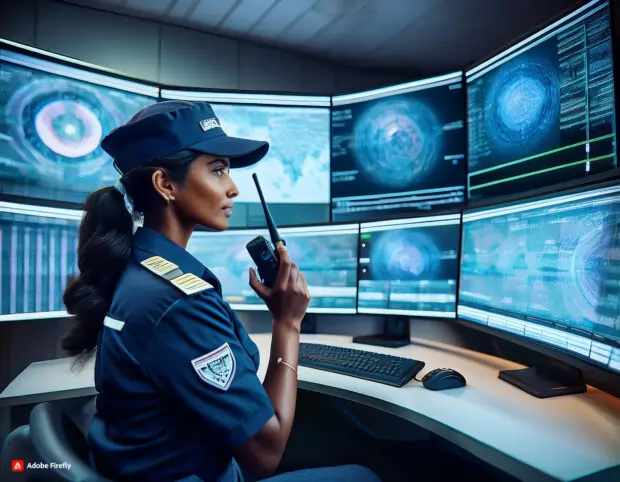
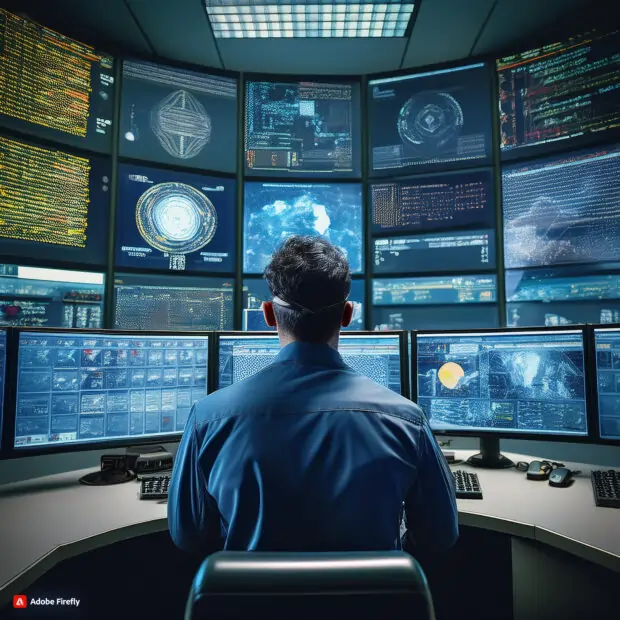
Remote guarding involves the use of strategically placed security cameras and sensors connected to a centralized monitoring system. This system is overseen by trained security professionals who can monitor multiple locations simultaneously, thanks to advancements in video analytics and artificial intelligence. Unlike static security guards, remote guarding provides continuous surveillance, ensuring that all areas of a property are covered without the need for physical presence.
As pointed out by Solink, one of the most significant strengths of this technology is that it provides surveillance of the whole property at once. The fact that this surveillance technology has been designed using this holistic approach makes it possible to detect the danger much faster than the traditional guards who could only operate in particular places.
Unseen Benefits of Remote Guarding for Employee Safety
1.Real-Time Incident Response
Remote guarding systems have with real-time video feeds and analytics that allow security personnel to detect and respond to incidents as they happen. This immediate action can be crucial in preventing harm to employees. For instance, if a suspicious individual is detected near an entrance, remote guards can issue warnings through loudspeakers or notify on-site personnel and local authorities, thereby averting potential dangers.
The remote guard solution involves live video streaming and analysis. Such capabilities are crucial in identifying any threats that arise.
Moreover, professional staff can intervene instantly. In this way, any incidents can be prevented from occurring further.
Such a swift reaction is vital for protecting the workforce. It allows minimizing hazards in essential cases.
How It Works
- Live video surveillance identifies any suspicious behavior
- Security professionals get immediate notifications
- On-site alarms go off when necessary
- Notifications are sent to both on-site personnel and relevant authorities
Scenario Example
- Suppose there is a suspicious individual who approaches the door.
- Guards can give warnings via the loudspeaker
- Security professionals can inform on-site staff promptly
- Contacting relevant authorities can be done when necessary
Consequently, any dangers are contained right away.
2.Deterrence of Workplace Violence
The presence of a robust remote monitoring system can act as a significant deterrent to workplace violence. Employees are less likely to encounter threats if potential aggressors know they are being monitored. Stealth Monitoring, a leader in remote surveillance, highlights that remote guarding can reduce security-related costs by up to 60% while still providing a visible and effective deterrent against violence and theft.
A reliable remote monitoring system can serve as a deterrent to workplace violence. This is because it dissuades potential perpetrators from committing such acts.
Moreover, individuals tend not to engage in aggressive behavior when they know that they are being monitored. Thus, monitoring systems contribute to a safe working environment.
Such a security feature is also beneficial in reducing incidents of theft and other risks. In turn, employees will feel secure while at work.
Main Advantages
- Deters workplace violence and other threats
- Minimizes cases of theft and other risky activities
- Ensures safety in the workplace
Ensures continuous security presence
Impact on Cost and Security
Industrial giants such as Stealth Monitoring have provided very convincing studies. The use of remote guarding can bring down costs related to security by as much as 60%.
Meanwhile, it serves as a deterrent to crime.
3.Improved Employee Well-Being
Knowing that their workplace is under constant surveillance can significantly improve employees’ sense of safety and well-being. This psychological benefit can lead to increased job satisfaction and productivity, as employees are less likely to feel anxious or threatened in a secure environment. Moreover, remote guarding can monitor for non-security-related incidents, such as medical emergencies, ensuring that help is dispatched immediately when needed.
Continuous surveillance inside the workplace can prove highly effective when it comes to creating a sense of safety and comfort among workers. It helps in reducing the stress levels in the workplace and improving the safety levels, which will eventually contribute towards higher productivity and job satisfaction among workers. Remote guarding does not only help in identifying any potential threat, but it also helps in identifying health-related emergencies.
4.Enhanced Access Control
Remote guarding can be integrated with access control systems to ensure that only authorized personnel enter specific areas. This is particularly important in industries where sensitive information or valuable assets are at risk. By monitoring entry points and using video verification, remote guards can prevent unauthorized access, thereby protecting both employees and company assets.
The importance of such measures can better be appreciated when we talk about areas where there are confidential or valuable resources that require highly secured areas. In such circumstances, the continuous surveillance of entrances and the use of video verification will enable remote guards to block any such illegal access.
5.Scalability and Flexibility
One of the most significant advantages of remote guarding is its scalability. As a business grows, its security needs can expand without the need for additional on-site guards. Remote guarding systems can easily be scaled to cover new locations or increased square footage, ensuring that all employees, regardless of their location, are equally protected. This flexibility also allows businesses to adapt their security measures as threats evolve.
One advantage associated with remote security is the simple scaling of the system as your company expands. As your company becomes larger, it becomes easier to increase your security levels without having to hire more physical security guards. It becomes easy to scale the system according to the number of facilities you wish to secure, regardless of where your employees may be based.
6.Cost Efficiency
While employee safety is paramount, businesses must also consider the cost implications of their security measures. Remote guarding offers a cost-effective alternative to traditional security guards. Solink notes that maintaining on-site security personnel requires multiple salaries to ensure 24/7 coverage, which can be financially burdensome for many organizations. In contrast, remote guarding can provide round-the-clock surveillance at a fraction of the cost, without compromising on security quality.
Remote guarding is perceived as a cost-effective measure compared to the use of on-site guards who work on location physically. In the words of Solink, the provision of such services through the employment of on-site guards may be expensive because there would be many people working in shifts. With remote guarding, you can access continuous surveillance services at a reduced cost.
7.Data-Driven Security Enhancements
Remote guarding systems collect vast amounts of data for analysis to improve security protocols continuously. By reviewing footage and incident reports, businesses can identify patterns or vulnerabilities in their security infrastructure. This data-driven approach allows for proactive adjustments, ensuring that employee safety measures are always up to date with the latest threats.
Remote security surveillance gathers significant amounts of security-related information, including video recordings and incident reporting. Besides that, companies use this information to enhance their security systems. Consequently, they can identify potential threats and correct any existing shortcomings promptly.
Such regular analysis allows them to become aware of any emerging problems. Thus, they can take preventive action in time.
How It Works
- Collects video footage and incident data
- Analyzes patterns in security events
- Identifies weak points in the system
- Updates protocols based on real insights
Why It Matters
This data-driven approach helps businesses stay prepared. It ensures security measures improve over time.In addition, it keeps employee safety aligned with new and emerging threats.
8.Compliance with Safety Regulations
Many industries are subject to stringent safety regulations that require regular monitoring and reporting. Remote guarding systems can assist businesses in meeting these compliance requirements by providing detailed records of surveillance activities and incidents. This not only ensures compliance but also helps in maintaining a safe work environment for employees.
Many industries have to adhere to certain stringent regulations on safety measures. Such regulations usually mandate monitoring and reporting. Additionally, there is always the need for remote guarding services. The services are known to facilitate recording of surveillance activities automatically.
As a result, companies can always maintain proper documentation. There will also be improved safety at the workplaces of employees.
Key Benefits
- Supports compliance with safety regulations
- Provides detailed surveillance and incident records
- Simplifies audit and inspection processes
- Improves overall workplace safety
9.Support for Remote and Hybrid Work Models
With the rise of remote and hybrid work models, ensuring the safety of employees who may not always be on-site has become a challenge. Remote guarding offers a solution by extending security measures beyond the physical office. Whether employees are working from home or in remote locations, they can be assured of their safety, knowing that their work environment is being monitored and protected.
Key Benefits
- Extends security beyond office buildings
- Supports safety for remote and hybrid workers
- Enables monitoring from multiple locations
- Adds an extra layer of employee protection
10.Integration with Other Security Systems
Remote guarding systems can be integrated with other security technologies, such as alarms, motion sensors, and emergency communication systems. This creates a much more comprehensive security network. This integration ensures that all aspects of employee safety are covered, from detecting potential threats to coordinating a swift response in the event of an emergency.
When a potential threat is detected, these integrated systems can automatically trigger alerts, activate alarms, and notify response teams instantly. This coordinated approach ensures faster action during emergencies and provides more complete coverage for employee safety across the entire environment.
How It Works
- Detects threats through integrated monitoring systems
- Triggers instant alerts and alarms automatically
- Notifies response teams in real time
- Coordinates fast emergency action
Key Benefits
- Faster response during emergencies
- Better coordination between teams
- Wider coverage for employee safety
- Reduced risk of escalation

Case Studies
Case Study 1 Retail Store Chain Reduces Workplace Incidents
A prominent retail chain in the United States implemented a remote guarding system across its multiple locations to enhance employee safety and reduce the risk of theft and violence. Prior to the implementation, the chain experienced frequent incidents of shoplifting and occasional altercations between customers and employees.
After installing remote guarding systems, the company reported a 30% reduction in workplace incidents within the first year. The remote guards were able to monitor the stores in real-time and alert on-site staff and law enforcement when necessary, preventing situations from escalating. The company’s management noted that employees felt safer knowing that they were being monitored and protected, which also led to increased job satisfaction and productivity.
The Challenge
Before implementation, the company faced:
- Frequent shoplifting incidents
- Occasional customer–employee altercations
- Limited visibility during peak and late-night hours
- Delayed response from traditional security methods
Visibility was also limited during busy peak hours and late-night shifts, making it harder to monitor activities effectively. In addition, traditional security methods often resulted in slow response times, which further increased risks. Together, these issues led to financial losses and raised concerns about employee safety.These gaps created both financial losses and employee safety concerns.
The Solution
The retailer deployed a remote guarding system that included:
- Real-time video monitoring across all stores
- AI-based threat detection for suspicious behavior
- Live remote guard intervention via two-way audio
- Immediate alerts to on-site staff and law enforcement
The retailer implemented a remote guarding solution designed to strengthen overall store security. The system provided real-time video monitoring across all locations, ensuring continuous visibility of activities. It also used AI-powered threat detection to identify suspicious behavior at an early stage. Through live remote guard intervention with two-way audio, security personnel could directly communicate and deter potential incidents. In addition, instant alerts were sent to on-site staff and law enforcement when needed. This approach shifted the focus from reacting to incidents after they occurred to actively preventing them in real time.This enabled proactive incident prevention instead of reactive response
The Results
- 30% reduction in workplace incidents
- Faster response to potential threats
- Fewer escalated confrontations
- Improved overall store security
The implementation led to significant improvements in store safety and operations. Workplace incidents decreased by 30%, reflecting stronger preventive control and early threat detection. The system also enabled faster responses to potential risks, helping address situations before they escalated. As a result, there were fewer serious confrontations, and overall store security was greatly enhanced, creating a safer environment for both employees and customers.
Employee Impact
Beyond security improvements, the system had a direct effect on workplace culture:
- Employees reported feeling safer during shifts
- Increased confidence in handling difficult situations
- Higher job satisfaction
- Improved productivity levels
Beyond the improvements in security, the system also positively influenced workplace culture and employee experience. Staff members felt significantly safer during their shifts, which helped reduce stress and anxiety on the job. With better support and real-time protection in place, employees gained more confidence when dealing with challenging situations. This sense of security contributed to higher job satisfaction and overall morale, while also leading to improved productivity. When employees feel safe and supported, they are naturally able to perform their roles more effectively.
When employees feel protected, they perform better

Case Study 2: Manufacturing Facility Enhances Safety with Remote Guarding
A large manufacturing facility in the Midwest faced challenges in ensuring the safety of its employees, particularly during late-night shifts. The facility was located in a remote area, making it difficult for security guards to respond quickly to incidents. In addition, the on-site security was not able to cover certain areas due to the complex layout of the facility.
To address these challenges, management at the institution chose to implement the system of remote guards. This process included the installation of HD cameras at certain points in the institution and monitoring of the area by security guards from a control center. Six months after implementation, the institution observed a 40 percent decrease in accidents.
One of the benefits that the management of the institution emphasized is that the remote guards could assist the employees with any problems. For instance, if there was an accident, the remote guards would inform the employee of what to do. Thus, the proactive approach adopted by the guards regarding employee safety was crucial in ensuring a safe working environment.
The Solution
The facility implemented a remote guarding system to improve safety. It included high-definition cameras placed across key areas.In addition, trained security professionals monitored the feeds from a centralized control room. This setup improved visibility and response time.
Key Improvements
Within six months, the facility saw strong results:
- 40% decrease in safety-related incidents
- Fewer near-miss events
- Reduced unauthorized access to restricted zones
As a result, overall workplace safety improved significantly.
Real-Time Support Benefits
The remote guards also gave direct assistance to the employees in emergencies, such as directing employees in emergency situations.
Moreover, the remote guards also warned the employees of any imminent danger. Consequently, the employees took immediate action to avert the risk.
The remote guarding services have been so successful that there have been more developments in terms of expanding the services of remote guarding to incorporate all aspects of safety and security.
The Psychological Impact of Remote Guarding on Employees
One of the lesser-discussed benefits of remote guarding is its positive impact on employees’ mental well-being. Knowing that their workplace is under constant surveillance can significantly reduce anxiety and stress.
A survey conducted by the American Psychological Association (APA) states that employees who feel safe at work are more likely to be engage with their jobs. It also stated that these employees have a better job satisfaction. It also revealed that workplaces with robust security measures like remote guarding had lower turnover rates. This correlation between safety and employee well-being underscores the importance of investing in advanced security solutions that prioritize employee protection.
The issue of safety at work influences significantly employee well-being, while the new security systems play a crucial part in providing such a feeling. Being informed that certain measures aimed at their safety are being taken is particularly important for the employees who know that any potential threat will be detected and handled immediately.
Such a feeling of safety creates an atmosphere that allows employees to concentrate on the performance of their duties rather than safety issues, which results in improved morale and better productivity.

Workplace Violence Statistics and Remote Impact
Workplace violence is still prevalent in many industries. It poses a threat to employees’ well-being and overall company operations.
Moreover, different industries are exposed to greater risks. The risk levels also rise at night.
Important Statistics
- More than 2 million employees impacted yearly
- Healthcare industry: 48% of overall attacks
- Retail industry: 24% of attacks (most vulnerable at night)
- Manufacturing industry: 18% of attacks (due to isolated workplaces)
- Office environments: 10% of attacks (when working outside regular business hours)
- Most at risk between 10 PM and 2 AM (73% of all attacks)
Impact of Remote Guarding Solutions
The use of remote guarding services greatly enhances workplace safety. Threats can be identified and resolved in time.
- Up to 65% decrease in workplace violence cases
- 92% of threats prevented before impacting employees
Therefore, employees are better protected against violent attacks.
Conclusion
As businesses continue to navigate the complexities of the modern work environment, ensuring employee safety remains a top priority. Remote guarding offers a versatile and effective solution that not only enhances security but also provides several unseen benefits. From real-time incident response to cost efficiency and scalability, remote guarding is proving to be an invaluable tool for businesses looking to protect their most important asset—their employees.
FAQs
These FAQs highlight that Employee safety is no longer optional—it’s essential for business success. Remote guarding offers a modern, data-driven approach that protects employees while improving operational efficiency.
How much does remote guarding reduce workplace violence?
Remote guarding can reduce workplace violence risks by up to 92% by using real-time detection, instant alerts, and rapid deterrence before situations escalate.
Does remote monitoring improve OSHA compliance?
Yes, it helps improve OSHA compliance by up to 67% by ensuring continuous monitoring, incident documentation, and quicker response to safety violations.
How does it impact employee morale?
It positively impacts employee morale by increasing the feeling of safety, reducing stress in high-risk environments, and creating a more secure work atmosphere.
Is it effective for night shifts?
Yes, it is highly effective for night shifts because AI systems operate 24/7 with consistent accuracy, unlike human guards who may experience fatigue.
Can it reduce workers’ compensation claims?
Yes, it can reduce workers’ compensation claims by up to 67% by preventing incidents and improving early intervention in unsafe situations.
Does it work across multiple locations?
Yes, remote guarding systems are designed for centralized control, allowing monitoring and management of multiple or unlimited locations from one platform.
How fast is emergency response?
Emergency response is typically triggered in under 30 seconds, enabling faster escalation to security teams or emergency services when needed.
Can it integrate with HR systems?
Yes, it can integrate with HR and safety management systems through APIs, allowing seamless sharing of incident and compliance data.
What about hybrid or remote employees?
It extends protection beyond offices to parking lots, entry points, and remote facilities, ensuring safety coverage for hybrid work environments.
Is employee privacy maintained?
Yes, employee privacy is maintained through strict compliance protocols, controlled access, and secure data handling standards.

Security content creator with OHZ Remote Guarding, focusing on advanced asset protection strategies during extended business closures and seasonal risks.