Auto dealership security is crucial in today’s high-risk environment, where threats are constantly evolving. From high-value assets stored in open parking lots to customers and staff moving in and out at all hours, dealerships remain highly vulnerable to theft, vandalism, and unauthorized access. This is why car dealership security systems have become a vital investment in 2026.
Car dealerships can no longer depend on basic security solutions such as standalone CCTV cameras to provide sufficient protection for vehicles, inventory, and employees. While surveillance still plays an important role, modern car dealership security systems now go far beyond traditional monitoring tools.
Today’s car dealership security systems integrate advanced surveillance technology, intrusion detection systems, smart access control systems, and real-time monitoring platforms. These layers work together to create a proactive security environment designed not just to record incidents, but to help prevent them before they occur. With improved analytics, automated alerts, and centralized control, dealership owners can respond faster and reduce risks more effectively.
Top Threats Facing Car Dealerships
A Modern Multi-Layered Approach
Car dealership security is no longer limited to basic cameras or alarm systems. Modern threats such as theft, vandalism, and unauthorized access require a complete, multi-layered security strategy. This is why dealerships are increasingly adopting advanced systems that combine surveillance, alarm detection, and real-time response technologies.
Traditional systems often operate in a reactive way, meaning they only record incidents after they occur. In today’s environment, this is no longer sufficient to prevent losses or protect high-value inventory.
Common Security Risks in Car Dealerships
Car dealerships face multiple security challenges across different areas of their operations. Without a robust car dealership security system, these risks can lead to significant financial and operational losses.
Overnight Lot Inventory Theft
One of the most common risks is overnight theft, which typically occurs when the dealership is closed and unmonitored.
Key risks include vehicle theft from parking lots, removal of valuable components such as catalytic converters, tires, and electronics, and unauthorized access to dealership premises. Dealership layouts often make them attractive targets if proper surveillance and monitoring are not in place.
Test Drive and Key Control Risks
Test drives are essential for sales but also introduce security vulnerabilities if not properly managed.
Risks include fake or unverified customer identities, delayed or non-returned vehicles, and misuse of vehicles through unauthorized routes. Strong key control and monitoring systems are essential to track vehicle movement and ensure accountability during test drives.
Service Department Tool Theft
Service areas often contain expensive tools, equipment, and spare parts, making them another high-risk zone.
Challenges include internal theft by employees or contractors, loss of untracked tools, and unauthorized access to restricted service areas. Implementing surveillance and access control systems in these zones helps reduce losses and improve operational security.
The Need for Comprehensive Security Solutions
From nighttime inventory theft to internal risks within service departments, car dealership security systems must address multiple layers of vulnerability. A complete solution combines surveillance, access control, and real-time monitoring to ensure full protection across all areas of the dealership.
Best Dealership Security Systems Comparison
CCTV Surveillance Systems
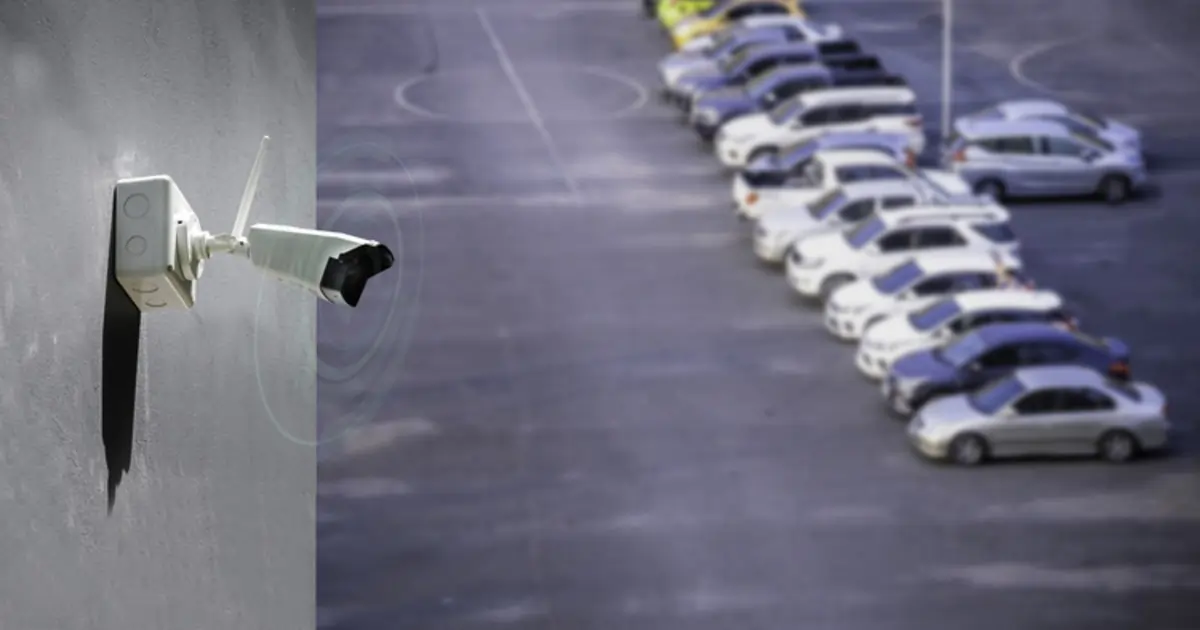
CCTV systems form the backbone of dealership security by providing continuous monitoring of key areas such as parking lots, showrooms, service zones, and entry points. Their visible presence also acts as a deterrent, reducing the likelihood of theft, vandalism, and unauthorized access.
Modern CCTV surveillance systems offer 24/7 recording and real-time visibility, allowing dealerships to track activities and review incidents whenever needed. They also support evidence collection, making investigations and insurance claims more efficient and reliable.
However, traditional CCTV systems are largely reactive in nature. They record events after they happen but do not actively prevent incidents in real time, which limits their effectiveness against fast-moving security threats.
Benefits of CCTV Systems
Ongoing recording for continuous safety monitoring
Easy evidence collection for investigations and insurance claims
Wide visibility across lots, showrooms, and entry points
Despite these advantages, CCTV alone cannot stop incidents as they occur, making it only one part of a complete security strategy.
Alarm Systems and Motion Sensors
Alarm systems and motion sensors add a proactive layer of protection by detecting unauthorized access instantly and triggering alerts in real time. These systems help dealerships respond faster to potential threats and reduce response delays.
When integrated with remote security monitoring services USA, alarms can immediately notify security teams upon detecting suspicious activity. Combined with CCTV monitoring in the USA, they improve situational awareness by pairing alerts with live video verification, enabling quicker and more accurate responses.
Key Advantages of Alarm Systems
Immediate detection of unauthorized intrusion
Instant alerts for door and window breaches
Direct connection to emergency response systems
Importance of Advanced Security in 2026
Car dealership security has become more critical than ever in 2026 due to evolving threats such as organized vehicle theft, parts theft, and after-hours break-ins. This is why auto dealership security is critical in 2026, especially as high-value inventory and open lot designs make dealerships frequent targets.
Even with fluctuations in crime rates, vehicle theft remains a significant concern, with incidents occurring frequently across the U.S. Dealerships often face additional challenges due to multiple access points and constant vehicle movement, making it difficult to maintain full visibility without advanced, proactive security systems.
Complete Car Dealer Security Layers
A complete car dealer security system includes multiple layers of protection to keep vehicles, staff, data, and money safe. It starts with perimeter security like fences, gates, and guards to control entry, followed by CCTV cameras and alarm systems that monitor key areas such as showrooms, service zones, and parking lots. Access control systems like biometric scanners and ID cards ensure only authorized people can enter restricted zones, while vehicle security is strengthened through GPS tracking, key management systems, and physical locks. Cybersecurity protects sensitive customer data and business systems using firewalls, strong passwords, and regular backups. Financial controls help prevent fraud through audits and approval processes, and emergency systems along with insurance provide essential backup in case of theft, fire, or other incidents. Together, these layers create a comprehensive and reliable security setup for a car dealership.

Comprehensive Car Dealership Security System
A
comprehensive security system in a car dealership is built on multiple layers of protection designed to safeguard property, employees, and customers. It integrates physical barriers, access control technologies, surveillance systems, and vehicle tracking tools into a unified security framework.
1. Perimeter Security (First Line of Defense)
The outer boundary of a dealership is the first layer of protection. Its main purpose is to prevent unauthorized access before anyone enters the property.Perimeter security includes fencing, reinforced gates, controlled entry and exit points, and surveillance coverage. These elements define clear property boundaries and ensure all movement is routed through monitored access areas.Modern dealerships strengthen this layer with automated gates, motion detection alerts, and strategically placed cameras that record all activity around the perimeter.Key components include security fencing, controlled access gates, perimeter surveillance cameras, and motion detection systems.Strong perimeter security helps deter intrusions early, improves traffic control, and protects vehicles, staff, and customers.
2. Access Control Systems (Managing Authorized Entry)
Access control systems ensure that only authorized individuals can enter restricted areas within the dealership. Instead of traditional keys, modern systems use key cards, PIN codes, biometric authentication, and visitor management logs.These systems also generate detailed access records that show who entered specific areas and at what time, improving accountability and internal security.Key components include key card and PIN-based entry, biometric systems such as fingerprint or facial recognition, role-based permissions, and digital entry logs for employees and visitors.Access control helps prevent unauthorized entry while improving monitoring of internal movement and activity.
3. Video Surveillance & Monitoring (24/7 Visibility)
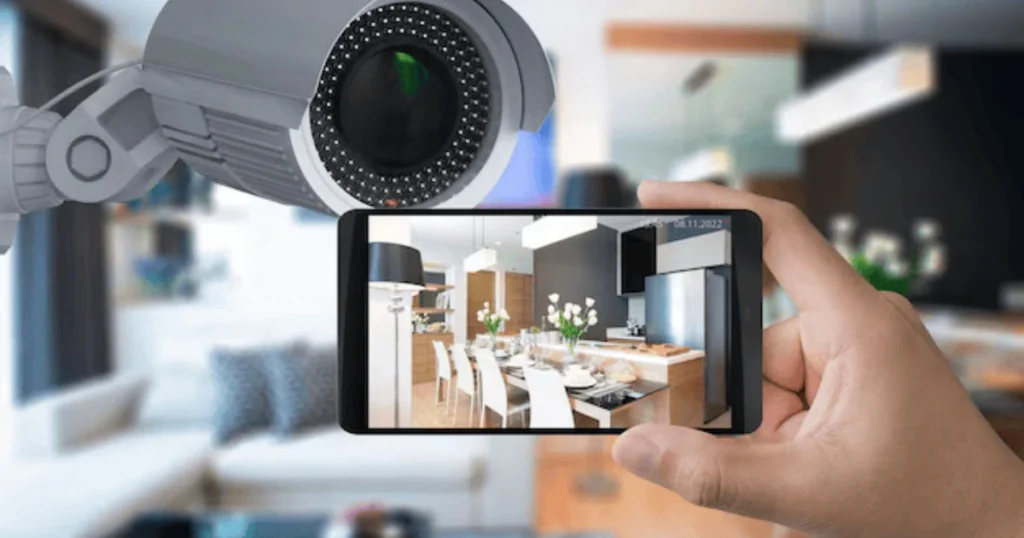
Video surveillance systems are essential for continuous monitoring across all key dealership zones, including showrooms, service areas, parking lots, and entry points.Modern CCTV systems provide HD and night vision capabilities, ensuring clear visibility in all lighting conditions. Advanced systems may also include AI-based analytics to detect unusual activity and reduce false alarms.With remote monitoring capabilities, security teams can respond to incidents in real time, improving overall response speed and effectiveness.Key components include HD CCTV cameras, night vision technology, AI-based motion detection, and remote live monitoring.
4. License Plate Recognition (LPR) Systems
License Plate Recognition (LPR) systems enhance vehicle tracking and access control by automatically recording all vehicles entering and exiting the dealership.They are especially useful for monitoring test drives, identifying repeat visitors, and maintaining a searchable database of vehicle activity for investigations.LPR technology integrates with existing security systems to provide accurate vehicle movement records, improving accountability and incident response.Key features include automated license plate capture, entry and exit logs, system integration capabilities, and searchable vehicle databases.
Integrated Security Approach
A
Dealership Security Complete Guide for Owners shows that effective protection comes from combining all layers into a unified system. Perimeter security prevents unauthorized access, access control manages internal movement, surveillance ensures continuous visibility, and LPR systems track all vehicle activity.Together, these systems form a proactive security framework that reduces theft, improves operational efficiency, and ensures a safe environment for employees, customers, and assets.
OHZ Remote Monitoring for Dealerships
Automotive dealership real-time video monitoring is a critical part of a modern, multi-layered security system that helps protect vehicles, employees, and overall dealership operations. When integrated with perimeter fencing, access control systems, and License Plate Recognition (LPR) cameras, it provides continuous visibility and instant awareness of all activity across the property. Real-time monitoring ensures that any unauthorized access, suspicious movement, or after-hours activity is detected immediately, allowing for quick response and reduced risk of theft or damage.
Comprehensive Car Dealership Security System
A robust car dealership security system is built on multiple layers of protection designed to safeguard vehicles, employees, and business operations. This layered approach ensures dealerships maintain full control over their property through physical security, access management, and intelligent monitoring technologies.
Perimeter Fencing and Gates
Physical barriers form the first line of defense for any dealership. Perimeter fencing and controlled gates help restrict unauthorized access and clearly define property boundaries.
These systems help in restricting entry to unauthorized individuals, establishing secure boundaries, and regulating the movement of both vehicles and people through monitored access points. When properly implemented, perimeter security significantly reduces the risk of intrusion and theft.
Access Control Systems (Keycards and Biometrics)
Access control systems ensure that only authorized personnel can enter sensitive areas such as offices, service departments, and key storage rooms.
These solutions include keycard and RFID systems, biometric authentication such as fingerprint and facial recognition, and digital visitor management with detailed entry logs.
By tracking and controlling access, these systems improve accountability and help reduce incidents of internal theft or unauthorized entry.
License Plate Recognition (LPR) Cameras
License Plate Recognition (LPR) cameras enhance surveillance capabilities by automatically recording all vehicles entering and exiting the dealership premises.
They support vehicle identification, assist in monitoring test drives, and provide accurate entry and exit data that is useful for investigations and security audits.
LPR technology adds an additional layer of intelligence to traditional surveillance by linking vehicle movement with recorded footage, improving both tracking and response efficiency.
Integrated Multi-Layer Security Approach
A strong car dealership security system in the United States relies on combining these layers into a unified strategy. Across the USA security monitoring systems landscape, dealerships are increasingly adopting perimeter security, access control, and LPR technology as core components of modern protection frameworks.
Physical barriers like fencing and gates prevent unauthorized access, access control systems regulate internal movement, and LPR cameras enhance CCTV monitoring in the USA by tracking vehicle activity in real time.
Together, these systems create a complete security ecosystem that improves safety, strengthens operational control, and enhances visibility across all dealership areas.
Security System Costs vs Theft Losses
Security Investment and Return on Investment (ROI) for Dealerships and Warehouses
Investing in a strong security system for a warehouse or dealership is not just a protection measure, it is also a long-term financial decision. Effective security reduces theft, minimizes operational losses, and delivers measurable return on investment over time.
Cost and Performance Comparison of Security Systems
System comparison helps understand how different security solutions perform in terms of cost, theft prevention, and ROI timeline.
| System | Annual Cost | Theft Prevention | ROI Timeline |
|---|
| CCTV Only | $12K | 40% | 18 months |
| Alarm Systems | $8K | 55% | 12 months |
| OHZ Remote Monitoring | $10K | 92% | 6 months |
CCTV Only Systems
CCTV systems provide basic surveillance and act as a deterrent through visible monitoring. However, they primarily support post-incident investigation rather than real-time prevention.
While they offer some level of protection, they only reduce a portion of theft risks. As a result, the return on investment is slower, typically around 18 months.
Alarm Systems
Alarm systems offer a stronger level of protection compared to basic CCTV setups. They detect unauthorized access and trigger immediate alerts, helping reduce response time.
With higher theft prevention effectiveness, alarm systems deliver faster ROI, typically around 12 months. However, they still depend on reactive response rather than proactive intervention.
OHZ Remote Monitoring Systems
OHZ Remote Monitoring provides the most advanced protection in this comparison. It combines real-time surveillance, active threat detection, and immediate response capabilities.
With a reported 92% reduction in theft, this system significantly lowers risk exposure. The faster response and prevention capabilities contribute to a much quicker ROI, typically within 6 months.
Summary of Value
Among the three options, CCTV provides basic coverage, alarm systems improve detection speed, but OHZ Remote Monitoring delivers the highest level of theft prevention and the fastest return on investment. This makes it the most efficient option for dealerships and warehouses aiming for both security and financial optimization.
Implementation Best Practices
Best Practices for Maximizing Dealership Security Systems
To fully maximize the benefits of a dealership security system, it is essential to follow structured best practices. These practices ensure consistency, scalability, and ease of management across all dealership operations.
Multi-Location Dealer Group Management
For dealership groups operating multiple locations, a centralized monitoring system is critical. It allows security teams to manage all sites through a single unified dashboard.
This approach enables real-time visibility across all locations, simplifies incident response, and ensures consistent security standards throughout the organization.
Key best practices include centralized monitoring for all locations, standardized security protocols for easier management, and unified dashboards for complete operational control.
Integration with Existing Security Systems
A modern automotive security solution should integrate smoothly with existing dealership infrastructure. This ensures a cost-effective upgrade without requiring complete system replacement.
Important integration areas include compatibility with existing CCTV cameras, connection with alarm systems and access control technologies, and scalability to support future expansion as the dealership grows.
Proper integration helps reduce costs while strengthening the overall security framework and ensuring long-term system flexibility.
Proven Results from Security System Upgrades
Dealerships that have adopted modern, multi-layered automotive security solutions have reported significant improvements in overall safety and efficiency.
Common benefits include reduced theft incidents, faster response to suspicious activity, improved operational efficiency, and better compliance with insurance requirements.
Final Outcome
A well-designed, multi-layered security system delivers stronger protection, better visibility, and improved operational control. By following best practices such as centralized monitoring and system integration, dealerships can achieve consistent security performance across all locations while maximizing long-term effectiveness.
Why Automotive Dealership Remote Video Monitoring Is Essential
Modern car dealerships need more than just traditional security cameras for protecting their cars, personnel, and visitors. The automotive dealership remote video monitoring system helps provide the security of a modern car dealership by utilizing artificial intelligence-based analytics, as well as active monitoring.
Automotive dealership remote video monitoring differs from the standard surveillance camera system since it not only records any incidents but also monitors the activity on the property in order to prevent suspicious occurrences like thefts, illegal entry, and tampering with the car dealership’s inventory.
This modern form of monitoring assists dealerships in decreasing instances of car theft, avoiding vandalism, increasing lot security, and maintaining constant surveillance in the parking lots, showrooms, service centers, and entry points. The ability of real-time monitoring enables security staff to react promptly, thus preventing any possible problems or threats.
In addition, for dealerships running several facilities, automotive dealership remote video monitoring is a perfect solution, enabling dealers to maintain control over their properties using one monitoring system.
The utilization of intelligent monitoring systems along with experienced professionals made the automotive dealership remote video monitoring a vital element of the modern dealership security system.
Conclusion
Auto dealers secure their lots in 2026 by adopting a fully integrated, technology-driven strategy built around USA security monitoring systems and the top security systems in the USA. How auto dealers secure their lots in 2026 goes beyond basic cameras, combining automotive dealership remote video surveillance, AI-powered analytics, access control, and license plate recognition into one unified system. These technologies work together to deliver real-time visibility, instantly detect suspicious activity, and enable rapid response to threats helping prevent theft before it occurs. With centralized monitoring and intelligent alerts, dealerships can maintain complete control over large outdoor lots, service areas, and multiple locations, ensuring consistent protection, reduced risk, and stronger operational efficiency across the entire business.
Car dealerships today face complex security challenges that require more than basic surveillance, which is why many businesses are turning to USA security monitoring systems and adopting top security systems in the USA to build a complete, proactive security strategy. Modern dealership security combines technologies such as access control, AI-powered video surveillance, license plate recognition, and centralized monitoring to create a multi-layered defense against theft and vandalism. These advanced systems provide real-time visibility and faster response across single and multi-location dealerships, helping reduce risks and improve operational control. With vehicle theft and dealership targeting continuing to rise across the U.S., investing in integrated monitoring solutions has become essential for protecting high-value inventory, employees, and customers while maintaining consistent security standards across all locations.
Car dealerships are confronted with a range of security concerns that vary from theft of vehicles in parking lots during the night to tool security in service bays, test drive key management, and access control. Protecting high-value property, employees, and customers requires more than just cameras; it demands a state-of-the-art security approach that incorporates a range of security technologies.
The prevention of theft through the use of various technologies ranging from access control technologies, video surveillance technologies, license plate recognition technologies, and OHZ Remote technologies can be achieved through the deployment of these technologies alongside best practice technologies ranging from central station monitoring for multi-location dealer groups (retail and commercial security solutions offered by OHZ).