Complete Construction Site Security Checklist
Construction sites are very different from other facilities. They change every day. New materials arrive, equipment moves, and workers come and go. As a result, managing security becomes more difficult. Small problems are easy to miss, but they can quickly turn into serious risks.
Construction sites face constant security challenges because materials, tools, and heavy equipment are often left exposed in open and changing environments. Without a proper construction site security checklist, businesses may struggle to control unauthorized access, theft, vandalism, and safety risks. Construction projects also involve multiple contractors, deliveries, and temporary access points, which makes site protection more difficult to manage on a daily basis.
A well-planned construction site security checklist helps project managers identify vulnerabilities, improve perimeter protection, monitor surveillance systems, and maintain better control over workers and visitors. Regular security inspections can help reduce costly delays, equipment theft, and operational disruptions while improving overall jobsite safety. Modern construction security strategies often combine fencing, lighting, access control, surveillance cameras, remote monitoring, and trained security personnel to create stronger protection across the entire site.
Why Every Construction Site Needs a Security Checklist
Every construction site needs a security checklist. These sites are dynamic, with new materials and workers moving across different areas.
Because of this, security can become difficult to manage. Small issues are often ignored at first. However, they can quickly grow into major problems if not addressed early.
Common Security Risks on Jobsites Unless a checklist is prepared, the following may not be noticed as a problem:
- Unsecured entry points
- Poor lighting in key areas
- Non-functioning cameras
- Unauthorized persons entering the site
- Valuable equipment in unsafe storage
All these may be quite trivial on their own. However, when combined, they become a major problem.
Daily Perimeter Security Checklist
Your perimeter represents your first line of defense. If an intruder can easily enter your site, all your internal elements become vulnerable too. That’s where daily checks come in. A simple check in the morning and another one at the end of the day can save you from making costly errors.
Fencing and Gates Checked Daily
First off, you need to check your fencing. This should be strong, sturdy, and at least 6 feet high. If you’re working in a more dangerous environment, 8 feet would be more appropriate. Ensure your fencing is anti-climb and doesn’t have any holes. A small gap can serve as an entry point, even at night. Also, you need to ensure all your gates are functioning well.
Entry Points Locked and Controlled
All entry points should be kept locked when not in use. This includes temporary entry points that are created during the various stages of construction. It is a common mistake to leave the gate open for ease of use. This makes it easier for unauthorized people to gain access without being noticed. Designate someone to check and ensure that all entry points are locked at the end of every shift.
No Trespassing Signage
Signage is one simple yet effective way to beef up your security. Make sure to place warning signs at all entry points.
Use signs with the following messages:
- No Trespassing
- Authorized Personnel Only
- 24/7 Surveillance in Operation
Lighting & Visibility Audit
Lighting is an integral component of jobsite security. It can be instrumental in preventing theft and ensuring safety. To begin with, darkness provides thieves with hiding places. It also contributes to accidents. The use of motion lights is a brilliant idea. They are designed to switch on when they sense motion. This helps in detecting suspicious activities, especially at night.
In addition, it is important to ensure proper levels of illumination. This should be at least 3000 lumens. This should be concentrated in areas such as storage, equipment yards, and entrance/exit points. Proper lighting helps in eliminating shadows. This ensures all areas of your site are well covered, whether it is through cameras or employees. Proper lighting helps in providing safety.
The areas of concentration should be:
- Storage
- Equipment yard
- Entry/exit points
Surveillance Camera Checklist

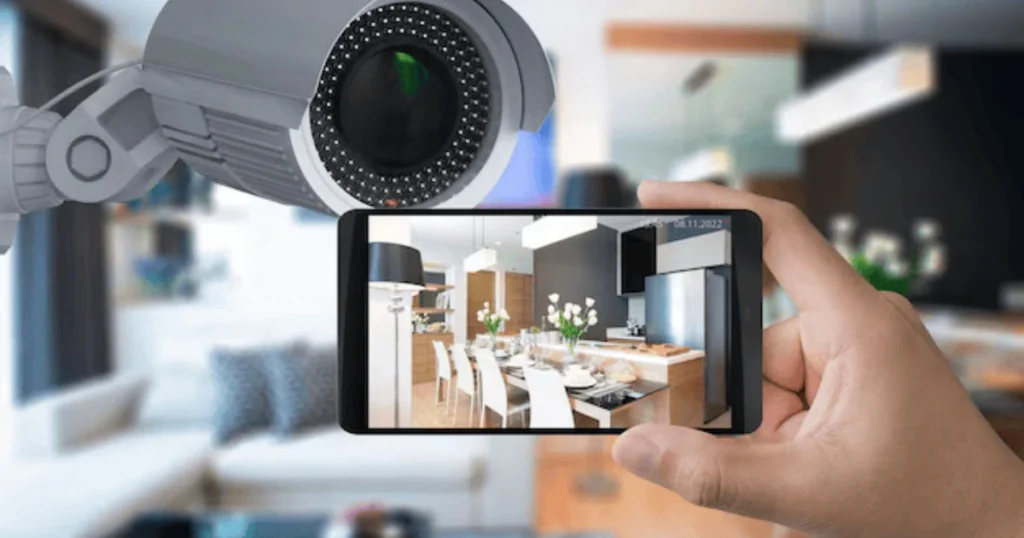
Cameras are considered one of the most significant components of jobsite security systems. They can help in monitoring, recording, and even deterring theft. However, for the camera system to be useful, it must be correctly set up and be functioning well. A non-functioning camera system can actually provide a false sense of security.
A camera check can help you ensure that your camera system is functioning well in order to detect and respond to potential threats.
All Cameras Live and Recording
First, ensure that all cameras are functioning properly. This means that all cameras should be turned on, connected, and recording video without any interruptions.
Daily checks should include:
- Cameras are turned on and properly positioned
- Video is being recorded without any interruptions
- Cameras are properly connected to the network
- Storage system is functioning properly
If any of your cameras are not functioning, this will leave a blind spot in your security system.
Night Vision Performance
The construction site is normally dark during night time. Hence, night vision is a requirement. The cameras used should have good resolution at a distance of 100 feet. Test your cameras under night conditions. It is not enough to test them during the day. Ensure that the image is clear and there is no difficulty with glare, shadow, and contrast. Night vision is required to ensure that there is no activity unnoticed.
Eliminate Blind Spots
Camera placement is a very critical aspect of security. It is recommended that you walk through your construction site and look for areas that are not fully covered.
Key areas that need attention include:
- Entry and exit points
- Equipment storage areas
- Areas where corners are involved
Some of the common weaknesses include blind spots. You need to adjust the cameras or purchase additional ones for complete coverage. Blind spots are considered some of the most common weaknesses in a construction site. You need to adjust the cameras or purchase additional ones for complete coverage.
Remote Monitoring Integration
However, in order to get the best out of your cameras, it is imperative that they provide the capability for remote monitoring. This is done through systems such as OHZ, which provide the capability for agents to monitor the cameras and act accordingly. With the capability for remote monitoring, your cameras are not just for recording, they are a dynamic security solution, which provides greater security, especially on nights and off-hours.
Access Control Verification
However, access control is as important as the security around the perimeter. It assists in the tracking of people entering and exiting the premises. This can be done by controlling the entrance points. For example, only one entrance point can be allowed for the entire premises. This limits the possibilities of unauthorized entry. Moreover, it can be used to monitor the workers by the use of ID badges.
Single Entry Point Control
Restrict access through one main entry point whenever possible. This can be done to monitor the people entering and leaving the premises. There can be more possibilities for unauthorized entry through more than one open access point. A single point of entry can help maintain better visibility and prevent confusion for workers and visitors. Designate a person/system to monitor this entry point.
Badge Based Entry Systems
ID badges or digital access control systems should be used to control site access. Each worker and subcontractor should have an ID to be validated before entering the site.
Benefits of ID badge systems:
- Identifies who is entering and leaving
- Restricts unauthorized persons from entering
- Builds a record of activities for each day
Digital systems may also send real-time alerts if an unauthorized person attempts to gain access.
Visitor Logs and Tracking
Also, keep records of all visitors. This data should be recorded for a period of at least the last 7 days, depending on your needs.
Each log will contain:
- Name of the visitor
- Time of entry and exit
- Reason for visiting
- Who they are visiting
This will help you in case of any untoward incident, as well as make it easier for you to detect any security problems.
Subcontractor Verification
It is necessary to verify the subcontractors daily before entering the site. Their credentials should be checked to ensure that they are authorized to be present on the site. Unauthorized workers can cause a lot of internal theft and security violations. A verification procedure can help prevent this. It is necessary to ensure that the subcontractors are aware of the rules and regulations and follow the security procedures.
Equipment and Asset Protection
Construction equipment tends to be costly, and thefts are common for these items. A theft can be detrimental, even if it is for a single machine. In order to prevent theft, consider using a GPS tracker for high-value items. This way, these items can be tracked in real-time, making them easier to recover in case of theft. Additionally, store tools in cages and high-risk materials in a controlled environment. This will help in the protection of high-value items on site.
GPS Trackers for High Value Assets
Use GPS trackers on assets worth $10,000 or more. This includes machines such as excavators, generators, and loaders. GPS trackers enable you to locate your assets in real-time. In case of theft, it becomes easy to locate the assets. The assets have a higher chance of being recovered. This minimizes the loss.Tool Cages Double Locked
All tools should be stored in cages with a double-lock system. This would provide an additional layer of security and make it difficult for unauthorized persons to gain access. The double-lock system would also slow down thieves, and this would improve the chances of detecting them. This is a simple and effective method of securing smaller tools.Secure High Risk Materials
Some of the materials include copper wiring, fuel, and electrical components. These materials are usually targeted by thieves because of their resale value. These materials should always be stored properly.
For contractors managing multiple jobsites, standardizing how utility openings and equipment enclosures are secured makes these controls easier to enforce, and some suppliers offer contractor access door resources and volume support built specifically for construction teams.They should be stored in:
- Locked containers
- Restricted access areas
- Monitored areas
OHZ Remote Monitoring Readiness
However, traditional security arrangements are no longer sufficient. Construction sites need real-time monitoring, which requires immediate attention to prevent theft and damage. This is where the role of remote monitoring is being increasingly recognized, which provides an additional layer of security.
IP Cameras Connected and Tested
Ensure that all the cameras you have installed are compatible with the remote monitoring system. Each camera should be connected to the system and functioning well. A system should be connected for it to provide real-time alerts. Testing the cameras will guarantee that your site is ready for active monitoring.
Live Agent Monitoring
With OHZ, trained security professionals monitor your site in real time. Instead of just recording footage, they actively watch for unusual activity and respond immediately.
They can:
- Detect suspicious behavior
- Verify if a threat is real
- Take action to stop incidents before they escalate
This human verification reduces false alarms and improves response accuracy.
30 Second Response Protocol
Speed is one of the biggest advantages of remote monitoring. OHZ systems respond to threats in under 30 seconds. This fast response helps stop theft attempts early and limits potential damage. In many cases, quick action is enough to prevent incidents from happening at all. Unlike traditional systems that only record what happens, remote monitoring works to prevent incidents in real time. It gives your jobsite continuous protection, faster response, and better overall control.
Emergency and Compliance Check
Security is not only about preventing theft. It also includes protecting workers and meeting safety regulations. A well-prepared site can respond quickly to emergencies and reduce the risk of injuries.
Fire Safety Equipment
Check that fire extinguishers are placed in easy-to-reach locations across the site. They should be clearly visible and not blocked by materials or equipment. Make sure each unit is fully charged and inspected on a regular schedule. Faulty or empty equipment can delay response during a fire and increase risk.
First Aid Kits Stocked
First aid kits should be available in key areas of the jobsite. They must be fully stocked and ready for use at all times. Regularly check supplies and replace any missing or expired items. Quick access to first aid can make a big difference during accidents or injuries.
Evacuation Routes Marked
All evacuation routes should be clearly marked and easy to follow. This includes exits, pathways, and assembly points. Clear markings help workers leave the site quickly and safely during emergencies. Make sure routes are always accessible and not blocked by tools or materials.
Common Jobsite Security Mistakes to Avoid
Even with a checklist in place, certain mistakes can weaken your entire security strategy. These issues often go unnoticed but can lead to serious risks if not addressed early.
Ignoring After Hours Security
Most theft happens at night when the jobsite is empty. If security is focused only on daytime activity, the site becomes an easy target after hours. Without proper monitoring during the night, intruders can move freely without being noticed. Continuous protection is important to reduce this risk.
Relying Only on Cameras
Cameras are useful, but they are not enough on their own. If no one is actively watching, they only record what happens instead of stopping it. This means incidents are discovered after the damage is already done. Active monitoring is needed to respond in real time and prevent losses.
Poor Access Management
Allowing unrestricted access makes it difficult to control who is on-site. This increases the risk of theft, misuse of equipment, and safety issues. Without proper checks, unauthorized people can enter the site without being noticed. Clear access control helps maintain order and reduces risk.
Lack of Regular Audits
Security is not a one-time setup. Construction sites change every day, and new risks can appear at any time. If security measures are not reviewed regularly, gaps can develop without anyone noticing. Frequent audits help ensure that all systems continue to work as expected.
How Remote Monitoring Transforms Jobsite Security
Traditional security methods are mostly reactive. They record what happens but often fail to stop incidents in real time. By the time an issue is noticed, the damage is already done. Remote monitoring changes this approach. It focuses on prevention, not just recording. Instead of waiting for incidents to happen, it detects risks early and responds immediately.
With OHZ, construction sites benefit from a smarter and more active security system that includes:
- 24/7 live surveillance without interruptions
- AI-powered detection to identify unusual activity
- Human verification to confirm real threats
- Instant response to stop incidents quickly
This combination creates a strong, layered security system. Each part works together to improve detection, reduce false alarms, and respond faster.
As a result, jobsite security becomes more reliable and effective compared to using standalone methods alone. It not only protects assets but also helps prevent problems before they grow into serious issues.
Conclusion
A checklist is more than just a document it is a practical strategy that helps you prevent losses, improve safety, and maintain full control over your jobsite. Instead of relying on guesswork or reactive decisions, a structured checklist gives you a clear, repeatable process to identify risks and fix them before they become serious problems.
When you combine this checklist with OHZ remote monitoring, your security approach becomes stronger and more efficient. You move from reacting to incidents to preventing them in real time. Your processes become consistent instead of dependent on manual checks, and your security can easily scale as your projects grow or expand across multiple locations. Start auditing your site today. Taking small, consistent steps now can help you avoid costly incidents later and build a safer, more secure jobsite from start to finish.
A detailed warehouse security checklist helps businesses improve safety, prevent theft, and maintain better control over warehouse operations. Regular checks of cameras, access control systems, lighting, alarms, and loading docks can help identify security risks before they become major problems. By following a structured warehouse security checklist, companies can protect inventory, improve employee safety, and create a more secure warehouse environment for daily operations.
FAQs
A construction site security checklist is essential for identifying risks and maintaining consistent protection. However, combining these audits with OHZ remote monitoring takes security to the next level providing real-time surveillance, faster response, and significantly reduced risk. Together, they create a complete and modern jobsite security solution.
How often should I complete site security audits?
Site security audits should be done on a regular schedule to stay effective. Daily checks help identify immediate risks such as open gates or damaged fencing. Weekly reviews allow you to go through the full checklist and confirm everything is working as expected. Monthly testing focuses on systems like cameras, lighting, and alarms to ensure long-term reliability. This layered approach keeps your site secure at all times.
What’s the minimum fencing specification for jobsites?
The minimum recommended fencing height is 6 feet, but 8 feet is ideal for high-risk sites. Fencing should be anti-climb and properly secured, with no gaps larger than 12 inches. Even small openings can become easy access points for intruders, so regular inspection is important.
What lighting standards should be followed?
A minimum brightness level of 3000 lumens is recommended across key areas of your jobsite. Motion-activated lighting is especially effective for after-hours security because it exposes movement instantly and discourages intruders.
Does remote monitoring replace security guards?
Remote monitoring can either replace or support security guards, depending on your needs. It provides continuous 24/7 coverage and faster response times, making it highly effective for nights and weekends. Many sites use a hybrid approach to get the best results.
What signage is most effective for deterrence?
Clear and visible signage plays a big role in preventing unauthorized access. Signs such as “No Trespassing” and “24/7 Video Monitoring” send a strong message that the site is protected and actively monitored.
How long should security footage be stored?
Security footage should be stored for at least 90 days. This allows enough time to review incidents, support investigations, and handle insurance claims if needed. Cloud storage is a good option for longer retention without extra hardware.
Can existing cameras be integrated with OHZ?
Yes, most modern IP-based cameras can be integrated with OHZ systems. This means you can upgrade to advanced remote monitoring without replacing your current equipment, saving both time and cost.

Security content creator with OHZ Remote Guarding, focusing on advanced asset protection strategies during extended business closures and seasonal risks.