How Remote Surveillance Helps Prevent Internal Theft
Prevent internal theft remote surveillance solutions are becoming essential for businesses that want to reduce losses, improve accountability, and protect daily operations. Employee theft continues to impact retail stores, warehouses, offices, and commercial facilities through inventory shrinkage, cash handling fraud, and unauthorized access. Traditional CCTV systems only record incidents after they happen, but modern remote surveillance employee theft systems actively monitor suspicious activity in real time. At OHZ, AI-powered analytics combined with live monitoring create a proactive internal theft prevention workplace strategy that helps businesses identify risks early, prevent internal losses, and maintain stronger operational security without relying only on passive surveillance systems.
For many business owners, the most significant losses don’t come from external threats, but from within. The U.S. Chamber of Commerce estimates that employee theft costs businesses billions of dollars annually. Therefore, finding a reliable way to prevent internal theft is not just a security issue; it’s a critical business priority. However, many businesses still rely on passive, unmonitored CCTV. These systems only record a crime, leaving you to discover the loss after the fact. Modern remote surveillance in the workplace, on the other hand, is a proactive tool. It is designed to stop employee theft before it escalates.
Here’s how a proactive system works.
Why Internal Theft Is a Bigger Threat Than External Crime
Many businesses invest heavily in protecting their properties from burglary, vandalism, and trespassing while overlooking one of the most damaging risks inside the workplace: employee theft. In many industries, internal losses happen more frequently than external break-ins, making employee theft remote monitoring an essential part of modern business security.
Unlike external crime, internal theft often happens slowly over time. Small incidents may appear harmless at first, but repeated losses can grow into major financial problems that impact profitability, operations, and employee trust.
Because employees already understand company procedures, schedules, inventory systems, and security gaps, internal theft is often much harder to identify than outside criminal activity. This is why businesses are increasingly adopting proactive internal theft prevention workplace strategies supported by AI surveillance and remote monitoring technology.
How Internal Theft Happens in the Workplace
Internal theft can happen in almost any business environment, including retail stores, warehouses, offices, restaurants, healthcare facilities, and logistics operations. In many cases, these incidents continue for weeks or months before management notices unusual inventory shortages or financial discrepancies.
Common Signs of Internal Theft
Businesses commonly experience issues such as:
- Employees leaving cash drawers open
- Unauthorized refunds or discounts
- Inventory removed without documentation
- Personal vehicles loading company products
- Employees entering restricted areas after hours
- Supply theft from storage rooms or warehouses
Traditional CCTV systems may record these activities, but they rarely provide real-time intervention. Modern remote surveillance employee theft solutions actively monitor suspicious behavior and alert security teams immediately when unusual activity occurs.
Why Employee Theft Is Harder to Detect
External threats are usually obvious because they involve forced entry, damaged property, or visible criminal activity. Internal theft is more difficult because employees often know how to avoid suspicion.
Employees Understand Security Weaknesses
Employees may already know:
- Camera blind spots
- Shift change schedules
- Inventory procedures
- Manager routines
- Access control weaknesses
This insider knowledge allows theft to happen quietly over time. Without OHZ internal theft surveillance and real-time monitoring, businesses may not detect losses until financial damage becomes significant.
The Real Cost of Employee Theft
For mid-sized businesses, internal theft losses can quickly grow into hundreds of thousands of dollars annually. These losses affect far more than inventory alone.
Common Loss Categories
| Theft Type | Estimated Annual Loss |
|---|---|
| Cash Skimming | $22K |
| Inventory Shrink | $271K |
| POS Abuse | $27K |
| Supply Theft | $181K |
| Unauthorized Discounts | $35K+ |
How Remote Surveillance Helps Prevent Internal Theft
The primary benefit of a remote surveillance system is its role as a powerful, 24/7 deterrent. This is not about “spying”; it’s about creating a culture of accountability and transparency.
1. The Power of a Proactive Presence
The “Observer Effect” is a well-documented psychological principle: people act more honestly when they know someone is watching. A traditional guard, however, can only be in one place at a time. A passive camera that no one monitors is just a recording device.
A professionally monitored remote surveillance system, in contrast, acts as a constant, impartial presence. This simple knowledge is often the single most powerful deterrent to opportunistic, non-professional theft.
2. Moving from Passive Recording to Active Intervention
This is where a proactive system truly shines. Let’s compare the two approaches:
- Traditional (Passive) System: An employee skims cash from the register at 3 PM. The business owner discovers the discrepancy at 5 PM. A manager then spends hours reviewing footage to confirm the incident. By this time, the loss is complete.
- OHZ (Proactive) System: An employee deviates from cash-handling protocol. Our AI-powered analytics, paired with live expert agents, detect this suspicious behavior as it happens.
Instead of just documenting the loss, our agents can actively intervene. For instance, they can immediately alert a manager or on-site security to the real-time event. For high-security zones, a live voice-down can stop the action immediately. This is the core of a proactive security solution: stopping the loss, not just recording it.
A Proactive Strategy for Employee Theft Prevention
One of the biggest advantages of using prevent internal theft remote surveillance systems is their ability to stop suspicious activity before losses escalate. Unlike traditional CCTV systems that simply record incidents, modern remote surveillance employee theft solutions provide active monitoring, real-time visibility, and proactive intervention across the workplace.
To effectively prevent internal theft, you must address not just the action, but the opportunity. Internal theft often looks like a normal procedure being done incorrectly.
For example:
- Leaving cash drawers open.
- Improperly applying discounts at the POS.
- Moving inventory to an unauthorized area.
- Propping open secure server room doors.
We design our remote surveillance services to enforce your company’s compliance protocols. Our trained agents don’t just watch for theft; they ensure your team follows your security procedures. Consequently, by removing the opportunity for theft, you create a much more secure environment.
Building Trust Through Workplace Monitoring
As hybrid work environments continue to grow, many companies now rely on office building remote video surveillance systems to maintain security across entrances, restricted zones, parking lots, and employee workspaces. Remote guarding combined with live monitoring allows businesses to respond faster to incidents while improving employee safety and reducing operational risks.
A common concern is that monitoring will create a culture of distrust. In reality, the opposite is true when you implement the system with transparency.
An effective program should be part of a clear, written security policy that all employees understand. This policy should state what the system monitors, why (to protect assets, ensure safety, and enforce compliance), and how the company uses that data.
This transparency protects everyone. It protects the business from loss, and it also protects your honest employees from false accusations. In the event of an incident, an objective video record can quickly and fairly resolve any disputes.
The real goal is to have a proactive, not punitive, system. Remote surveillance in the workplace is a strategic tool to prevent internal theft by deterring it, intervening in real-time, and ensuring compliance.
Ready to protect your business from the inside out? Contact the OHZ team for a confidential assessment of your internal security needs.
The Power of a Proactive Security Presence
One of the most effective psychological deterrents in workplace security is the “Observer Effect.” This principle shows that people are more likely to follow rules and behave honestly when they know activity is actively monitored.
Traditional security methods have major limitations:
- Security guards can only monitor one location at a time
- Passive cameras are rarely watched live
- Incidents are often discovered after losses occur
As a result, many businesses only learn about theft after inventory shrinkage, cash discrepancies, or compliance violations have already caused damage.
OHZ remote surveillance employee theft systems work differently. AI-powered monitoring and live security oversight create a proactive workplace security presence across all critical business areas.
This includes:
- Cash handling stations
- Warehouses and storage rooms
- Inventory areas
- Loading docks
- POS terminals
- Restricted access zones
Because monitoring happens continuously, businesses reduce opportunities for opportunistic theft while improving employee accountability and operational visibility.
Modern businesses are increasingly adopting office building real-time video monitoring solutions to improve workplace accountability, employee safety, and operational visibility. Unlike traditional CCTV systems, AI-powered surveillance helps organizations proactively detect suspicious activity, monitor high-risk areas, and strengthen overall workplace security through continuous live oversight.
Why Visibility Reduces Internal Theft
When employees understand that AI-powered employee theft remote monitoring is active, workplace behavior often improves naturally. Real-time visibility discourages theft, policy violations, and unauthorized activity before incidents occur.
OHZ combines:
- AI-powered surveillance analytics
- Real-time remote monitoring
- Intelligent activity detection
- Live security intervention when needed
This proactive internal theft prevention workplace strategy helps businesses prevent losses instead of simply documenting them afterward.
Retail environments continue to experience growing theft challenges, which is why many businesses now depend on shopping center remote video surveillance to improve loss prevention. AI analytics and live remote guarding help retailers monitor customer activity, reduce organized retail crime, and proactively prevent internal and external theft incidents.
7 Internal Theft Patterns AI Detects Instantly
Modern AI surveillance stop employee theft technology allows businesses to identify suspicious workplace behavior in real time instead of discovering losses after the damage is done. Traditional cameras simply record incidents, but AI-powered employee theft remote monitoring actively analyzes behavior patterns, workplace movement, and operational activity across critical business areas.
At OHZ, proactive internal theft prevention systems combine AI analytics with live monitoring specialists to detect high-risk activity immediately and help businesses reduce shrinkage, fraud, and unauthorized access.
1. Cash Drawer Violations
Cash handling violations are one of the most common forms of internal theft in retail, hospitality, and service industries. Even small discrepancies repeated daily can create significant annual losses.
OHZ internal theft surveillance can detect:
- Cash drawers left open too long
- Unusual cash handling behavior
- Register access outside approved procedures
- Suspicious transaction timing
When activity exceeds approved thresholds, the system instantly alerts monitoring teams and management.
Detection Accuracy: 97%
2. POS Discount Abuse Prevention
Unauthorized discounts and refund manipulation are common employee theft tactics that are often difficult to identify manually.
Adhering to ASIS International retail loss prevention guidelines allows AI video analytics to cross-reference transaction logs with corresponding camera footage in real time. OHZ AI surveillance analytics continuously monitor POS activity to identify:
- Excessive employee discounts
- Unauthorized manager overrides
- Suspicious refunds and voids
- Unusual transaction patterns
This proactive monitoring helps businesses prevent revenue loss before fraudulent activity becomes a larger financial problem.
Detection Accuracy: 95%
3. Inventory Shrink Remote Detection
Inventory shrinkage can quietly damage profitability for months before businesses recognize the true impact. Traditional inventory audits often discover losses too late.
OHZ employee theft remote monitoring detects:
- Inventory movement without scanning
- Unauthorized product removal
- Inventory handling outside approved workflows
- Suspicious stockroom behavior
Managers receive immediate alerts when inventory activity appears abnormal or unverified.
Detection Accuracy: 94%
4. Unauthorized Backroom Access
Restricted areas such as inventory rooms, management offices, warehouses, and server rooms require continuous monitoring to prevent internal theft and workplace policy violations.
OHZ proactive internal theft prevention systems identify:
- Employees entering restricted areas after hours
- Access attempts outside approved schedules
- Unverified backroom activity
- Suspicious employee movement patterns
The system can trigger:
- Live monitoring alerts
- Access verification requests
- Real-time manager notifications
Detection Accuracy: 98%
5. Supply Room Theft
Supply rooms and equipment storage areas are frequently overlooked during workplace security planning. However, these locations are common targets for internal theft.
OHZ remote surveillance employee theft systems monitor:
- Unusual supply room access frequency
- Non-scheduled employee entries
- Suspicious equipment removal behavior
- Repeated access outside work responsibilities
This helps businesses reduce supply loss, improve accountability, and maintain better inventory control.
6. Dumpster Diversion Activity
Some workplace theft schemes involve hiding products or materials in dumpster areas for retrieval later. These incidents are difficult to detect without active surveillance.
OHZ AI analytics can identify:
- Repeated dumpster visits
- Suspicious movement near waste areas
- Unauthorized after-hours activity
- Unusual employee behavior patterns
Real-time monitoring helps businesses stop diversion activity before inventory leaves the property.
7. Loading Dock Abuse
Loading docks remain one of the highest-risk areas for workplace theft because they involve frequent inventory movement, deliveries, and vehicle access.
OHZ internal theft surveillance actively monitors:
- Personal vehicle access near loading areas
- Unauthorized inventory transfers
- Suspicious loading activity
- Unverified shipment movement
AI-powered detection combined with live monitoring creates stronger workplace accountability and reduces opportunities for organized internal theft.
High-Risk Workplace Areas Every Business Should Monitor

Warehouses, manufacturing plants, and logistics facilities face unique operational risks that require advanced industrial remote video monitoring solutions. AI-powered surveillance helps businesses detect unauthorized access, inventory shrinkage, loading dock abuse, and workplace safety violations before they escalate into costly security incidents.
Not every area inside a business carries the same level of security risk. Some workplace zones consistently experience higher rates of employee theft, inventory shrinkage, unauthorized access, and operational violations. Without proper monitoring, these high-risk areas can become major sources of financial loss and workplace security problems. This is why businesses are increasingly using prevent internal theft remote surveillance systems to monitor vulnerable operational zones in real time. With AI-powered analytics and live remote monitoring, companies can identify suspicious activity faster and improve workplace accountability across all critical areas.
Cash Offices
Cash handling areas remain one of the highest-risk zones for internal theft, especially in retail stores, hospitality businesses, restaurants, and commercial operations.
Even small cash discrepancies repeated over time can lead to major annual losses.
OHZ internal theft surveillance helps businesses monitor:
- Cash counting procedures
- Cash drawer activity
- Employee cash handling behavior
- Unauthorized access to cash rooms
Recommended Protection for Cash Offices
To strengthen proactive internal theft prevention, businesses should use:
- Overhead PTZ cameras
- AI transaction monitoring
- Live remote verification
- Real-time activity alerts
This combination helps reduce cash skimming, fraud, and compliance violations before losses escalate.
POS Registers
Point-of-sale systems are common targets for internal theft because employees directly control transactions, refunds, discounts, and payment adjustments.
Without employee theft remote monitoring, suspicious POS activity may go unnoticed for weeks.
Common POS Theft Risks
OHZ AI surveillance stop employee theft systems can identify:
- Unauthorized discounts
- Suspicious refunds
- Excessive voids or overrides
- Irregular transaction behavior
Recommended POS Monitoring Features
Effective POS discount abuse prevention requires:
- Transaction synchronization
- Real-time AI analytics
- Live monitoring support
- Instant alert notifications
This allows businesses to detect unusual transaction behavior immediately instead of relying only on end-of-day audits.
What OHZ Monitors in Inventory Areas
Businesses managing warehouses and storage facilities are increasingly investing in self-storage live video monitoring systems to reduce theft, improve inventory visibility, and strengthen access control. Real-time monitoring allows security teams to identify suspicious activity immediately instead of relying only on recorded footage after losses occur.
OHZ inventory shrink remote detection systems monitor:
- Employee access activity
- Product movement patterns
- Unauthorized inventory handling
- Unverified stock transfers
AI-powered monitoring improves inventory accountability and helps businesses reduce long-term shrinkage.
High-Risk Restricted Areas Include
- Stock rooms
- Server rooms
- Restricted storage areas
- Equipment rooms
- Employee-only operational spaces
With OHZ remote surveillance employee theft systems, businesses receive real-time alerts when suspicious access activity occurs.
Loading Docks
Loading docks remain one of the highest-risk workplace theft areas because they involve constant inventory movement, vehicle access, and shipping activity.
Without proactive internal theft prevention workplace monitoring, unauthorized product removal can happen quickly and repeatedly.
Recommended Loading Dock Protection
OHZ loading dock monitoring includes:
- License plate recognition (LPR)
- Vehicle tracking systems
- AI-powered movement analytics
- Live remote monitoring coverage
This helps businesses verify deliveries, monitor shipment activity, and reduce unauthorized inventory removal.
Building Trust Through Workplace Monitoring
Many business owners worry that workplace monitoring may create discomfort or reduce employee trust. However, when implemented correctly, transparent workplace monitoring programs often improve accountability, fairness, and overall workplace professionalism.
Modern prevent internal theft remote surveillance systems are not designed to spy on employees. Instead, they help create a safer, more secure, and more transparent work environment for everyone.
At OHZ, proactive internal theft prevention focuses on protecting business operations while also supporting honest employees through fair and objective workplace security practices.
Effective Workplace Monitoring Programs Should Include
- Clear written workplace security policies
- Employee communication and onboarding
- Visible surveillance signage
- Workplace security training programs
- Clearly defined monitoring purposes
Businesses should ensure employees understand:
- What areas are being monitored
- Why monitoring systems are necessary
- How surveillance footage is used
- How the system protects employees and company assets
This approach helps build trust while strengthening workplace accountability and operational transparency.
Monitoring Protects Honest Employees
One of the most overlooked benefits of remote surveillance employee theft systems is employee protection.
Without objective evidence, workplace disputes often become difficult to resolve fairly. Misunderstandings, false accusations, and conflicting reports can create tension between employees and management.
OHZ internal theft surveillance provides reliable video documentation that helps businesses make fair, evidence-based decisions.
Objective Video Evidence Helps Businesses
- Prevent false accusations against employees
- Resolve workplace disputes fairly
- Verify incidents accurately
- Improve HR and compliance investigations
- Support safer workplace environments
This creates a more professional and accountable workplace culture where employees feel protected as well as monitored.
Manager Alerts and Real-Time Decision Making
Traditional CCTV systems often force managers to spend hours reviewing footage after incidents occur. This delays investigations and limits the ability to respond quickly to workplace issues.
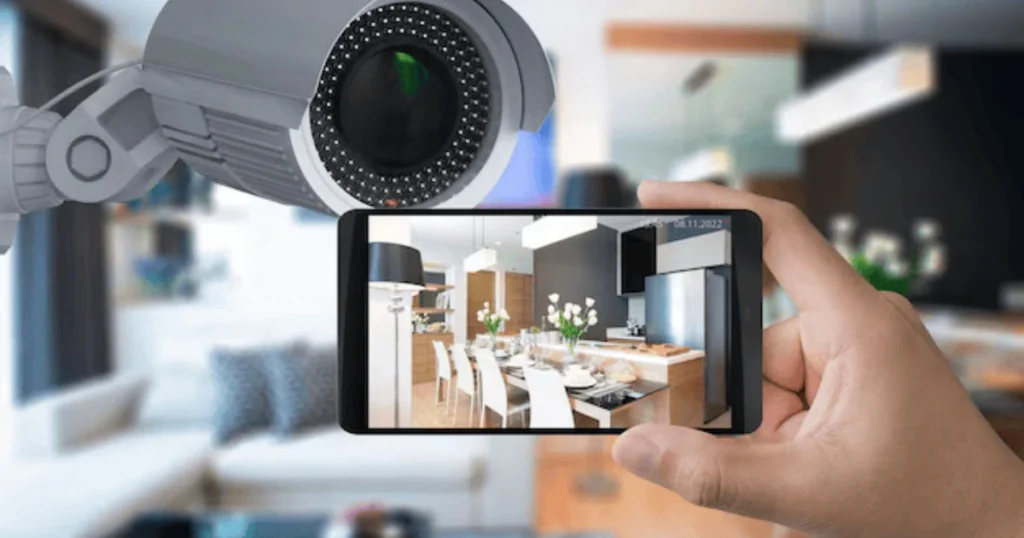
OHZ employee theft remote monitoring systems provide managers with instant visibility into workplace activity through real-time alerts and mobile access.
Real-Time Mobile Alerts Include
Managers can instantly receive:
- Video clips of suspicious activity
- Exact timestamps
- Camera location details
- Employee activity information
- Live video feed access
This immediate access allows faster and more informed decision-making across workplace operations.
Faster Responses Improve Workplace Security
With proactive internal theft prevention workplace systems, managers no longer need to:
- Review hours of recorded footage
- Investigate incidents blindly
- Discover losses after the damage occurs
Instead, businesses gain real-time visibility into workplace events as they happen.
This allows management teams to:
- Respond faster to suspicious behavior
- Reduce operational disruptions
- Improve workplace accountability
- Strengthen internal security controls
- Prevent losses before escalation
By combining AI-powered analytics, live monitoring, and real-time manager alerts, OHZ helps businesses create a smarter, safer, and more transparent workplace environment.
Building Trust Through Workplace Monitoring
The other problem associated with workplace monitoring is the fear of creating discomfort and undermining employees’ confidence. However, when done right, the right workplace monitoring can bring about professionalism in the workplace. Prevent internal theft remote surveillance systems do not involve spying on your employees; rather, they help promote a secure workplace.
At OHZ, proactive internal theft prevention focuses on protecting business operations while also supporting honest employees through fair and objective workplace security practices.
Effective Workplace Monitoring Programs Should Include
- Clear written workplace security policies
- Employee communication and onboarding
- Visible surveillance signage
- Workplace security training programs
- Clearly defined monitoring purposes
Businesses should ensure employees understand:
- What areas are being monitored
- Why monitoring systems are necessary
- How surveillance footage is used
- How the system protects employees and company assets
This approach helps build trust while strengthening workplace accountability and operational transparency.
Monitoring Protects Honest Employees
One of the most overlooked benefits of remote surveillance employee theft systems is employee protection.
Without objective evidence, workplace disputes often become difficult to resolve fairly. Misunderstandings, false accusations, and conflicting reports can create tension between employees and management.
OHZ internal theft surveillance provides reliable video documentation that helps businesses make fair, evidence-based decisions.
Objective Video Evidence Helps Businesses
- Prevent false accusations against employees
- Resolve workplace disputes fairly
- Verify incidents accurately
- Improve HR and compliance investigations
- Support safer workplace environments
This creates a more professional and accountable workplace culture where employees feel protected as well as monitored.
Manager Alerts and Real-Time Decision Making
Traditional CCTV systems often force managers to spend hours reviewing footage after incidents occur. This delays investigations and limits the ability to respond quickly to workplace issues.
OHZ employee theft remote monitoring systems provide managers with instant visibility into workplace activity through real-time alerts and mobile access.
Real-Time Mobile Alerts Include
Managers can instantly receive:
- Video clips of suspicious activity
- Exact timestamps
- Camera location details
- Employee activity information
- Live video feed access
This immediate access allows faster and more informed decision-making across workplace operations.
Faster Responses Improve Workplace Security
With proactive internal theft prevention workplace systems, managers no longer need to:
- Review hours of recorded footage
- Investigate incidents blindly
- Discover losses after the damage occurs
Instead, businesses gain real-time visibility into workplace events as they happen.
This allows management teams to:
- Respond faster to suspicious behavior
- Reduce operational disruptions
- Improve workplace accountability
- Strengthen internal security controls
- Prevent losses before escalation
By combining AI-powered analytics, live monitoring, and real-time manager alerts, OHZ helps businesses create a smarter, safer, and more transparent workplace environment.
Why Businesses Choose OHZ
Businesses choose OHZ Security because our approach goes far beyond traditional cameras and passive recording systems. Modern businesses need more than footage after an incident—they need proactive protection that helps stop losses before they happen.
OHZ combines prevent internal theft remote surveillance, AI-powered analytics, and live monitoring to create a smarter and more effective workplace security strategy. Our systems are designed to help businesses reduce internal losses, improve workplace accountability, and strengthen operational visibility in real time.
Unlike traditional CCTV systems, OHZ internal theft surveillance actively monitors suspicious workplace behavior and helps businesses respond immediately when risks are detected.
What OHZ Provides
Our proactive internal theft prevention solutions include:
- Remote surveillance employee theft prevention
- AI-powered workplace analytics
- Employee theft remote monitoring
- Live security intervention and verification
- Workplace compliance monitoring
- Real-time manager alerts
- Internal theft prevention workplace strategies
- AI-driven suspicious activity detection
- Real-time theft intervention workplace protection
With OHZ, businesses gain continuous visibility into high-risk workplace areas including POS terminals, inventory rooms, loading docks, storage areas, and employee-only zones.
Smarter Workplace Security with AI Monitoring
OHZ combines AI surveillance technology with trained monitoring specialists to deliver proactive internal theft prevention across all business operations.
Our systems help businesses:
- Detect suspicious employee behavior instantly
- Reduce inventory shrinkage and cash handling theft
- Improve workplace compliance and accountability
- Prevent unauthorized employee access
- Respond faster to workplace incidents
This combination of AI analytics and live monitoring creates a more reliable workplace security environment while reducing operational risk.
FAQs
Prevent internal theft remote surveillance systems are becoming essential for businesses that want to reduce shrinkage, improve accountability, and strengthen workplace security. Below are the most common questions businesses ask about remote surveillance employee theft prevention and proactive workplace monitoring solutions.
How does OHZ compare to AI-only employee theft prevention systems?
Many AI-only systems rely completely on automated alerts without human verification, which can increase false alarms and reduce response accuracy. OHZ internal theft surveillance combines AI analytics with live monitoring specialists to deliver stronger protection and faster intervention. OHZ provides up to 92% theft deterrence through proactive monitoring, while many AI-only systems depend entirely on automated detection without real-time human decision-making.
What types of internal theft does remote surveillance detect most effectively?
Modern employee theft remote monitoring systems are highly effective at identifying inventory shrinkage, POS abuse, cash handling violations, and unauthorized access activity.
OHZ AI surveillance stop employee theft analytics can detect:
- Inventory shrinkage activity
- Cash skimming behavior
- Unauthorized discounts and refunds
- Supply theft and inventory manipulation
- Restricted area access violations
These proactive internal theft prevention systems help businesses identify suspicious behavior before losses escalate.
How do employees typically respond to live intervention?
In many cases, live intervention prevents workplace incidents without confrontation. When employees know suspicious activity is actively monitored, behavior often changes immediately.
OHZ remote surveillance employee theft systems use real-time monitoring and live intervention to address issues quickly, helping businesses improve accountability while reducing escalation and workplace conflict.
Does workplace monitoring negatively impact employee satisfaction?
Transparent workplace monitoring programs often improve workplace professionalism and accountability when employees clearly understand the purpose of surveillance.
Businesses that communicate monitoring policies openly typically experience:
- Improved workplace transparency
- Better accountability
- Stronger operational fairness
- Safer work environments
A proactive internal theft prevention workplace strategy focused on transparency helps reduce suspicion while supporting employee protection.
How quickly do managers receive remote surveillance alerts?
OHZ systems provide managers with real-time mobile alerts that include video clips, timestamps, camera locations, and live feed access. Managers can instantly review suspicious activity through mobile devices, allowing faster workplace decisions and quicker response times without reviewing hours of recorded footage.
What ROI can businesses expect from internal theft prevention systems?
The financial impact of internal theft prevention workplace systems can be significant because businesses reduce losses before incidents escalate.
OHZ remote surveillance employee theft solutions help businesses lower:
- Inventory shrinkage
- Cash handling losses
- Insurance claims
- Operational disruptions
- Investigation costs
By preventing losses proactively, businesses often see strong long-term returns on workplace security investments.
How strong is remote surveillance video evidence during investigations?
OHZ internal theft surveillance provides high-quality video evidence with timestamps, activity verification, and real-time monitoring documentation.
This helps businesses:
- Support HR investigations
- Resolve workplace disputes fairly
- Verify employee activity
- Improve compliance reporting
- Strengthen operational accountability
Objective video evidence reduces uncertainty and improves investigation accuracy.
How accurate is POS discount abuse detection?
POS discount abuse prevention is one of the strongest benefits of AI-powered employee theft remote monitoring.
OHZ systems use:
- Transaction synchronization
- AI transaction analytics
- Overhead PTZ surveillance
- Real-time monitoring verification
This allows businesses to identify suspicious discounts, refunds, overrides, and unusual transaction behavior with high accuracy.
How does OHZ prevent unauthorized backroom access?
Restricted workplace areas are continuously monitored through AI-powered analytics and live remote surveillance.
OHZ proactive internal theft prevention systems identify:
- Unauthorized employee access
- After-hours entry attempts
- Suspicious movement patterns
- Restricted zone activity
Managers receive immediate alerts when suspicious access activity occurs.
How does OHZ detect cash drawer violations?
Cash handling violations are detected using AI analytics that monitor drawer activity and workplace transaction behavior.
OHZ systems can identify:
- Cash drawers left open too long
- Unusual cash handling procedures
- Suspicious register behavior
- Unauthorized transaction activity
Instant alerts help businesses respond before financial losses increase.
Can OHZ monitor multiple business locations at once?
Yes. OHZ remote surveillance employee theft systems support centralized monitoring across multiple business locations through unified Security Operations Center monitoring.
This allows businesses to manage:
- Multiple retail stores
- Warehouses
- Offices
- Distribution centers
- Commercial properties
Managers gain centralized visibility, real-time alerts, and improved operational oversight across all locations.

Security content creator with OHZ Remote Guarding, focusing on advanced asset protection strategies during extended business closures and seasonal risks.