Elevate Apartment Security: Why Remote Guarding is Essential for Multi-Family Properties
For property managers and residents, security remains a top concern. Creating a safe and welcoming environment directly impacts occupancy rates, resident satisfaction, and property value. However, achieving effective residential property security presents unique challenges.
Traditional security measures often fall short. On-site guards can be costly and suffer from human limitations, while passive CCTV systems only record incidents after they’ve occurred. Consequently, property managers often grapple with issues ranging from package theft and vandalism to unauthorized access and serious criminal activity.
This article explores why remote guarding offers a superior, more cost-effective solution for multi-family properties, enhancing both safety and peace of mind for everyone involved.
Modern apartment communities face growing apartment complex security challenges. From package theft and unauthorized access to parking lot crime, property managers must balance safety, cost, and resident satisfaction. Traditional solutions like on-site guards or a basic camera system for apartment complex setup or legacy CCTV often fall short as a complete security system for apartment buildings.
That’s why apartment remote video monitoring for multi-family properties is rapidly becoming the preferred solution. By combining AI-powered monitoring with live human response, modern apartment video security system technology delivers proactive protection, faster response times, and measurable cost savings.
Addressing the Unique Demands of Residential Property Security
A modern apartment complex is a complex ecosystem. It combines public and private spaces, a diverse resident population, and multiple access points. This creates specific vulnerabilities that traditional security struggles to address:
- Vast Areas to Cover: Parking lots, common areas, laundry rooms, mailrooms, and multiple building entrances all require vigilant monitoring.
- Human Limitations of Guards: A single guard cannot be everywhere at once. Shifts are missed, and vigilance can wane.
- Passive Camera Systems: Cameras that merely record offer no real-time deterrence. They provide evidence after a crime, not prevention during it.
- Resident Turnover: Managing access for new residents, former residents, and guests is an ongoing security challenge.
- Costly Operations: Maintaining 24/7 on-site guard presence often strains the budget, leading to compromises in coverage.
Security Challenges in a Modern Apartment Complex
A contemporary apartment complex functions much like a miniature city, combining private residences with common areas and multiple access points. As a result, managing apartment complex security becomes significantly more complicated and challenging, often requiring a more advanced security system for apartment buildings than traditional approaches can provide.
Many properties rely on a basic camera system for apartment complex setups or standard CCTV networks, but these often lack the intelligence and responsiveness needed for today’s risks. A modern apartment video security system or apartment remote video monitoring solution is increasingly seen as essential to bridge these gaps.
In such environments, security is no longer just about recording incidents—it is about real-time detection, deterrence, and coordinated response across the entire security system for apartment buildings.
Large Areas That Need Monitoring
A modern apartment complex typically spans a large area that includes residential towers, parking zones, recreational facilities, and shared infrastructure. Because of this scale and openness, it becomes difficult to continuously monitor every corner of the property using manual security alone, making a strong security system for apartment buildings essential for effective oversight.
Certain areas within apartment complexes are often more vulnerable to safety, security, and maintenance-related issues because they experience lower visibility or less frequent monitoring. These high-risk zones typically include parking lots, hallways and staircases, laundry rooms, mailrooms, and multiple building entrances, all of which require a well-planned apartment complex security strategy.
Parking areas are especially prone to unauthorized access or vehicle-related incidents, which is why many properties enhance them with a dedicated camera system for apartment complex to improve visibility and deterrence. Hallways and staircases can become unsafe if they are poorly lit or infrequently used, making them harder to manage without an integrated apartment video security system.
Laundry rooms and mailrooms often contain unattended belongings, making them attractive targets for theft or misuse. Similarly, multiple entry and exit points in buildings can create opportunities for unauthorized access if not properly secured through a robust security system for apartment buildings with controlled monitoring.
Due to these factors, security gaps can easily develop in low-traffic areas, highlighting the need for regular monitoring and effective safety measures. In many cases, apartment remote video monitoring is used alongside traditional systems to ensure continuous surveillance, faster detection of incidents, and improved overall apartment complex security coverage.
Human Limits of Security Guards
Security guards play an important role. However, they have natural limits.
- One guard cannot cover all areas at once
- Long shifts reduce focus and attention
- Night duty often leads to fatigue
- Distractions can delay quick action
Therefore, human error can increase security risks.
Passive CCTV Systems Are Not Enough
Many buildings rely on CCTV cameras as part of their security systems; however, most of these setups are passive in nature, meaning they primarily record footage without actively preventing incidents as they occur. While they can be useful for investigation, they do not stop crimes or unsafe events in real time. Instead, they typically serve as post-incident tools, helping authorities or management review what happened only after an event has already taken place. In many cases, footage is reviewed too late to prevent damage or identify threats in advance. As a result, the effectiveness of passive CCTV systems is limited, as delayed review significantly reduces their ability to support real-time prevention and immediate response.
Challenges with Resident Movement and Access
Residents often change over time. New tenants move in, and others leave.
This creates access control issues:
- Old credentials may remain active
- Guests may misuse entry permissions
- Shared access can weaken security
Therefore, poor access management increases risks.
High Cost of 24/7 Security Staff
Full-time security staffing is expensive. Many buildings struggle with this cost.
- Round-the-clock guards increase budgets
- Cost pressure reduces staffing levels
- Fewer guards mean lower coverage
As a result, security often becomes weaker during critical hours.
Risks of Unauthorized Entry
Risks of unauthorized entry are a common concern in apartment complexes and can significantly impact resident safety and overall apartment complex security. One frequent issue is tailgating, where an unauthorized person follows an authorized resident through secured gates or doors without proper verification, often exposing gaps in a traditional security system for apartment buildings.
Another concern is the misuse of visitor passes, where individuals gain entry under false pretenses or use credentials that do not belong to them. These situations are harder to control when relying only on a basic camera system for apartment complex, which may record events but not actively prevent them in real time.
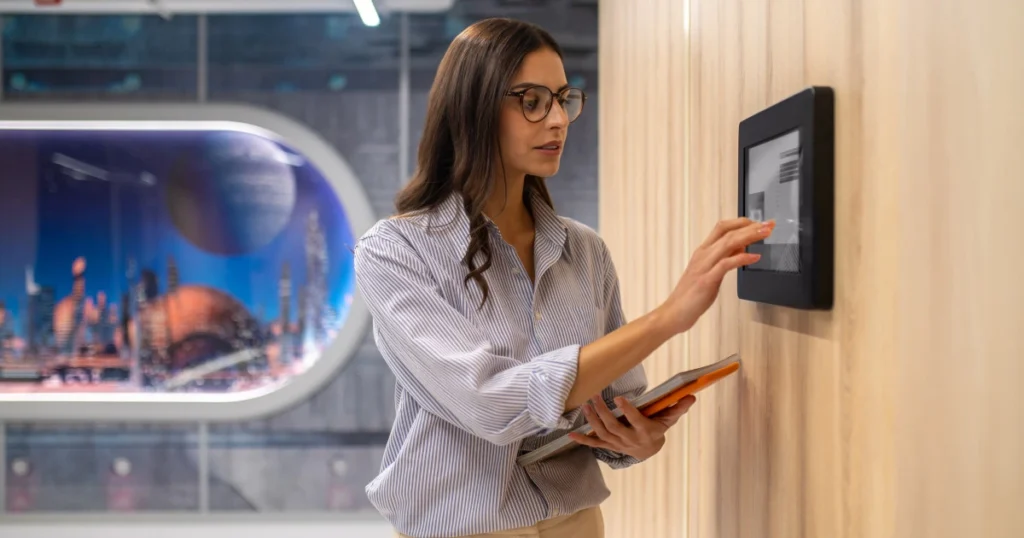
Additionally, faulty or poorly maintained entry systems—such as malfunctioning gates, intercoms, or access controls—can create security loopholes that make it easier for unauthorized individuals to enter the premises. In more advanced setups, an integrated apartment video security system helps identify and document such failures more effectively.
If these vulnerabilities are not regularly monitored and addressed, they can increase the likelihood of intrusions and compromise overall building security. This is why many modern properties are shifting toward apartment remote video monitoring solutions that provide real-time oversight, faster response, and stronger enforcement within a complete security system for apartment buildings.
Lack of System Integration
Many older apartment buildings and complexes often rely on separate, standalone security systems rather than a unified setup. In such cases, surveillance cameras typically operate independently without being connected to other security components. Access control systems, such as key cards or biometric entry systems, are also managed separately, and alarm systems function in isolation without integration with cameras or access logs. Because these systems do not communicate with each other, it becomes difficult to get a complete, real-time view of an incident when it occurs. As a result, identifying and responding to security threats takes longer, making the overall response time slower and less efficient.
Delayed Response to Security Incidents
Even when threats are detected, action may be slow.
This happens due to:
- Lack of real-time alerts
- Poor coordination between teams
- Manual reporting delays
As a result, incidents may escalate before help arrives.
The Need for Smarter Security Solutions
The challenges in traditional security system for apartment buildings clearly highlight the growing need for smarter and more advanced solutions in residential complexes. Modern technologies are designed to overcome the limitations of passive and disconnected systems by enabling more proactive apartment complex security.
These solutions include AI-based surveillance systems that can automatically detect unusual activity and strengthen a camera system for apartment complex by adding intelligent analysis instead of simple recording. Real-time alert systems further enhance protection by notifying security personnel immediately when a threat is identified, improving the effectiveness of an apartment video security system.
Smart access control systems also play a key role by providing stronger and more reliable entry management, reducing vulnerabilities such as unauthorized entry and tailgating. . According to data from the National Multifamily Housing Council resident safety research, combining access controls with apartment remote video monitoring, these systems help ensure continuous oversight and faster response to incidents across the property.
Additionally, centralized monitoring platforms integrate multiple security functions—such as cameras, alarms, and access logs—into a single system. This unified approach improves coordination and makes it easier to manage a complete security system for apartment buildings efficiently.
Overall, these advanced tools significantly enhance both prevention and response, helping create a safer and more secure living environment with stronger apartment complex security and more reliable apartment video security system performance.
How Remote Guarding Redefines Multi-Family Security
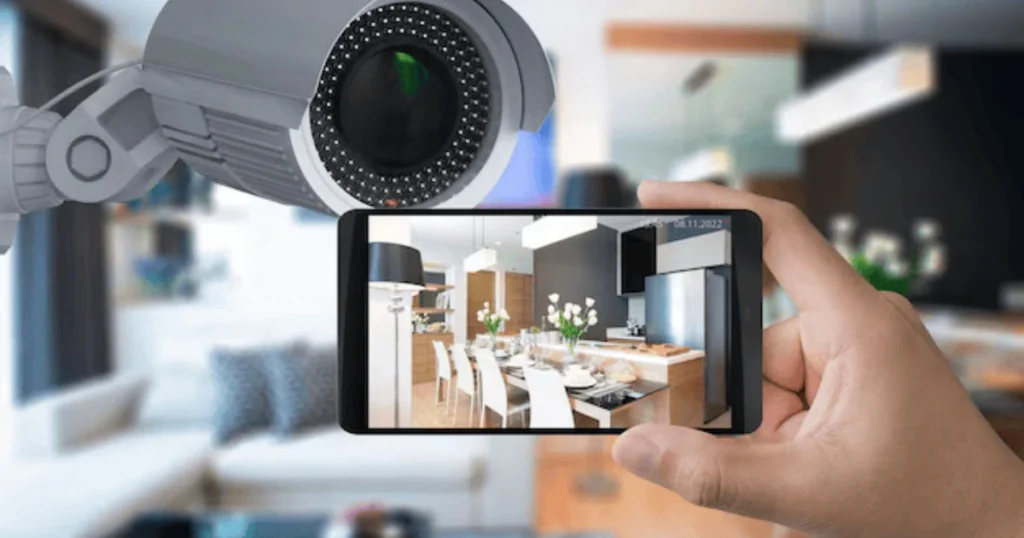
Remote guarding transcends the limitations of traditional methods by combining advanced technology with expert human intervention. Essentially, it transforms your existing cameras into an active, intelligent defense system..
1. 24/7 Proactive Deterrence
Instead of just watching, OHZ’s remote guarding solution actively intervenes. Our trained operators monitor your property around the clock. When an unauthorized individual is detected in a restricted area, they immediately issue a live, verbal warning. This powerful voice-down typically deters intruders before any damage or theft occurs.
2. Enhanced Coverage Without Excessive Cost
Deploying enough on-site guards to cover an entire complex 24/7 is financially unfeasible for most properties. Remote guarding, on the other hand, leverages your existing camera infrastructure and our central monitoring station to provide comprehensive coverage at a fraction of the cost. You get a fully vigilant security presence without the overheads of physical guards.
3. Reduced False Alarms
A common frustration for any property manager is the endless stream of false alarms. Our AI security verification technology differentiates between real threats and benign activity (like animals or blowing debris). This means fewer wasted resources and more confidence that when an alert is flagged, it’s a genuine concern.
4. Rapid, Verified Response
When a threat is verified, our operators don’t just record it. They initiate immediate action. This could be a voice deterrent, an alert to on-site personnel, or a direct dispatch to law enforcement with precise, real-time information. This verified response ensures faster, more effective intervention.
5. Improved Resident Peace of Mind
Ultimately, a truly secure environment fosters peace of mind for residents. Knowing that a proactive system is actively monitoring and protecting their homes, vehicles, and common spaces significantly enhances satisfaction. This translates directly to higher retention rates and a more attractive property.
Addressing Unique Demands of Apartment Security

A modern apartment complex is not like a single home or office. Instead, it works as a shared living space with constant movement. Therefore, apartment complex security requires a smarter and more flexible approach supported by a reliable security system for apartment buildings.
These environments usually have:
- High foot traffic throughout the day
- Shared spaces like lobbies and parking areas that need consistent apartment complex security coverage
- Multiple entry and exit points that must be monitored through a structured camera system for apartment complex
- Frequent deliveries and visitor movement that increase the need for a responsive apartment video security system
As a result, traditional security methods often fall short when used alone. They struggle to keep up with daily activity levels and dynamic risks. This is why many communities are adopting apartment remote video monitoring and integrated security system for apartment buildings solutions to maintain real-time visibility, improve response times, and strengthen overall apartment complex security across the property.
Smarter Approach to Residential Property Security Remote Monitoring
To handle these challenges, residential property security remote monitoring offers a better solution. It improves visibility and response across the entire property.
Remote guarding helps by providing:
- 24/7 visibility across all common areas
- Real-time threat detection and alerts
- Faster response to suspicious activity
- Scalable protection for buildings of any size
- Consistent monitoring without human fatigue
Therefore, security becomes more proactive instead of reactive.
Benefits for Residents and Property Managers
Remote guarding improves safety for everyone in the building. It also supports smoother property operations.
- Residents feel safer in shared spaces
- Managers gain better control over security risks
- Incidents get detected and handled faster
- Security coverage remains consistent day and night
In addition, it reduces dependence on manual monitoring.
Remote Guarding vs Guards Cost Matrix
Security costs can rise quickly in a modern apartment complex. Traditional guard staffing often needs a large budget. However, it does not always deliver full coverage or fast response.
Therefore, many property managers now compare options like guards, CCTV systems, and OHZ remote guarding.
Cost Comparison between Traditional Guards vs Remote Guarding
The table below shows how costs change based on property size.
| Property Size | Guards Annual Cost | CCTV Only Cost | OHZ Remote Cost | Savings |
|---|---|---|---|---|
| 100 Units | $429K | $65K | $3.2K | 92% |
| 250 Units | $685K | $95K | $4.8K | 93% |
| 500+ Units | $1.2M | $285K | $8.5K | 99% |
As the data shows, costs increase sharply with traditional guards. In contrast, remote guarding stays highly cost-efficient.
Why Remote Guarding Costs Less
Remote guarding delivers a more cost-efficient apartment complex security model by replacing resource-heavy on-site staffing with centralized, technology-driven monitoring supported by trained operators. This shift is especially valuable in a modern security system for apartment buildings, where continuous coverage is required without escalating operational costs.
One of the primary cost savings comes from eliminating the need for large on-site security teams. Traditional guarding models often require multiple guards per shift to ensure full coverage of entrances, perimeters, and high-risk zones. Remote guarding reduces this dependency by enabling a smaller number of operators to monitor multiple locations through an advanced camera system for apartment complex setup from a centralized control center.
It also helps reduce overtime and shift coverage costs. On-site security teams typically require 24/7 scheduling, including night shifts, weekends, and holiday coverage, which can quickly increase payroll expenses. With apartment remote video monitoring, these gaps are covered more efficiently without the need for constant physical staffing at every location.
Training and management expenses are also significantly reduced. On-site guards require continuous onboarding, supervision, retraining, and administrative oversight. Remote guarding consolidates this workforce into a professionally managed environment, strengthening the overall apartment video security system while ensuring operators are already trained and supported through standardized procedures.
Additionally, centralized monitoring replaces the need for multiple security posts across a property. Instead of maintaining separate guard stations or booths at different entry points, a single remote operations center can oversee the entire site through integrated systems, forming a more efficient security system for apartment buildings with improved visibility and coordination.
Beyond direct savings, remote guarding also improves operational efficiency. Faster threat detection, reduced false alarms, and coordinated response protocols mean fewer wasted resources and more targeted interventions. This combination of lower overhead and higher efficiency makes apartment remote video monitoring a scalable and financially sustainable solution for strengthening apartment complex security across a wide range of properties.
Performance Advantage Beyond Cost
Remote guarding does more than save money. It also improves security performance.
- Provides wider and continuous coverage
- Detects threats in real time
- Reduces human error and fatigue
- Enables faster response actions
Therefore, it delivers better value than traditional security models.
Key Insight
Remote guarding can reduce security costs by up to 90% or more. At the same time, it offers stronger coverage and faster response compared to traditional guard staffing.
Apartment Package Theft Crisis Statistics
Package theft is becoming a serious issue in multi-family housing and modern apartment complexes. Therefore, property managers face growing pressure to improve security around deliveries.
2026 Multi-Family Package Theft Losses
Recent estimates show large financial and trust-related impacts:
- $285M annual loss from package theft
- 42% of apartment complexes report incidents
- Average loss per package: $285
- 28% of residents consider moving after repeated theft
Package theft in multi-family housing causes major financial and trust issues, with about $285 million lost annually. Around 42% of apartment complexes experience theft incidents, and each stolen package averages $285 in loss. Repeated theft also impacts resident satisfaction, with 28% considering moving, and it damages property reputation as well.
In addition, these losses affect both residents and property reputation.
When Package Theft Happens Most
Most theft incidents happen during specific delivery hours.
- Peak risk time: 2 PM – 5 PM
- 78% of incidents occur in this window
- Unattended deliveries increase vulnerability
Most package thefts happen in the afternoon, especially between 2 PM and 5 PM, which accounts for about 78% of incidents. Deliveries left unattended during this peak window are more likely to be stolen, making delivery timing a key factor in prevention.
Therefore, timing plays a key role in theft prevention.
Impact on Residents and Communities
Package theft does more than cause financial loss. It also affects daily life and satisfaction.
- Residents lose trust in building security
- Repeated theft increases frustration
- Some residents consider moving out
- Community safety perception drops
Package theft affects more than just money—it reduces residents’ trust in building security, increases frustration when it happens repeatedly, and can even push some people to consider moving out. Overall, it also lowers the perceived safety of the community, making it harder for properties to retain residents.
As a result, property retention becomes more difficult.
How AI Remote Guarding Helps Prevent Theft
Modern AI remote guarding residential systems can significantly reduce package theft risks.
- Detects suspicious activity in real time
- Sends instant alerts to security teams
- Monitors delivery zones 24/7
- Helps stop theft before it happens
AI remote guarding systems help prevent package theft by monitoring delivery areas in real time and detecting suspicious behavior. They send instant alerts to security teams, provide 24/7 surveillance of package zones, and can help stop theft before it occurs. Overall, they improve both response time and security coverage.
In addition, these systems improve response speed and coverage.
Key Insight
With advanced monitoring systems, properties can prevent up to 95% of package theft incidents. Therefore, real-time surveillance is becoming essential for modern apartment security.AI-driven remote guarding is one of the most effective solutions for reducing package theft in apartment complexes.
Implementing Remote Guarding for Your Residential Property
Adopting remote guarding for your residential property security is a strategic investment that delivers tangible ROI. It significantly reduces operational costs, minimizes incidents, and provides a level of constant vigilance that traditional methods simply cannot match.
FAQs
Remote guarding uses AI + live monitoring to stop theft and unauthorized access in real time across apartments. It costs less than on-site security, deploys fast, protects privacy, and improves safety, insurance savings, and resident satisfaction.
Remote guarding apartment package theft prevention?
AI monitors mailrooms and common areas in real time and triggers live voice deterrence within seconds, stopping most theft attempts before they happen.
Apartment remote guarding vs on-site concierge cost?
Remote guarding typically costs a fraction of concierge staffing (about $38K vs $400K+ annually) while providing 24/7 coverage across the entire property.
Multi-family parking garage security solutions?
LPR gates, cameras, and thermal detection help control vehicle access and reduce break-ins, unauthorized entry, and tailgating.
Remote guarding elevator surveillance best practices?
Best practices for elevator security include dual-angle monitoring (interior cab + exterior hallway views), AI-based anomaly detection, and real-time facial or behavior analytics
Resident privacy apartment remote monitoring?
Privacy is a key design requirement in remote guarding systems. Monitoring typically avoids audio recording in private or semi-private areas and focuses only on common and high-risk zones.
ROI timeline apartment security upgrade?
Return on investment for remote guarding upgrades is often rapid due to reduced theft, lower staffing costs, and insurance savings. In many mid-sized properties (e.g., ~200–300 units), payback periods can be as short as a few months, depending on incident frequency and existing security costs.
Multi-property apartment portfolio management?
For property management companies overseeing multiple complexes, remote guarding platforms provide a centralized dashboard. This allows operators to monitor incidents across all properties in real time, correlate threat patterns between locations, and deploy response protocols uniformly.
Insurance premium reduction remote guarding apartments?
Insurance providers often recognize verified security systems—especially those with documented live response capabilities—as risk-reduction tools.
Remote guarding pool/laundry room protection?
High-traffic amenity areas like pools and laundry rooms benefit from AI motion detection and occupancy monitoring. These systems help enforce after-hours restrictions, detect overcrowding, and prevent unauthorized access.
Apartment gate tailgating prevention?
Tailgating (unauthorized vehicles or pedestrians following authorized entry) is addressed using 3D stereo vision and AI motion tracking.

Security content creator with OHZ Remote Guarding, focusing on advanced asset protection strategies during extended business closures and seasonal risks.