How Advanced Technology is Revolutionizing Property Security
Advanced technology in property security is revolutionizing the way businesses and property managers protect their assets. With innovations like AI, real-time monitoring, and IoT devices, modern security systems offer far more than traditional methods ever could. At OHZ Remote Guarding, we integrate these cutting-edge technologies to provide comprehensive and effective security solutions tailored to your needs.
We further enhance protection through advanced property security technology, delivering smarter threat detection, improved situational awareness, and more efficient management of security operations across properties of all sizes.
The Role of Advanced Technology in Property Security
In recent years, advanced technology in property security has transformed how we safeguard properties. Innovations like artificial intelligence (AI), machine learning, and the Internet of Things (IoT) have improved efficiency, enhanced detection, and provided real-time protection.
- Artificial Intelligence (AI): AI systems analyze video feeds in real time, detecting suspicious behavior and sending instant alerts to security teams.
- IoT Devices: IoT technologies connect cameras, alarms, and sensors to create a cohesive security network that offers continuous coverage and communication across the entire property.
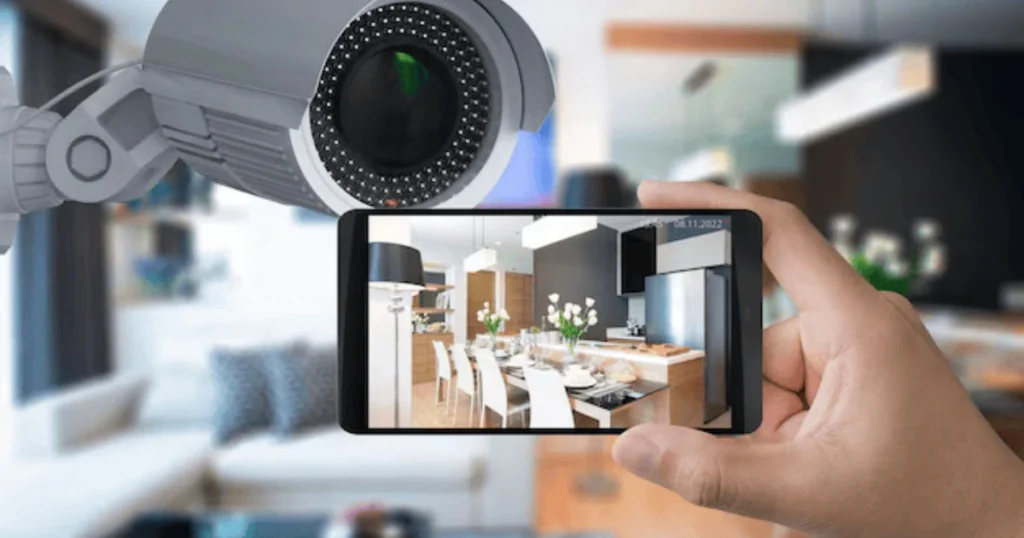
- Mobile Access: With mobile apps, property managers can monitor their facilities from anywhere, providing a flexible and secure way to stay connected.
For more detailed information about AI in security, you can visit our AI-Powered Monitoring Services.
How OHZ Utilizes Advanced Technology
At OHZ Remote Guarding, we implement advanced technology in property security to deliver real-time protection. Our AI-driven monitoring solutions ensure threats are detected and addressed immediately, while our remote guards provide swift, effective responses.
- Real-Time Monitoring: Our systems, powered by AI, continuously scan for unusual activities, enabling a proactive response.
- Mobile Integration: Property managers can access live feeds and receive instant alerts via our mobile app, ensuring constant oversight.
- IoT Integration: OHZ integrates a range of IoT devices to ensure every corner of your property is protected.
If you’re interested in how IoT enhances security, check out our page on IoT Security Solutions.
Benefits of Technology-Driven Security Over Traditional Methods
There are numerous advantages to using advanced technology in property security:
- Faster Response Times: AI and automated systems detect threats faster than human-based surveillance, reducing response time and preventing incidents.
- Cost-Effective: Technology-driven solutions require fewer personnel, cutting down on costs while maintaining higher efficiency.
- Enhanced Flexibility: With mobile apps, property owners can monitor and manage their security systems remotely, giving them greater control.
- Scalability: These systems can scale up easily, providing the perfect fit for businesses of any size, from small offices to large industrial complexes.
For a more in-depth look at cost-effective security solutions, read our article on Hidden Costs of On-Site Security: The Case for Remote Guarding
Real-World Success Stories
OHZ has successfully implemented advanced technology in property security for numerous clients. One of our clients, a large manufacturing plant, was facing recurring issues with theft despite having a traditional security setup. After integrating AI-powered video monitoring and real-time alerts, the plant saw a 70% reduction in theft incidents within three months.
Another example involves a commercial office space that needed tighter control over employee access. By using our biometric access control and IoT-connected cameras, the office management was able to enhance both security and operational efficiency.
Why Choose OHZ?
When it comes to advanced technology in property security, OHZ is a leader in providing innovative solutions. We combine AI, IoT, and real-time monitoring to create a comprehensive security system that offers unmatched protection for your property. With our tailored approach, we ensure that your property is secure 24/7.
Modern Solutions for Protecting Business Assets
With the changing world, modern solutions for business asset protection have become much more complex due to the increase in the number and sophistication of threats. Today, in addition to risks associated with physical violations, including theft, vandalism, and other forms of property destruction and unauthorized intrusion into the protected object, enterprises are exposed to numerous types of cyber attacks, data leaks, and insider sabotage.
Thus, in order to be able to adequately protect its assets, a modern organization needs more advanced technologies that would allow them to monitor their security in real time, enabling a quick response and prevention of potential threats. The use of various modern technologies such as AI, machine learning, cloud computing, IoT, etc., allows creating an intelligent and proactive system that can monitor assets and detect any abnormal behaviors.
These innovations also support remote parking monitoring, helping organizations oversee parking areas remotely, identify suspicious activity, improve vehicle safety, and respond quickly to security incidents in real time.
In connection with all these changes in the world, modern means of protection of business assets have significantly developed since there are more and more sophisticated and numerous ways of threats to business assets. In this context, apart from possible threats related to any kind of violations, including theft, vandalism, and other types of destruction or violation of a protected object, companies also have to be ready to face any possible types of cyber attacks, data leakage, and even insider sabotage.
For this reason, today’s organizations require much more technologically sophisticated approaches and devices to help them ensure protection of their assets in real time in case of any possible threats or abnormalities. Through using various technological methods like artificial intelligence, machine learning, cloud computing, and other technologies, it is possible to create a rather intelligent and proactive system of asset monitoring.
The Shift From Passive to Active Security
Passive Security Systems
The concept of passive security systems implies conventional systems that have been developed for either preventing the occurrence of a security incident in retrospect or recording such events to be studied later on. The most common examples of passive security systems are physical barriers such as door locks, monitoring devices such as video surveillance cameras, and basic alarms that can be installed in offices or any other kind of building.
The first distinguishing feature that one must bear in mind when talking about passive security systems is that they are reactive instead of being proactive. To illustrate, a video surveillance camera will only capture the incident but will not be able to deter the intruder from conducting the activity he or she intends to do during the time of the recording session. Likewise, an ordinary alarm system will notify security personnel only when the incident has already happened. Door locks can also deter any potential threat but only because they have a high capacity for resisting physical damage.
Active Security Systems
Active security systems represent innovative technologies that are capable of detecting, processing, and responding to potential threats at all times. In contrast to passive technologies that start operating when a problem already occurs, active security systems constantly monitor the situation, detect possible risks, and prevent them from happening by taking corresponding actions right away.
The operation of the system involves various sophisticated technological elements such as motion sensors, smart surveillance cameras, biometric access control systems, intrusion detection technologies, and AI algorithms for monitoring purposes. By collecting and analyzing relevant information, the systems are capable of making decisions on what is considered a threat and how to eliminate it effectively.
The first significant benefit of active systems is fast response time when detecting possible risks. Motion detectors and smart cameras can recognize unauthorized movements in protected zones almost immediately and send relevant notifications to security operators. The process takes just a couple of seconds to make sure that potential threats do not affect anything valuable. Moreover, active security systems often use automated processes to protect property when needed.
Advanced Property Security Technologies
The advanced property security technologies are the future generation of security systems that aim to protect assets by virtue of automation and connectivity. These security systems differ from their conventional counterparts in that they utilize artificial intelligence (AI), internet of things (IoT), and cloud computing.
Artificial Intelligence in Security
AI analyzes large volumes of data to detect patterns and anomalies and helps predict threats before they occur. It also improves over time by learning from past incidents, making security systems more accurate and efficient.
Utilize AI-driven anomaly detection to establish real-time threat identification, predictive video analytics, and automated behavior recognition.
Internet of Things Security Systems
IoT connects devices such as CCTV cameras, motion sensors, access control systems, and door sensors. These devices share real-time data with a central system, enabling full visibility and faster response to threats.
Cloud Based Security Solutions
Cloud computing improves scalability and remote access by storing and processing security data on remote servers. This ensures continuous availability of information during emergencies while reducing infrastructure costs.
Smart Security Systems for Modern Businesses
Smart security systems integrate multiple technologies into a unified platform. They provide centralized control, real-time monitoring, and automated threat detection. These systems can also respond quickly by triggering alarms or locking access points when needed.
Key Benefits of Smart Security Systems
Smart security systems are known to have constant surveillance of the enterprise facility where everything is monitored round-the-clock. In addition, they offer integrated dashboards through which everything relating to the system is controlled.
Customized alerts are another advantage provided by smart security systems. These alerts enable companies to set criteria that must be fulfilled before an alert is generated in case of any anomaly. This could include such things as movements during off-hours or use of prohibited areas.
The ability to integrate with existing security systems is another advantage provided by the smart systems. This means that even companies with old security systems can integrate with new ones.
Communication among the members of the team is yet another significant benefit offered by smart security systems. This technology makes it possible to share data instantly and among many locations. This facilitates quick response to any anomalies detected.
In conclusion, smart security systems not only make operations easier but also provide better protection to companies.
Intelligent Security Systems and AI Analytics
Intelligent security systems use AI and machine learning to improve decision-making. They analyze large datasets to identify unusual behavior and predict potential risks.
Core Functions of Intelligent Security Systems
Modern security systems take prediction capabilities to another level because they include predictive intelligence as a core feature. By analyzing the past records related to the previous security incidents, past accesses, and system logs, the organization may predict upcoming threats and risks.
A behavioral analysis approach plays an important role as well. The study of the normal behaviors of users, devices, and network activity helps to determine the “expected” patterns of operations. If any activity deviates from the baseline of the expected behavior, the system detects the threat right away. That increases the chances of detecting not only cyberattacks but also insider threats as well.
Finally, the systems are equipped with the necessary tools for the continuous adaptation to new threats. By applying machine learning algorithms, the system adjusts its models depending on the detected security incidents and new trends. It ensures the continuous effectiveness of the solution.
Real Time Security Solutions
Real-time security mechanisms are characterized by their continuous ability to protect because they monitor their environments or target locations continuously. In contrast to conventional mechanisms that rely on periodic evaluations or retrospective analysis of incidents, real-time security provides constant vigilance and protection from potential security threats immediately as they arise.
To achieve real-time protection, this type of mechanism employs sensors, surveillance mechanisms, intrusion detection software, and AI algorithms. All activities carried out by users of the system are tracked and monitored instantly. Any suspicious activities are flagged, and notifications are sent to security teams almost immediately via the dashboard interface or mobile phones and control panels.
One major advantage associated with real-time security is automation. In most cases, real-time security measures will automatically respond to any security threats in real time by taking appropriate countermeasures such as isolating compromised devices or network segments, preventing unauthorized access to protected resources, or locking restricted locations.
Benefits of Real-Time Security
One of the most prominent advantages associated with real-time security systems is the improvement in visibility. Companies get a clear view of all ongoing actions on a continuous basis, no matter whether the processes happen to be physical or virtual in nature. This allows companies to easily detect any deviations in actions.
Another key advantage associated with real-time security systems is fast response. This is possible because of the ability to detect threats immediately; hence, companies can respond immediately and prevent possible risks associated with security concerns, such as those associated with cyber-attacks.
Real-time systems further enable better coordination between security teams since dashboards help in getting information in one place. In addition, real-time information exchange allows everyone to collaborate efficiently and effectively.
Key Technologies Transforming Security
Artificial Intelligence (AI)
AI enhances threat detection and learns from data continuously.
Advanced Video Analytics
These systems detect unusual behavior and trigger alerts instantly.
Biometric Access Control
Biometric systems ensure secure access control for authorized users only.
Drones and Robotics
Drones improve surveillance and rapid response operations.
Cybersecurity Integration
Cybersecurity tools protect both digital and physical assets together.
Challenges in Implementing Security Systems
However, there are certain problems associated with the application of these technologies, despite the fact that their benefits cannot be overstated. It is worth noting that there are several issues that may be encountered when deploying new systems, and these problems can be related to both productivity and time to implement.
First of all, one of the major issues that should be addressed during deployment is system integration. In many cases, companies utilize various solutions for their security needs; therefore, integration becomes necessary to build one system. Unfortunately, compatibility between different components and limitations on functionality may complicate integration processes, thus reducing the speed of implementation and increasing costs. In other words, system integration is an important process that helps maximize efficiency of a particular solution.
Another problem worth mentioning is the need for comprehensive employee training. The use of new technologies implies changes that are not always understood by employees, especially regarding operation procedures. Thus, there is a need to educate personnel about new tools to increase the chances of proper implementation and avoid possible problems.
Approval from stakeholders is another critical aspect to consider. Many times, upgrading security systems may require considerable amounts of money, and this can lead to a dilemma for decision-makers based on budgeting problems, fear of losing their investment or even potential disruptions that could occur when implementing the project. In such cases, getting ahead and explaining the advantages that will come from upgrading the security system can provide solutions.
It should be noted that the aforementioned obstacles can be easily dealt with by means of proper planning, training programs and cooperation between technology companies and security experts in the organization.
ROI of Advanced Security Investments
Moreover, the ROI of a sophisticated security system exceeds the monetary benefits since it involves the savings generated from decreased expenditures and the strategic advantages. Although there is no denying that advanced security systems require a significant amount of money to implement, their long-term benefits generally exceed any expenditure.
First of all, one should mention that the ROI involves the reduction in thefts, fraud, and operations losses. Modern technologies ensure round-the-clock monitoring, immediate alerts, and automatic reaction to certain situations. In other words, they prevent various issues from emerging and causing serious problems and substantial financial losses.
Secondly, the ROI includes the improvements related to operational efficiency. Security systems are designed to automate the processes. Therefore, there is no need for employees to monitor the systems manually. Moreover, the centralized dashboard enables managing all security instruments with ease.
Finally, insurance rates may fall due to installing security cameras, controlling access, etc. Numerous insurance companies provide discounts to those who invest in reliable security systems.
The Future of Property Security
The process of securing organizations has moved from the conventional way to a new approach where everything is done with great ease through the use of advanced technology. The threats in today’s world have evolved making it important for companies to invest in security technologies that can help them predict, identify, and address potential threats before they materialize.
One of the key elements that are shaping security practices through the integration of technologies is artificial intelligence (AI). Using AI technology, organizations will be able to apply predictive analysis, whereby they analyze the huge amount of historical data available and make predictions on emerging threats. This way, firms will be able to prepare for threats rather than reacting once they are there.
Internet of Things (IoT) is another component that enhances the entire process. Real-time monitoring becomes possible when devices are interconnected allowing them to exchange information with each other. Therefore, sensors, surveillance cameras, and other smart devices can be integrated, creating an integrated security system that responds to any threat immediately.
Cloud solutions provide another level of flexibility and scalability. It enables an organization to store, process and analyze security information regardless of location and size of infrastructure. In addition, cloud technology allows for quick upgrades and integration as well as providing options for disaster recovery, thus making security systems flexible and resilient.
Conclusion
Passive security is no longer enough in modern business environments. Organizations must adopt active, intelligent, and real-time security systems to protect assets effectively. By combining AI, IoT, cloud computing, and human expertise, businesses can build a strong, proactive security strategy that improves resilience, reduces risk, and strengthens long-term trust.
FAQs
Advanced security systems use AI, IoT, and real-time monitoring to detect threats faster, automate responses, and improve property protection. These smart technologies help organizations enhance safety, reduce risks, and strengthen overall security.
What is advanced property security technology?
Advanced property security technology refers to modern security solutions that use AI, IoT, cloud computing, smart surveillance, and real-time analytics to protect properties, assets, and people more effectively than traditional systems.
How do smart security systems improve property protection?
Smart security systems improve protection by providing real-time monitoring, automated alerts, remote access, and intelligent threat detection. They can instantly notify security teams about suspicious activities and even trigger automated responses.
What is the difference between passive and active security systems?
Passive security systems only record or react after an incident occurs, such as traditional CCTV cameras or locks. Active security systems continuously monitor environments, analyze threats in real time, and respond proactively to prevent incidents before they escalate.
How does artificial intelligence enhance security systems?
Artificial intelligence enhances security by analyzing large amounts of data, identifying unusual behavior, reducing false alarms, and predicting potential threats. AI-powered systems can learn patterns and improve their accuracy over time.
Why are real-time security solutions important?
Real-time security solutions are important because they allow immediate threat detection and faster response times. This minimizes damage, reduces security risks, and improves overall situational awareness for organizations.
Can advanced security systems integrate with existing infrastructure?
Yes. Most modern smart security systems are designed to integrate with existing cameras, alarms, access control systems, and monitoring platforms. This helps organizations upgrade security without replacing their entire infrastructure.
What role does IoT play in property security?
The Internet of Things (IoT) connects security devices such as cameras, sensors, alarms, and access systems into a unified network. This enables seamless communication, centralized monitoring, and real-time data sharing across the property.
Are advanced security technologies suitable for financial institutions?
Absolutely. Financial institutions face high-value threats, making advanced security technology essential. Intelligent security systems help protect sensitive data, physical assets, employees, and customers through proactive threat detection and rapid response.
How can organizations justify the investment in advanced security systems?
Organizations can justify the investment through reduced financial losses, lower operational risks, improved compliance, enhanced customer trust, and increased efficiency. Advanced security systems also help prevent costly incidents before they occur.
Is human expertise still important with advanced security technology?
Organizations can justify the investment through reduced financial losses, lower operational risks, improved compliance, enhanced customer trust, and increased efficiency. Advanced security systems also help prevent costly incidents before they occur.

Security content creator with OHZ Remote Guarding, focusing on advanced asset protection strategies during extended business closures and seasonal risks.