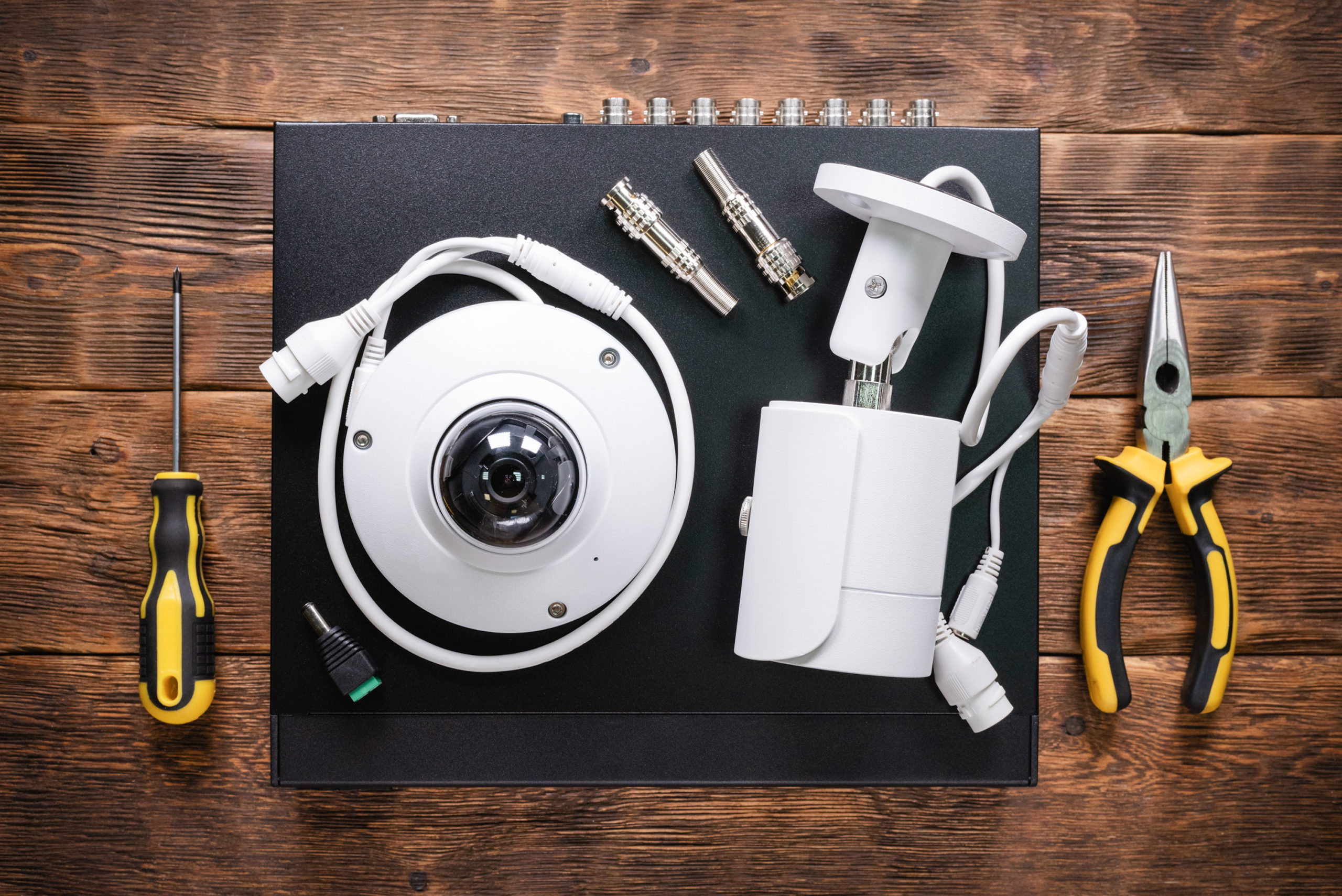





Many business owners believe their monthly bill is the only price they pay for protection. However, the true hidden costs of security go far beyond that fee, especially when you rely on passive systems like traditional CCTV and basic alarms. These “good enough” solutions create a false sense of safety while quietly draining your resources.
This article uncovers these unexpected costs of reactive security and shows why a proactive approach is a smarter investment for your bottom line.
Beyond the Monthly Bill: Uncovering the Real Financial Drain
The core problem with a passive system is that it records events instead of preventing them. Consequently, this single flaw is the source of numerous business problems. Here are the primary hidden costs of security you might be overlooking.
1. False Alarms: A Constant Drain on Your Resources
A stray animal wanders by, and at 3 AM your team is dealing with yet another non-threat. False alarms are more than just an annoyance; in fact, they are a significant financial burden.
- Direct Fees: Many cities and local authorities now issue hefty fines for false police dispatches to conserve their resources.
- Wasted Labor: Furthermore, every false alarm consumes valuable staff time that could be spent on productive work.
- “Alarm Fatigue”: Worst of all, when your system cries wolf too often, your team starts to ignore it. As a result, your staff might miss a real, costly incident when it finally happens.
2. The Price of Reaction: Theft, Vandalism, and Downtime
By the time you review the footage of a break-in, the criminals are long gone, leaving you to deal with the aftermath. According to industry reports from organizations like the National Retail Federation, commercial crime costs businesses billions of dollars annually.
These reactive costs include:
- Replacing stolen inventory and equipment.
- Repairing property damage from vandalism.
- Operational downtime spent dealing with police reports and insurance claims, which directly impacts your revenue.
3. Escalating Insurance Premiums
Insurance providers are experts in risk. Therefore, they know that a property with a history of incidents and a passive security system is a high-risk liability. This reality inevitably leads to higher premiums. On the other hand, investing in a proactive system like OHZ’s remote guarding solution can demonstrate reduced risk and help you negotiate better rates.
The Proactive Shift: Turning an Expense into an Asset
The difference between passive and proactive security is the difference between documenting a loss and preventing one. Proactive systems use modern technology like AI-powered analytics and expert human verification to act in real-time.
This approach directly reduces the hidden costs of security because it:
- Eliminates false alarms through intelligent verification.
- Prevents theft and vandalism with live voice deterrents.
- Protects your brand reputation by maintaining a secure environment.
Stop Paying the Hidden Price of Poor Security
It’s time to re-evaluate what your security system is truly costing your business. If it brings more stress than safety and more unexpected costs than protection, it’s actively working against you.
Understanding the full picture of security costs is the first step toward a smarter, more effective solution.
Contact OHZ today for a free assessment to uncover and eliminate the hidden costs in your security strategy.