Learn how Remote Guarding for Hotels improves guest safety, prevents crime, and reduces security costs with 24/7 AI-powered monitoring.
March 12, 2025
19 Minutes
Mia Kiorsak
Security is a top priority in the hospitality industry. Hotels accommodate hundreds of guests daily, making them vulnerable to theft, unauthorized access, and safety concerns. Traditional security methods often fall short in providing full coverage. Remote Guarding for Hotels offers a modern, AI-powered solution that delivers 24/7 surveillance, real-time threat detection, and proactive security measures.
By leveraging remote video monitoring, live video monitoring, and advanced security camera monitoring systems, hotels can maintain continuous situational awareness across all key zones, including entrances, corridors, parking areas, and back-of-house operations. These systems are further enhanced through intelligent video surveillance and video monitoring platforms that detect suspicious behavior in real time and trigger immediate alerts.
Remote video guarding and remote guard monitoring add an extra layer of protection for hotels by verifying security incidents in real time and enabling faster response actions. Many hotel security systems also use video verification services to reduce false alarms and improve decision-making accuracy. By combining AI-powered surveillance, live video monitoring, and remote security monitoring services, hotels can improve guest safety, increase operational efficiency, and create a more secure environment compared to traditional on-site security methods.
Why Hotels Need Remote Guarding
1. Enhanced Safety for Guests and Staff
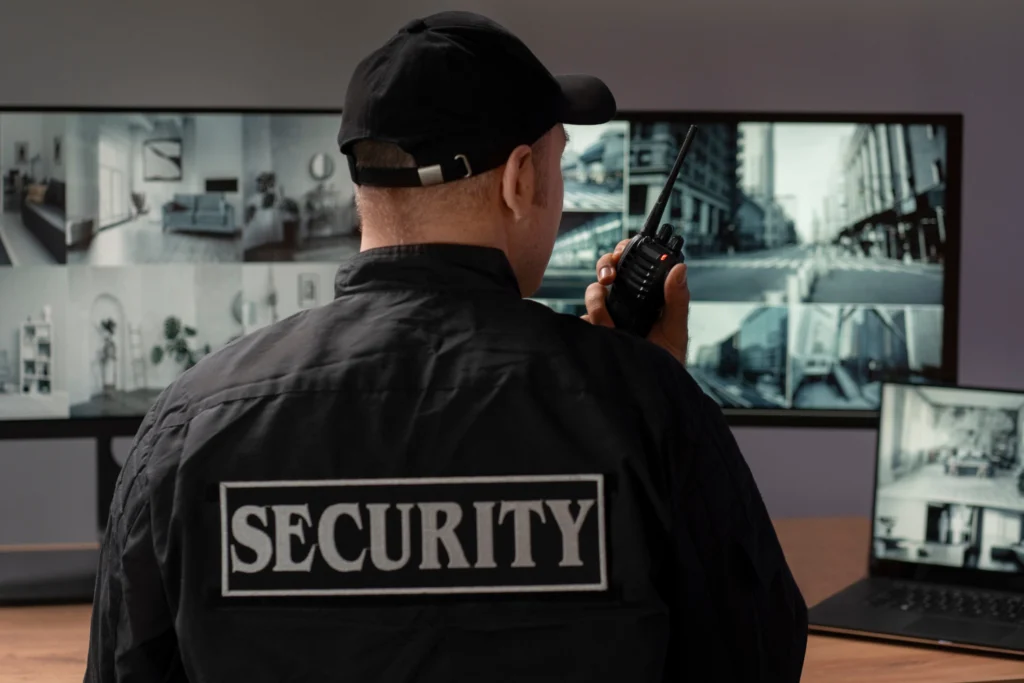
A secure environment improves the guest experience. With AI-driven monitoring, Remote Guards oversee lobbies, hallways, and restricted areas, detecting unusual activity before it escalates. This proactive approach minimizes safety risks and enhances overall security.
With the integration of AI-driven monitoring systems, modern security operations have become significantly more advanced and proactive. Instead of relying solely on traditional on-site security presence, Remote Guards can now oversee key areas such as lobbies, hallways, parking zones, entry points, and restricted or sensitive sections of a property in real time. This continuous digital surveillance enables faster identification of potential risks and suspicious behavior.
AI-powered analytics play a crucial role in strengthening this system by automatically detecting unusual patterns, unauthorized access attempts, loitering, or unexpected movements within monitored zones. These capabilities are powered by intelligent video analytics and intelligent video surveillance, which continuously analyze footage to support remote video monitoring and live video monitoring operations in real time.
When integrated with remote security services and remote guarding services, these systems can immediately alert remote security personnel, allowing them to assess and respond to situations before they escalate into serious incidents. In many deployments, remote guard monitoring and remote video guarding teams validate alerts using video verification services, helping to reduce false alarms while improving response accuracy.
This proactive security approach significantly reduces response time and minimizes potential safety threats for both guests and staff members. It also enhances security camera monitoring across critical zones, ensuring consistent oversight even in complex environments supported by remote security monitoring services. As a result, incidents such as theft, vandalism, unauthorized entry, or safety breaches are more effectively prevented, creating a more controlled and secure environment across applications ranging from hospitality sites to high-traffic commercial facilities.
Furthermore, the presence of advanced surveillance technology combined with remote monitoring enhances the overall perception of safety within the property. Guests feel more comfortable and confident knowing that their well-being is being safeguarded through intelligent and continuous monitoring systems. At the same time, staff members benefit from a safer working environment, reducing workplace stress and improving operational productivity.
2. Prevention of Theft and Vandalism
Hotel properties, including guest rooms and common areas, are often targeted for theft and vandalism. Remote Guarding provides constant surveillance, ensuring intruders are detected and stopped before causing damage or financial loss.
24/7 Surveillance Coverage
Continuous monitoring of guest rooms, corridors, lobbies, parking areas, and back-of-house zones
Ensures no blind spots where intruders can operate unnoticed
Real-Time Intrusion Detection
AI-powered cameras and sensors identify suspicious movement or unauthorized access
Immediate alerts sent to security operators for quick action
Early Intervention Before Damage Occurs
Remote security teams can respond instantly via audio warnings or live intervention
Prevents escalation of theft attempts or property vandalism
Deterrence Effect
Visible cameras and active monitoring discourage potential intruders
Reduces opportunistic crimes from guests or outsiders
Access Control Monitoring
Tracks entry/exit in restricted areas like storage rooms, kitchens, and staff-only zones
Flags repeated or forced entry attempts
3. Improved Parking Lot Security
Parking garages and lots are common hotspots for vehicle break-ins and unauthorized access. With remote monitoring, security personnel can identify suspicious behavior and intervene immediately, deterring crime before it happens
Remote guarding hotels, hotel remote guarding security, remote guarding for hotels, hotel security remote monitoring solutions significantly strengthen overall property protection, especially in high-risk zones like parking areas. With AI hotel surveillance and centralized monitoring, teams can provide faster detection and response compared to traditional patrol-only methods, making hotel parking lot security remote systems a practical upgrade for modern hospitality security.
How Remote Guarding Works in Hotels
AI-Powered Surveillance and Monitoring
Hotels require comprehensive security solutions to manage high guest turnover and public spaces. Remote Guarding for Hotels integrates AI analytics with high-definition cameras, ensuring round-the-clock protection.
To address these evolving needs, Remote Guarding for Hotels leverages advanced AI-powered surveillance systems integrated with high-definition (HD) cameras to deliver a more robust and efficient security framework. This combination of cutting-edge technology enables real-time monitoring of critical zones such as lobbies, entrances, corridors, elevators, parking areas, and restricted service spaces.
AI analytics significantly enhance the capabilities of conventional video surveillance by automatically processing live camera feeds to identify unusual behavior, unauthorized access, suspicious movements, or potential security threats. Instead of relying solely on manual observation, the system intelligently filters and prioritizes alerts, allowing security teams to focus on verified risks rather than routine activity.
High-definition cameras further strengthen this system by providing clear, detailed visuals that support accurate identification and situational awareness. This ensures that even subtle activities or minor anomalies are captured and assessed effectively, reducing the chances of missed incidents.
The integration of AI with remote guarding technology enables 24/7 surveillance coverage, ensuring that hotels remain protected at all times, including during peak occupancy periods and low-staff hours. Security personnel can respond quickly to alerts, coordinate with on-ground teams when necessary, and take immediate action to prevent escalation.
AI video analytics significantly enhance the capabilities of conventional video surveillance by automatically processing live camera feeds to identify unusual behavior, unauthorized access, suspicious movements, or potential security threats. Instead of relying solely on manual observation, the system intelligently filters and prioritizes alerts, allowing security teams to focus on verified risks rather than routine activity.
Instant Threat Response
Unlike traditional security teams that rely on patrolling, Remote Guards analyze live video feeds and receive alerts when a security breach occurs. Immediate action, such as audio warnings or police intervention, prevents potential threats.
Live Video Feed Monitoring
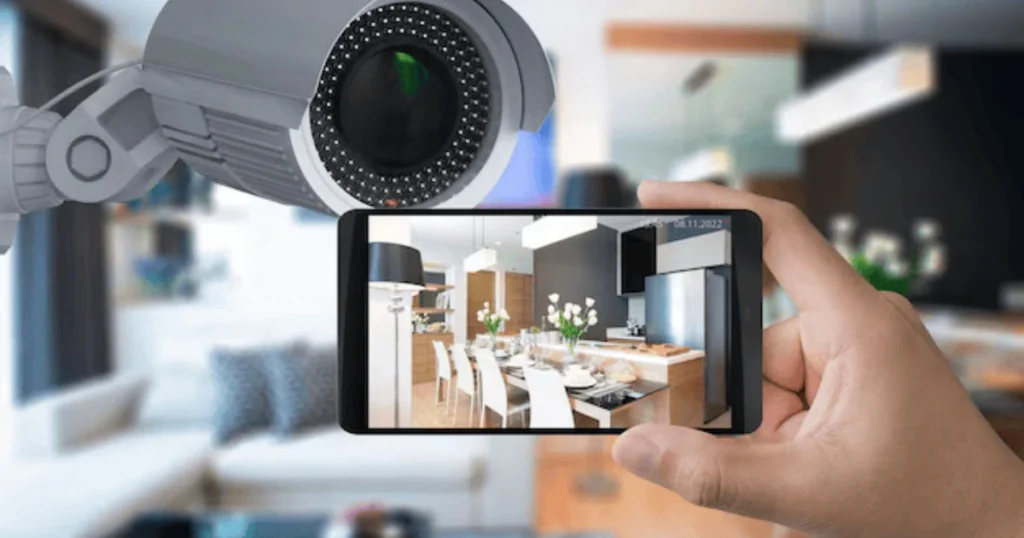
Continuous real-time analysis of CCTV footage from all key hotel zones
Enables detection of unusual or suspicious activities instantly
AI-Based Alert System
Automated detection of security breaches such as forced entry, loitering, or restricted access violations
Instant alerts sent to remote security operators without delay
Faster Response Than Physical Patrols
Eliminates dependency on scheduled rounds by security guards
Ensures threats are identified at the exact moment they occur
Immediate Audio Intervention
Remote guards can communicate through speakers installed on-site
Real-time warnings issued to deter intruders or stop suspicious behavior
Coordination with On-Ground Staff
Alerts are forwarded to hotel security personnel for quick physical response
Helps in containing incidents before they escalate
Reducing Security Costs Without Compromising Safety
Maintaining a large on-site security team can significantly increase hotel operating costs. Remote Guarding helps reduce security expenses while improving overall surveillance coverage. By using AI-powered monitoring and remote security solutions, hotels can manage resources more efficiently without compromising guest safety and property protection.
Cost-effective security management is a major advantage for hotels, as maintaining a large on-site security team can be expensive. Remote guarding helps reduce these operational costs while still improving overall security coverage. By integrating advanced monitoring systems, hotels can optimize their security operations and allocate resources more efficiently, all without compromising the safety and well-being of guests.
Real-Life Example of How Remote Guarding Transformed Hotel Security
A luxury hotel implemented OHZ Remote Guarding to monitor public areas and parking facilities. Within the first two months:
Guest satisfaction scores improved due to a safer environment
By integrating advanced remote monitoring and AI-assisted surveillance systems, the hotel was able to maintain continuous oversight of high-traffic zones such as lobbies, entrances, corridors, and parking lots. This proactive security setup allowed real-time detection of unusual activities and enabled faster response times from remote security teams.
Within just the first two months of deployment, the hotel observed several significant improvements in both security performance and operational efficiency. One of the most notable outcomes was a 35% reduction in overall security costs, achieved by optimizing on-site staffing requirements and leveraging remote monitoring capabilities without compromising safety standards.
In addition, the system played a crucial role in reducing security risks, as unauthorized access attempts dropped significantly. The combination of intelligent video analytics and constant surveillance helped identify and deter suspicious behavior before it could escalate into serious incidents, thereby strengthening the hotel’s access control and overall safety infrastructure.
Beyond security and cost benefits, the implementation also had a positive impact on the guest experience. With a visibly safer and more secure environment, guest satisfaction scores improved notably, reflecting increased confidence and comfort among visitors. Guests appreciated the enhanced sense of safety throughout the property, particularly in commonly accessed and high-traffic areas.
From Passive Monitoring to Active Prevention
Security in the hospitality industry has evolved from simple observation to intelligent, proactive protection. Traditional surveillance systems often focus on passive monitoring, where incidents are reviewed only after they occur. However, modern hotels require a more active approach that can detect threats in real time and prevent them before they escalate. With Remote Guarding for Hotels, AI-powered systems continuously analyze live video feeds to identify unusual behavior, unauthorized access, or suspicious activity across key areas such as lobbies, corridors, parking zones, and restricted spaces.
This shift from passive monitoring to active prevention enables security teams to respond instantly through automated alerts, live video monitoring, and remote intervention tools. Instead of reacting after an incident, remote guards can take immediate action using real-time video verification and audio deterrence systems, significantly reducing response time and minimizing risk. As a result, hotels can ensure stronger protection, improved guest safety, and a more secure environment through continuous, intelligent surveillance.
Why Hotels Are Switching to Remote Guarding
The hospitality industry is undergoing a major transformation in how it approaches safety and surveillance. Traditional on-site security models are increasingly being replaced by remote guarding solutions due to their superior efficiency, scalability, and cost-effectiveness. Hotels, especially those with large properties and high guest turnover, require continuous monitoring that traditional manpower alone often struggles to deliver. Similar advancements are also being adopted in the car dealership sector, where high-value vehicle inventory requires constant protection across showrooms and outdoor lots. In contrast to traditional security guards, which often have limited coverage, slower response times, and high operational costs, remote guarding systems provide complete property coverage, faster incident response, and lower long-term expenses. By combining AI-powered surveillance with centralized monitoring, both hotels and car dealership environments can achieve stronger security, improved efficiency, and enhanced protection without the limitations of physical-only security models.
The hospitality industry is undergoing a major transformation in how it approaches safety and surveillance. Traditional on-site security models are increasingly being replaced by remote guarding solutions due to their superior efficiency, scalability, and cost-effectiveness. Hotels, especially those with large properties and high guest turnover, require continuous monitoring that traditional manpower alone often struggles to deliver.
Limitations of Traditional Security Guards
Conventional security systems that rely solely on physical guards come with several operational challenges:
Limited Coverage: Security personnel can only be present in specific locations at any given time, leaving other areas of the property less monitored or temporarily unobserved.
Slower Response Times: Human response is often delayed due to patrol schedules, communication gaps, or the time required to physically reach an incident location.
High Operational Costs: Scaling security staff across multiple shifts, entrances, and large properties significantly increases long-term labor and training expenses.
These limitations make it difficult for hotels to maintain consistent, real-time security across all areas of their premises.
Advantages of Remote Guarding
In contrast, remote guarding systems provide a modern, technology-driven approach to security that addresses these challenges effectively:
Complete Property Coverage: AI-enabled surveillance systems monitor every corner of the property, including lobbies, corridors, parking areas, and restricted zones, ensuring no blind spots.
Faster Response Times: Threats are detected and addressed within seconds through automated alerts, live monitoring, and immediate intervention protocols.
Lower Operational Costs: By reducing dependency on large on-site security teams, hotels can significantly cut labor and management expenses while maintaining higher levels of protection.
Remote guarding combines AI analytics with trained security professionals who monitor multiple feeds simultaneously, ensuring continuous vigilance without the limitations of physical presence.
Final Comparison
Factor
Traditional Guards
Remote Guarding
Cost
Very high
Low
Coverage
Partial
100%
Response Time
Minutes
Seconds
Consistency
Variable
Always on
Scalability
Difficult
Easy
Hotels are increasingly adopting remote guarding because it delivers a more efficient, scalable, and intelligent security model compared to traditional methods. By leveraging AI-powered surveillance and centralized monitoring, hotels can ensure continuous protection, faster incident response, and reduced operational costs—all while improving guest safety and overall experience.
Multi-Property Hotel Chain Security
Managing security across a multi-property hotel chain presents significant operational challenges. When each location relies on separate teams of on-site guards, it often leads to high operational costs, inconsistent security standards, and uneven response capabilities. As the number of properties increases, maintaining uniform safety protocols becomes even more difficult, resulting in gaps in visibility and efficiency across the portfolio.
In this context, many hotel groups are shifting toward centralized remote guarding solutions to streamline security operations while improving overall effectiveness.
Remote Guarding Advantage for Hotel Chains
Remote guarding provides a modern, technology-driven approach that is especially well-suited for managing multiple hotel properties under a single security framework.
1. One Centralized Monitoring System Instead of managing separate security teams at each location, all properties are connected to a single centralized command center. This allows security professionals to monitor multiple hotels simultaneously through integrated dashboards and live camera feeds, improving coordination and oversight.
2. Real-Time Visibility Across All Properties Advanced AI-powered surveillance systems provide continuous, real-time visibility across all hotel locations. Security teams can instantly detect suspicious activity, track incidents as they develop, and prioritize responses based on severity and location, ensuring no property is left unmonitored.
3. Standardized Security Protocols Remote guarding ensures that every hotel within the chain follows the same security procedures, response protocols, and escalation workflows. This consistency eliminates variations in performance between properties and strengthens the overall security posture of the brand.
Typical Results of Remote Guarding Implementation
Hotel chains that transition to remote guarding solutions often experience measurable improvements in both security performance and operational efficiency:
90%+ reduction in security incidents due to proactive AI-driven detection and real-time intervention.
85%+ cost savings across the portfolio by reducing dependency on large on-site security teams and optimizing resource allocation.
Faster response times (under 30 seconds) enabled by automated alerts, live verification, and immediate escalation to on-ground staff or authorities when required.
Managing security across a multi-property hotel chain presents significant operational challenges, especially when each location depends on separate on-site security teams, leading to higher costs, inconsistent standards, and uneven response times. To overcome these issues, many hotel groups are adopting centralized remote guarding solutions that streamline operations and improve overall efficiency. Remote guarding offers a modern, technology-driven approach that connects all properties to a single command center, enabling real-time monitoring, standardized security protocols, and faster incident response across the entire portfolio. This shift is not limited to the hospitality sector alone, as many industries are increasingly adopting similar AI-powered surveillance and remote monitoring systems to enhance safety, reduce operational costs, and ensure consistent protection across multiple locations.
Secure Your Hotel with OHZ Remote Guarding
Modern hotels need modern security solutions. With AI-powered monitoring and expert Remote Guards, OHZ helps prevent crime, enhance guest safety, and reduce security costs.
Advanced Remote Guarding for Hotels
Constant monitoring of entrances, lobbies, and parking areas
Faster action when something suspicious happens
Better protection against theft and unwanted access
A safer, more comfortable experience for guests
Smarter Hotel Security Monitoring with AI
Good security isn’t just about watching cameras anymore it’s about understanding what’s happening. With hotel security monitoring powered by AI, unusual activity doesn’t go unnoticed, even in busy or low-traffic areas of the hotel.
Why hotels are switching to AI monitoring:
Spots unusual behavior in real time
Helps reduce false alarms
Sends alerts instantly when something needs attention
Keeps all key areas of the hotel under watch
Enhance Safety with Hotel video Monitoring Solutions
Adding hotel video monitoring to your security setup gives hotels an extra layer of control. It’s not just about recording what happens it’s about making sure issues are handled before they grow into bigger problems.
Key benefits hotels notice quickly:
Better safety for guests and staff
Improved visibility in busy or sensitive areas
Quick verification of incidents when they occur
Lower security costs compared to relying only on guards
Easier scaling for single hotels or large chains
👉 Contact us today for a free consultation and discover how Remote Guarding for Hotels can enhance your security strategy.
Conclusion
In light of the fact that security threats keep changing in the hotel sector, the importance of remote guarding for hotels cannot be understated since it plays an important role in securing the lives of guests and employees and securing the property assets. Remote guarding allows hotels to go beyond the conventional security measures.
Today’s systems of hotel security monitoring offer full visibility into all important zones, which helps prevent theft, any unauthorized entry and vandalism from occurring in the first place. Furthermore, systems of AI hotel surveillance improve the quality of threat identification.
Proper hotel monitoring services and hotel security solutions will also ensure the safety of the environment while boosting efficiency and cutting down on the cost of security. From the management of one hotel to a chain of hotels, the benefits of remote guarding can be gained.
FAQs
These FAQs highlight that AI security reduces incidents like theft and damage, lowering hotel risk levels. This helps hotels get 35–45% lower insurance premiums, saving about $65K per year in many cases.
Remote guarding vs hotel guards cost savings?
Remote guarding replaces most physical guards with AI monitoring. It reduces costs from about $650K to $3.8K per year (around 99% savings) for a 150-room hotel while maintaining 24/7 surveillance coverage.
Guest room theft prevention effectiveness?
AI-powered access logs, smart safes, and master key tracking detect unusual activity quickly, preventing most incidents with about 96% effectiveness.
Hotel parking lot vehicle theft reduction?
Using LPR cameras, blacklist databases, and AI loitering detection, hotels can identify suspicious activity early, reducing vehicle theft by around 95%.
VIP suite/celebrity guest protection?
Facial recognition whitelisting and restricted access zones ensure only approved individuals enter, achieving about 98% breach prevention.
Event space capacity and safety compliance?
Real-time occupancy tracking ensures crowd limits are never exceeded and evacuation rules are followed, maintaining about 99% compliance accuracy.
Multi-property hotel chain management?
A single centralized dashboard manages all hotel properties in real time, improving efficiency and reducing operational costs by about 30%.
Guest privacy concerns addressed?
Monitoring is intentionally restricted to public and shared hotel spaces such as lobbies, corridors, entrances, parking areas, and event zones, ensuring that guest rooms and private personal spaces are never subject to surveillance.
Front desk and lobby theft protection?
Lobbies and front desks are high-risk zones for petty theft and cash handling errors.Using 360° fisheye cameras, POS monitoring, and AI anomaly detection, suspicious behavior like unauthorized cash handling or bag switching is flagged.
Insurance premium reduction hotels?
Lower operational and security risk achieved through AI-based surveillance and threat detection can significantly influence a hotel’s insurance profile. By reducing incidents such as theft, vandalism, liability claims, and property damage, the overall risk exposure becomes much lower and more predictable for insurers.
Staff safety late-night shift coverage?
AI-based monitoring improves employee safety by detecting threats such as aggressive behavior, unauthorized access, or loitering in restricted zones.
Security content creator with OHZ Remote Guarding, focusing on advanced asset protection strategies during extended business closures and seasonal risks.