Remote Guarding and Other Ways To Keep Your Hotel Secure
The success of your hotel relies on many factors, including safety, which is paramount for both guests and employees. Ensuring that your hotel security solutions are up-to-date is critical to running a successful business. Here are some practical strategies to keep your hotel secure and safeguard your customers’ experiences.
Guests expect a safe environment, and employees rely on secure systems to perform their duties confidently. That’s why keeping your hotel security solutions updated is critical for smooth operations and long-term success.
Below is your enhanced, expanded guide—keeping your original content intact while adding deeper insights, modern strategies, and improved readability.
Security Measures for Business Owners
1. Regular Safety Meetings with Staff
It’s essential to conduct safety drills, such as fire drills, active shooter scenarios, and evacuation exercises. Training your staff to handle emergencies ensures they know exactly how to respond and protect themselves and guests when urgent situations arise.
Best Practices:
- Conduct monthly refresher training sessions
- Assign emergency response leaders for each shift
- Use real-life scenario simulations for better preparedness
2. Enforce Staff Uniforms
Wearing clean, professional uniforms can make staff easily recognizable to guests and convey a sense of safety and trust. Additionally, uniforms contribute to the overall aesthetic and brand image of your hotel, creating a polished and professional environment.
Security Advantages:
- Helps identify unauthorized individuals pretending to be staff
- Makes it easier for guests to seek assistance
- Improves operational control across departments
3. Upgrade Locks for Enhanced Security
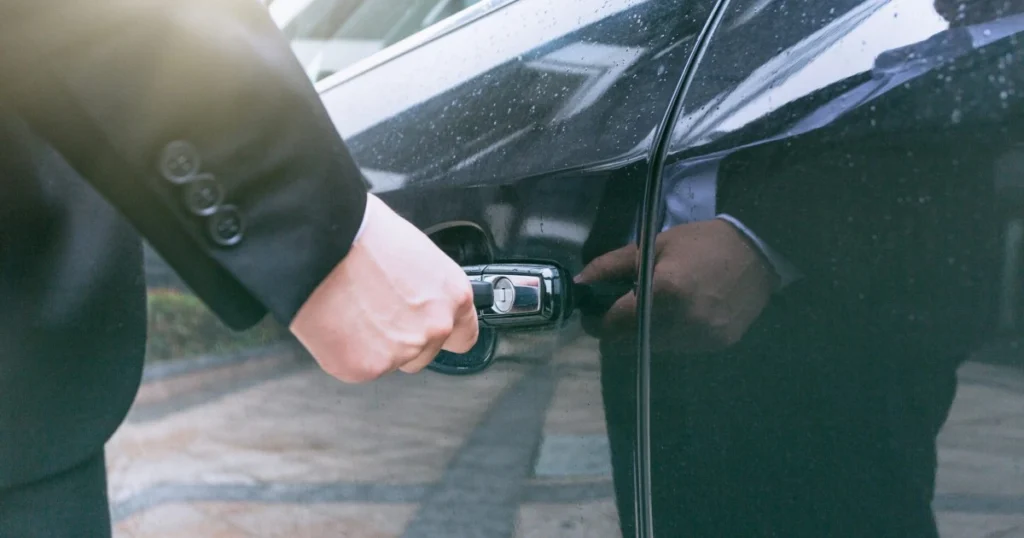
Old, rusty locks can be a significant security risk. Replacing them with modern deadbolt locks strengthens security by preventing unauthorized access. This upgrade is especially important when considering previous guests or contractors who might still possess copies of outdated keys.
Modern Upgrade Options:
- Keycard access systems
- Mobile-based digital keys
- Smart locks with audit trails
4. Install CCTV and Utilize Remote Monitoring
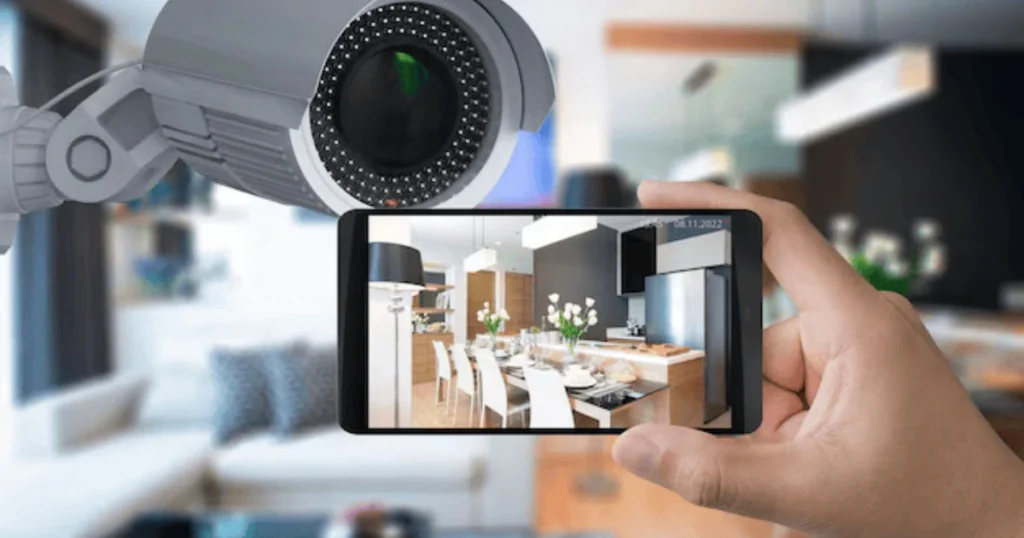
Installing security cameras throughout the hotel is essential. However, combining CCTV with remote monitoring adds an extra layer of protection. Remote Guards can oversee the activity on your premises 24/7, detect every person entering or leaving, and even function as virtual doormen to grant or deny access. This integrated solution greatly enhances hotel security.
Why This Matters:
- Enables real-time threat detection (not just recording)
- Allows immediate response through live monitoring
- Reduces reliance on multiple on-site guards
- Ensures continuous 24/7 coverage without blind spots
For more insights, visit our article: Does your business need remote security?.
Hotel Security Threat Statistics
Modern hospitality environments face increasing security risks, especially during late-night hours. As a result, hotels must adopt proactive strategies to prevent incidents and reduce financial losses.
Annual Hospitality Losses
Security threats in hotels lead to significant financial impact each year. Key areas of concern include:
- Guest room theft: Over $750M+ in annual losses
- Parking & valet theft: Approximately $400M in vehicle-related incidents
- Event space vandalism: Around $250M in property damage
- Staff shrinkage: Nearly $180M lost due to internal theft
- Peak risk window: 70% of incidents occur between 10 PM – 4 AM
Liability Exposure
Beyond theft and damage, hotels also face serious legal and financial risks. Therefore, strong security measures are essential to minimize liability.
- Slip-and-fall claims: Average $45,000 per case
- Guest assault lawsuits: Can exceed $2M in settlements
- Customer retention impact: Security failures reduce repeat bookings by 33%
These statistics highlight the urgent need for modern security solutions. By addressing risks proactively, hotels can reduce losses, protect guests and staff, and maintain a strong brand reputation.
Complete Hotel Security Coverage Blueprint
A well-secured hotel requires more than just cameras—it demands strategic placement and complete coverage. By designing a structured surveillance layout, hotels can eliminate blind spots and ensure every critical area is monitored effectively.
Example: 200-Room Hotel Deployment
To achieve full visibility and proactive protection, a typical deployment may include:
- Valet & Parking Areas: 8 PTZ cameras + 4 LPR cameras for vehicle tracking and incident monitoring
- Main Lobby: 4 fisheye 360° cameras for complete front-desk visibility
- Elevators: 6 tamper-proof dome cameras to ensure passenger safety
- Corridors: 2 PTZ cameras per floor (8 floors) for continuous hallway monitoring
- Event Spaces: 6 PTZ cameras to manage large gatherings and activities
- Back-of-House Areas: 12 dome cameras for staff zones and operational security
- Perimeter & Pool Areas: 10 thermal cameras for low-light and night-time detection
Total Coverage:
58 strategically placed cameras delivering full property visibility
This structured approach ensures that no area is left unmonitored. As a result, hotels can achieve complete CCTV remote monitoring, faster threat detection, and improved incident response. In addition, comprehensive coverage enhances guest safety, reduces liability, and strengthens overall security performance.
With strategic camera placement and effective hotel ad monitoring, hotels can eliminate blind spots, improve threat detection, and maintain complete property-wide security coverage.
Advanced Hotel Security Strategies

To stay ahead of evolving risks in 2026, hotels must adopt a layered security approach. By combining multiple technologies and processes, properties can prevent threats before they occur while maintaining a safe and welcoming environment for guests.
Access Control Systems
Access control is essential for protecting sensitive areas within a hotel. Therefore, restricting entry to authorized personnel helps prevent internal risks and unauthorized access.
- Restrict entry to staff-only zones such as kitchens, storage rooms, and server areas
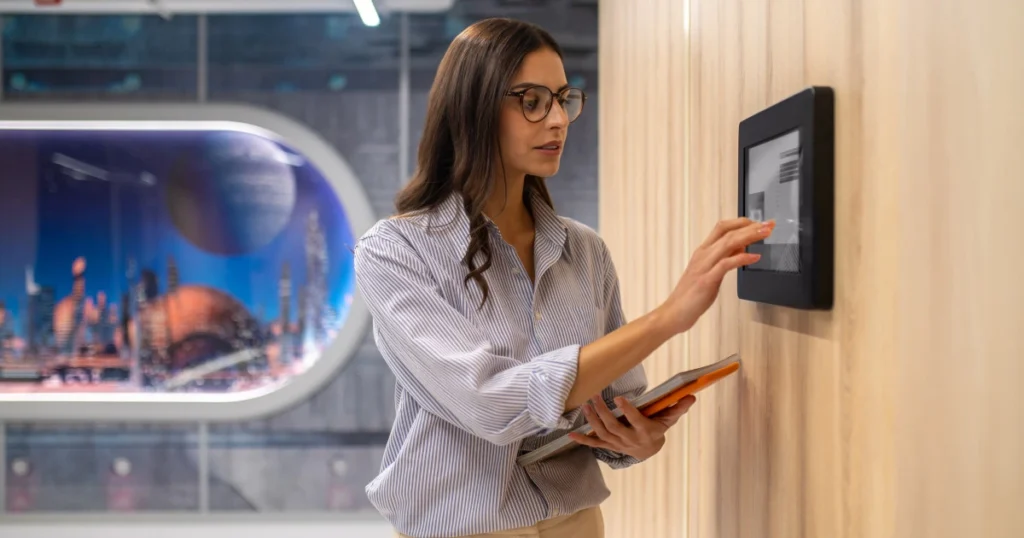
- Use keycard or biometric authentication systems
- Track employee movement with detailed access logs
As a result, hotels gain better control over internal operations and improve accountability.
Perimeter Security
Strong perimeter security acts as the first line of defense against potential threats. In addition, visible security measures help deter criminal activity before it begins.
- Install motion sensors around entrances and parking areas
- Ensure all exterior areas are well-lit
- Add barriers or controlled entry points for restricted access
Consequently, a secure perimeter reduces the chances of unauthorized entry and enhances overall safety.
Guest Verification Systems
Verifying guest identity is crucial for maintaining a secure environment. By implementing modern verification systems, hotels can prevent unauthorized access and improve record accuracy.
- Conduct ID verification during check-in
- Maintain digital guest logs for easy tracking
- Integrate guest data with surveillance systems
Therefore, these systems not only improve security but also streamline operations and guest management.
Security Tips for Hotel Guests
1. Avoid Ground Floor Rooms
Ground floor rooms are often the easiest to break into. Whenever possible, request a room on a higher floor to reduce the risk of unauthorized access through windows or patio doors.This simple choice can significantly improve your personal safety during your stay.
Tip: Floors 2–5 are generally considered the safest. They are high enough to deter intruders, yet still accessible in case of emergencies.
2. Always Lock Windows
Before leaving your room or going to bed, make sure your windows are locked. Unlocked windows are a frequent target for criminals, as they provide quick access to hotel rooms and valuables.Unlocked windows are a common entry point for criminals, as they provide quick and easy access to rooms and valuables.
Extra Tips:
- Double-check balcony doors before sleeping
- Use secondary locks or latches if available
As a result, taking a few extra seconds to secure your room can prevent potential security risks.
3. Install Location Tracking Software
If you are traveling with valuable devices, it’s advisable to pre-install location tracking software. This precaution will help you locate your devices in case they are stolen or misplaced, giving you peace of mind during your stay.In addition, it provides extra peace of mind throughout your trip.
Examples:
- Smartphone tracking apps
- Laptop recovery tools
- Smart luggage trackers
Consequently, even if an incident occurs, you have a better chance of recovering your valuables.
Multi-Property Hotel Chain Management
For hotel groups managing multiple locations, centralized security is essential. Without a unified system, monitoring becomes inconsistent and response times can vary across properties. Therefore, adopting a scalable, centralized solution ensures better visibility, faster response, and consistent protection across all hotels.
Enterprise Features
Modern multi-property security systems provide powerful tools designed for large portfolios. With OHZ Remote Guarding, hotel chains benefit from:
- Real-time threat monitoring across multiple hotel locations
- Centralized dashboard for complete visibility and control
- VIP guest recognition systems for enhanced guest experience
- Volume-based pricing for cost efficiency across large portfolios
As a result, hotel operators can manage security more efficiently while maintaining consistent standards across all properties.
Real Results: 15-Hotel Chain
A hotel group implementing centralized remote guarding achieved significant, measurable outcomes:
- 187 incidents detected and managed proactively
- 92% resolved through real-time audio warnings
- $2.1M in assets protected from theft and damage
- $450K saved in insurance costs
Centralized security transforms multi-property management from a complex challenge into a streamlined, data-driven operation. Consequently, hotel chains can reduce risks, lower costs, and deliver a safer, more consistent guest experience across every location.
Cost vs ROI – 200 Room Hotel
Security is not just an expense—it’s a strategic investment. When comparing traditional methods with modern solutions, the financial impact becomes clear.
Annual Cost Comparison
| Expense | Guards Only | CCTV + Guards | OHZ Remote Guarding | Savings |
|---|---|---|---|---|
| Personnel | $288K | $144K | $18K | $270K |
| Theft Loss | $150K | $75K | $18K | $132K |
| Insurance | $90K | $72K | $63K | $27K |
| Guest Claims | $120K | $90K | $24K | $96K |
| Total | $648K | $381K | $123K | $525K saved |
What This Means
As shown above, OHZ Remote Guarding remote guarding solutions significantly reduce both operational costs and financial risks. While traditional security relies heavily on manpower and reactive measures, remote monitoring prevents incidents before they occur.
As a result, hotels can lower expenses, reduce theft and liability, and improve overall efficiency—all while enhancing guest safety.
Remote monitoring transforms hotel property protection from a cost center into a high-ROI investment. In many cases, preventing just one major incident can cover the cost of the system for years.
Common Hotel Security Gaps
Many hotels unknowingly leave critical vulnerabilities open. As a result, even basic security systems may fail to prevent incidents effectively. Identifying and fixing these gaps can significantly improve safety—often without major investment.
Common Gaps Include:
- Cameras installed but not actively monitored
- Poor lighting in parking areas and entry points
- Shared master keys without proper tracking
- Lack of audit logs for staff access
- Delayed response to security incidents
Therefore, addressing these issues is one of the fastest ways to strengthen overall hotel security.
Benefits of Modern Hotel Security Systems
Implementing advanced hotel security solutions delivers measurable improvements across safety, operations, and cost efficiency. In addition, modern systems help hotels move from reactive responses to proactive protection.
1. Improved Guest Confidence
Guests feel safer in a secure environment. Consequently, this leads to better reviews, higher ratings, and increased repeat bookings.
2. Reduced Theft & Liability
With real-time monitoring and deterrence, incidents are prevented before they escalate. As a result, hotels experience fewer losses and reduced legal risks.
3. Operational Efficiency
Automation and centralized monitoring reduce the need for manual supervision. Therefore, staff can focus on guest service while maintaining high security standards.
4. Insurance Savings
Verified security systems often qualify hotels for lower insurance premiums. In many cases, businesses achieve 20–30% cost savings, improving overall ROI.
How Remote Monitoring Transforms Hotel Security
Traditional security systems only record incidents. However, modern remote monitoring actively detects and prevents threats in real time. This shift from passive to proactive security is what makes the biggest difference.
How It Works:
- Cameras detect motion or suspicious activity instantly
- Live operators verify the situation in real time
- Immediate action is taken through audio warnings or escalation
- Authorities are notified if necessary
Result: Most threats are stopped before they cause damage, ensuring safer environments for both guests and staff.
Comprehensive Hotel Security with OHZ
Implementing strong hotel security solutions is essential for both hotel owners and guests. From upgrading locks to installing CCTV with remote monitoring, each step plays a crucial role in ensuring the safety and satisfaction of your customers. Contact OHZ Remote Guarding to learn how we can enhance your hotel’s security and prevent potential risks.
With OHZ Remote Guarding, hotels benefit from advanced, real-time protection designed for modern threats.
Key Advantages:
- 24/7 live monitoring for continuous security
- Real-time threat detection and rapid response
- Two-way audio deterrence to prevent incidents instantly
- Detailed incident documentation for legal and insurance support
As a result, hotels can move beyond traditional security methods and adopt a smarter, more effective system that ensures complete peace of mind for both guests and staff.
Visit our Contact Page for a free consultation on improving your hotel security.
Conclusion
Investment in good hotel security systems has become very vital in the current hospitality business. The use of advanced technology such as Hotel Surveillance Systems, hotel ad monitoring systems, access control systems, remote guarding, and monitoring among others can provide a safer environment.
In addition to decreasing chances of robberies, destruction of property and potential liabilities, effective Hotel Safety and Security ensures guests feel secure. Regardless of whether you have a small boutique hotel or a chain of hotels, adopting a well-rounded Hotel Security plan will serve to maintain your reputation and assist with business development.
Besides this, the professionals who work in the field of hotel security jobs role in ensuring that a safe and hospitable environment is maintained. In case there are intelligent systems for surveillance along with hotel ad monitoring, any kind of threat can be detected and nipped in the bud.
FAQs
Hotel security is no longer just a precaution—it’s a critical part of delivering a safe and trustworthy guest experience. From modern access control systems to real-time monitoring, implementing the right solutions helps prevent risks, reduce losses, and improve operational efficiency.
Why is hotel security important for business success?
Hotel security directly impacts guest trust, online reviews, and repeat bookings. A safe environment protects guests, employees, and property while reducing liability risks and financial losses.
What are the most common security risks in hotels?
Hotels typically face risks such as unauthorized access, theft, vandalism, guest safety incidents, and employee-related misconduct—especially during late-night hours when monitoring is limited.
How often should hotel staff undergo safety training?
Staff should receive monthly refresher training and participate in emergency drills (fire, evacuation, security threats) at least quarterly to ensure preparedness.
Are traditional locks still secure for hotel rooms?
No. Traditional locks can be easily compromised. Modern solutions like keycard systems, smart locks, and mobile access provide better security and track entry history.
What is the benefit of remote monitoring over regular CCTV?
Regular CCTV only records footage, while remote monitoring provides real-time surveillance. Live operators can detect threats instantly, issue warnings, and respond before incidents escalate.
How can hotels prevent unauthorized access to restricted areas?
By using access control systems such as keycards, biometric scanners, and role-based permissions to limit entry to staff-only zones.
What role does lighting play in hotel security?
Proper lighting deters criminal activity. Well-lit entrances, parking lots, and corridors reduce hiding spots and improve camera visibility.
Do hotel security systems help reduce insurance costs?
Yes. Hotels with advanced security systems and monitoring can receive 20–30% lower insurance premiums due to reduced risk exposure.
How does remote guarding improve hotel security?
Remote guarding combines AI detection with live operators who monitor activity 24/7. They can verify threats, issue real-time audio warnings, and coordinate emergency responses instantly.
Is hotel security only needed for large properties?
No. Small and mid-sized hotels are often more vulnerable due to limited staff and resources, making security systems even more critical.

Security content creator with OHZ Remote Guarding, focusing on advanced asset protection strategies during extended business closures and seasonal risks.