Business Video Surveillance Systems for 24/7 Security
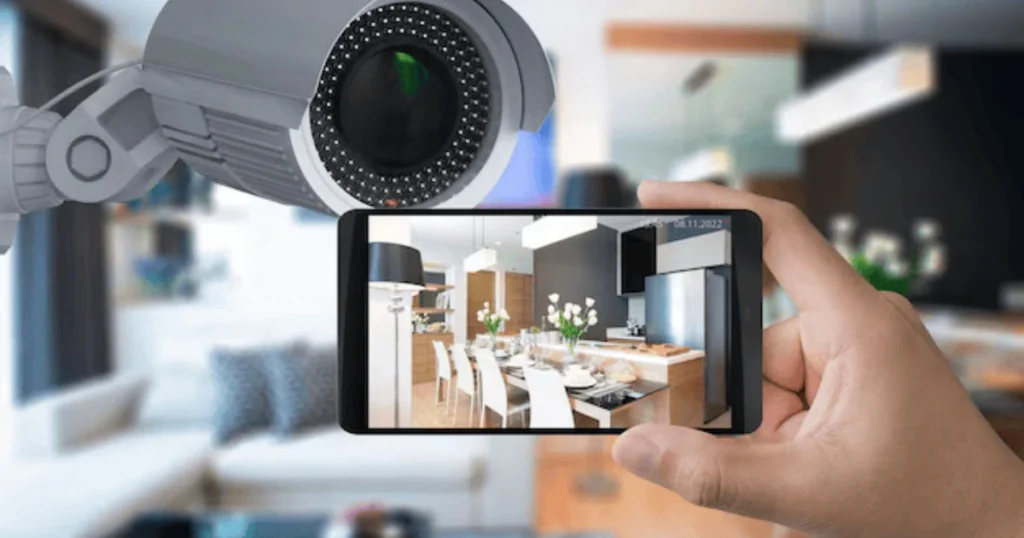
Business video surveillance systems enhance security with CCTV solutions that protect commercial properties and prevent theft and vandalism.
Today, video surveillance systems in businesses are not just for recording videos. They help deter crime, enhance business operations, and safeguard valuable assets. Every year, businesses lose billions of dollars due to crime, vandalism, and liability claims. As a result, video surveillance systems are not a choice; they are a requirement.
Business video surveillance today goes far beyond simple recording, playing a key role in preventing crime, improving operations, and protecting valuable assets. Modern systems combine commercial security cameras with AI-powered monitoring to provide real-time insights, 24/7 visibility, and smarter decision-making.
Video surveillance systems of today include commercial security cameras and artificial intelligence-based surveillance systems. These systems help businesses gain valuable insights, operate 24/7, and make better business decisions. You may own a retail store, office, warehouse, or a large business; a CCTV system can help you operate more efficiently.
Why Businesses Need Professional Surveillance
Every business has its own risks, and without an effective business surveillance system in place, these risks can lead to financial losses, legal disputes, or disruptions in daily operations. A modern CCTV video monitoring system, combined with the best security cameras for business, helps enhance security, improve visibility, and ensure smoother operations across all environments. It plays a crucial role in reducing both internal threats such as employee theft, inventory shrinkage, and operational misuse, as well as external risks like break-ins, vandalism, and shoplifting through continuous monitoring and real-time alerts.
Professional video surveillance systems not only provide security but also help prevent incidents from occurring in the first place. With the help of advanced technology such as AI video monitoring, businesses can stay secure at all times.
Internal Threats
Employee-related incidents are one of the major reasons for business losses. Problems such as inventory shrinkage, cash handling errors, or misuse of business resources could go unnoticed if there is no effective video surveillance.
With office video surveillance systems, businesses can:
- Keep an eye on employee activities in real-time
- Prevent employee theft or fraud
- Enhance employee responsibility and transparency
- Maintain records of business operations
In this way, video surveillance systems provide a safe and disciplined work environment for employees.
External Risks
Some of the external risks that many businesses face include break-ins, vandalism, and shoplifting. Some of these risks often occur at times when there is less movement of people.
With the help of commercial video surveillance cameras, you can:
- Keep your business safe at all times with constant video monitoring
- Quickly identify any suspicious activities occurring at your business locatio
- Deter any would-be offenders from committing any crime at your business location with the presence of video cameras
This will ensure that your business is fully covered even at times when there is no staff presence.
Liability Protection
In many cases, accidents occurring at the work environment, such as customer disputes or slip-and-fall accidents, often result in costly lawsuits for many businesses. Without video evidence, it is hard to resolve these disputes.
With a business CCTV video surveillance system, you can:
- Get video evidence of any accidents
- occurring at your business location
- Resolve disputes quickly and fairly
- Avoid false accusations or lawsuits
- Save your business from costly lawsuits
With video evidence, many businesses have been saved from costly lawsuits.
Compliance Requirements
There are many industries where businesses need to comply with strict regulations. Some of the requirements include insurance policies, working environment safety, and legal compliance.
With corporate video monitoring solutions, businesses can:
- Maintain security records appropriately
- Ensure regulatory and compliance requirements
- Assist in audits and inspections
- Ensure a safe working environment
This not only helps businesses avoid legal complications but also helps in gaining trust from their clients.
Top 6 Commercial Camera Types Compared
The correct placement of security cameras is a crucial aspect that determines the success of a business’s security system. No matter what kind of business security system a business installs, it won’t be effective if it’s not properly placed. The correct placement of security cameras allows a business to monitor all key areas.
The correct placement of security cameras in key areas such as entrances, cash handling areas, and open spaces allows a business to monitor all key areas efficiently.
Retail Store (5,000 sq ft)
Retail stores require proper monitoring to avoid theft.
Recommended Camera Setup:
- 2 cameras at the entrance with LPR (License Plate Recognition) capabilities
- 4 dome cameras at strategic points on the sales floor
- 2 cameras at cash handling areas (POS locations)
This camera placement allows a retail business to monitor all key areas efficiently.
Office (10,000 sq ft)
Offices require proper monitoring of all key areas.
Recommended Camera Setup:
- 1 fisheye camera at the lobby for wide coverage
- 8 dome cameras at strategic points on the floors and hallways
- 2 PTZ cameras for corners and open spaces
This camera placement allows a business to monitor all key areas efficiently.
Warehouse (20,000 sq ft)
Wide coverage is necessary in warehouses since spaces are huge and goods are valuable.
Recommended setup:
- 4 PTZ cameras for loading dock areas
- 8 cameras for inventory racks
- 4 cameras for perimeter security
This setup can help in tracking goods, preventing theft, and securing all entry points.
Quick Placement Overview
| Location | Camera Type | Purpose | Benefit |
|---|---|---|---|
| Entrances | LPR Cameras | Capture vehicle details | Improves access control |
| Sales Floor / Office Areas | Dome Cameras | General monitoring | Reduces blind spots |
| Large Open Areas | PTZ Cameras | Wide coverage + tracking | Real-time monitoring |
| Lobby / Open Space | Fisheye Cameras | 360° view | Covers large area with one device |
| Perimeter | Outdoor Cameras | External security | Prevents unauthorized access |
The proper placement of commercial security cameras is essential for building an effective surveillance system that delivers full coverage and reliable protection. Whether installed in retail stores, offices, or warehouses, commercial security cameras must be strategically positioned at entrances, cash handling points, open areas, and perimeters to eliminate blind spots and improve monitoring efficiency. With the right combination of LPR, dome, PTZ, and fisheye cameras, businesses can ensure better visibility, stronger access control, and improved security performance across all critical zones.
Essential Business Surveillance Features
For you to get the best out of your security cameras in your business, it is essential to consider security cameras that offer the best features. Today, business security cameras are designed to offer maximum visibility, performance, and security in all conditions. By considering the best features of security cameras, businesses can enhance security, minimize threats, and monitor their property.
Equipped with a commercial CCTV system, your business not only records videos but also helps you detect potential threats early enough. Some of the best features of security cameras play a crucial role in ensuring your business remains safe in all conditions.
Resolution & Clarity
One of the most important aspects of a security camera system is high resolution. In current times, security cameras with 4K resolution are quite common. These are used because they offer high-resolution images, which are quite clear.
It is quite important for businesses to have a clear video footage, especially for investigative purposes. With high-resolution images, businesses are able to avoid confusion and make quick decisions.
Night Vision Standards
Security threats often occur during the night or in dark conditions. This highlights the importance of security cameras with good night vision capabilities. Most security cameras currently in use have a night vision standard of 80 to 150 feet, which allows for continuous surveillance even in pitch darkness.
With good night vision, businesses can rest assured that their premises are secure even in dark conditions. This feature allows for continuous surveillance of all activities, whether in a warehouse or a parking lot.
Weatherproof Ratings
The cameras have to withstand harsh weather. Cameras with a rating of IP66 or higher are weather-resistant. They are made to withstand rain, dust, and extreme temperatures.
This guarantees that your video surveillance system for commercial properties operates efficiently without any hitches. The durability of the cameras ensures that maintenance costs are low.
Industry-Specific Surveillance Strategies
Each industry has its own security needs. As a result, each business needs a customized CCTV solution that suits its environment. A well-designed business video surveillance system is important for improving security, minimizing losses, and running the business smoothly.
Using the right cameras for each industry is important for effective video surveillance. This not only improves security but also enables effective management of the business.
Retail Stores
Retail stores are associated with high customer traffic, which leads to a high volume of transactions. As a result, they are more prone to theft and fraudulent activities.
Retail store CCTV systems allow businesses to:
- Control entry and exit points
- Watch over areas such as aisles and shelves
- Protect POS systems
- Prevent shoplifting with camera placement
In addition, artificial intelligence-based systems are able to identify suspicious behavior, which helps prevent theft.
Office Buildings
When it comes to office buildings, the security system should be able to control entry points as well as ensure the security of the employees. A quality office CCTV system should be able to point out areas that need security paramount. Office buildings use CCTV systems in the following ways:
- Control entry points such as lobbies
- Protect areas such as hallways
- Control restricted areas
- Protect areas such as after-hours entry points
By doing so, the system is able to control the entry of people into the office, thereby providing security.
Office building security surveillance plays a crucial role in ensuring the safety of employees, visitors, and sensitive business areas. By strategically monitoring entry points such as lobbies, hallways, restricted zones, and after-hours access areas, it helps maintain strict access control and reduces security risks. A well-designed office surveillance system not only enhances workplace safety but also ensures better accountability and smooth day-to-day operations within the building.
Warehouses
Warehouses are considered a high-risk area due to the huge space and the value of the inventory stored. A quality security camera system is necessary for a warehouse so that the whole area is covered.
The advantages of using a security camera system in a warehouse include:
- Use of PTZ cameras
- Use of thermal cameras
- Tracking of inventory
- Prevention of theft and unauthorized access
Restaurants
Restaurants need video surveillance for security and efficiency. Video cameras should be installed where food is prepared and where customer service is delivered.
With video surveillance, restaurants can achieve the following:
Safety and hygiene in the kitchen area
Tracking activities within the restaurant area
Secure delivery area and pickup area
Order accuracy and quality service
This will help restaurants provide quality service with a safe environment for staff and customers.
CCTV vs Remote Monitoring Decision Matrix
Businesses often struggle to choose between standalone CCTV and advanced monitoring systems.
| Need | Standalone CCTV | OHZ Remote Monitoring |
|---|---|---|
| Budget | $5K setup | Uses existing system |
| Response | Recording only | 30-sec live response |
| Coverage | Fixed angles | Unlimited cameras |
| Deterrence | 25% | 92% with audio |
| Cost/Mo | $200 storage | $500 full service |
While traditional business video surveillance systems provide recording, remote monitoring adds real-time intervention and significantly improves security outcomes.
This table illustrates the difference between stand-alone closed circuit television cameras and OHZ Remote Monitoring in terms of cost efficiency, performance, and effectiveness.
- Cost: Stand alone CCTV system requires around $5K set up, whereas the OHZ Remote Monitoring system can make use of an existing system thus reducing costs.
- Reaction: Conventional CCTV systems capture incidents, while OHZ Remote Monitoring systems react within 30 seconds.
- Field of Operation: Stand-alone cameras have fixed camera positions and cannot expand, but remote monitoring allows for unlimited camera field of view.
- Deterrent Effect: Passive CCTV cameras act as deterrents at 25%, while OHZ achieves up to 92% deterrent effect through live audio alerts.
- Operating Costs: Conventional CCTV incurs monthly storage costs ($200/month), while OHZ Remote Monitoring incurs monthly costs of $500/month for full monitoring services.
Traditionally, business video security systems are reactive systems since they only capture incidents after they occur. OHZ remote monitoring makes the security proactive since it detects, reacts, and stops occurrences.
Remote surveillance for office security provides businesses with continuous monitoring and real-time protection of employees, assets, and sensitive areas such as entrances, lobbies, and restricted zones. Instead of relying on traditional on-site-only systems, remote surveillance enables trained professionals to monitor live camera feeds, detect suspicious activity instantly, and take immediate action when needed. As a result, offices benefit from faster response times, improved safety, and stronger overall security without requiring constant physical security presence.
Optimal Camera Placement Blueprint
The placement of security cameras is of utmost importance in a bid to achieve maximum output from security cameras. It is essential to note that a business may have invested in the best security cameras in a business surveillance system, but they would be of no use if security cameras are not placed appropriately.
The placement of security cameras appropriately would allow businesses to keep an eye on all areas of concern.
Retail Store (5,000 sq ft)
Retail stores require security cameras to avoid shoplifting and monitor consumer activities.
Recommended setup:
- 2 entrance cameras with LPR (License Plate Reader) installed
- 4 dome cameras installed in sales areas
- 2 cameras installed in cash handling areas (POS)
This will allow businesses to monitor consumer activities as well as avoid shoplifting.
Office (10,000 sq ft)
Offices require security cameras to monitor all areas of concern.
Recommended setup:
- 1 fisheye camera installed in lobby area
- 8 dome cameras installed in all areas of concern
- 2 PTZ cameras installed in corner areas
Quick Placement Overview
| Location | Camera Type | Purpose | Benefit |
|---|---|---|---|
| Entrances | LPR Cameras | Capture vehicle details | Improves access control |
| Sales Floor / Office Areas | Dome Cameras | General monitoring | Reduces blind spots |
| Large Open Areas | PTZ Cameras | Wide coverage + tracking | Real-time monitoring |
| Lobby / Open Space | Fisheye Cameras | 360° view | Covers large area with one device |
| Perimeter | Outdoor Cameras | External security | Prevents unauthorized access |
Installation & Integration Checklist
To install a reliable business video surveillance system, there is a need for proper planning and the right approach. A well-installed commercial video surveillance system provides stability to the system, improves security coverage, and offers greater reliability. Through best practices for commercial video surveillance installation, businesses can avoid common video surveillance problems.
Proper installation is also important for the efficiency of the video surveillance system. Every step is significant in building a strong video surveillance system.
Key Installation Steps:
- Conduct a site survey
- Identify high-risk areas and blind spots
- prior to camera installation
- Install PoE cabling
- Use a reliable connection with the Power over Ethernet technology
- Set up storage
- Configure the NVR or cloud storage with a minimum 90-day video retention policy
- Enable remote
- Configure the system for mobile or remote access for live video
- Properly train the staff
- Properly train the staff on the usage of the system
- Compliance
- Comply with insurance, legal, and safety regulations for the industry
Installation Overview Table
| Step | Purpose | Benefit |
|---|---|---|
| Site Survey | Identify risks and blind spots | Ensures full camera coverage |
| PoE Cabling | Provide power + data | Stable and efficient setup |
| Storage Setup | Record and store footage | Easy access to past data |
| Remote Access | Monitor from anywhere | Faster response time |
| Staff Training | Proper system usage | Reduces errors and misuse |
| Compliance | Meet legal standards | Avoids penalties and risks |
Advanced Benefits of Business Video Surveillance
However, modern video monitoring solutions are not limited to security purposes. Modern business video surveillance solutions provide a wide array of tools that not only enhance security but also assist in the smooth running of the business and the satisfaction of the customers. Therefore, with the help of modern features, it is possible to make the best use of the information available through video surveillance.
A well-designed business video surveillance system offers a wide view of the business operations and enables the owners or managers of the business to make the best decisions while providing a secure environment for the customers and the employees.
Operational Efficiency
Cameras assist managers in tracking business workflow, detecting areas of congestion, and increasing operational efficiency. Managers are able to optimize business workflow by tracking real-time activities.
Customer Experience Insights
In a retail or service-based business, security cameras may be used to track customer flow within a business. Tracking customer flow enables businesses to optimize their layout for increased sales, leading to a better customer experience.
Remote Management
Business owners are able to manage multiple businesses remotely through cloud-based systems or mobile devices. Managers are able to track real-time activities from a remote location, providing them with control over their businesses.
Data-Driven Decisions
The AI-based analytics enabled in modern surveillance systems offer valuable insights, including:Unusual activities/trends identification
- Employee performance monitoring
- Reducing operational risks
- Support for strategic planning
- These enable businesses to make smarter decisions, thus increasing efficiency.
Surveillance cameras New Jersey are increasingly being used not just for security, but also for improving overall business operations and decision-making. Modern business surveillance systems provide operational efficiency by helping managers monitor workflow, reduce congestion, and optimize daily activities through real-time insights. In addition, they enhance customer experience by tracking movement patterns in retail and service environments, allowing businesses to improve layout and increase engagement. With remote management capabilities, business owners in New Jersey can access live footage from multiple locations anytime, while AI-powered analytics help identify unusual activities, monitor employee performance, and support data-driven strategic planning.
Integration with Remote Monitoring Systems
The use of CCTV cameras with the remote monitoring service capability equips a business with a solid business security system. Not only does this system record images, but it does so in a way that works for the protection of the business, the employees, and the properties.
The integration of the use of CCTV cameras with the remote monitoring service equips businesses with the ability to monitor their businesses in real-time. This allows for a quicker response to potential security threats, thus reducing the amount of loss.
Key Advantages
- Alerts and Interventions in Real-Time
The security personnel get alerts in real-time if there is any suspicious activity. This enables them to act accordingly. - Audio Warnings in Real-Time
The remote operators can talk directly to the criminal or the person through speakers. Thus, they caution the criminal or the person in real-time. - Police Dispatch in Real-Time
In case of emergencies, the security personnel can contact the police. This enables them to act quickly. - Monitoring in Real-Time without Tiredness
The remote operators do not get tired or take a break.
Cost vs Value: Why Surveillance Is a Smart Investment
Investing in a business video surveillance system is not just about security—it’s a smart financial decision. The right system delivers measurable return on investment (ROI) by reducing losses, protecting assets, and improving operational efficiency.
Even though installing a commercial CCTV system requires an upfront cost, the long-term benefits often outweigh the initial expense. In many cases, preventing just one theft, accident, or security breach can cover the system cost for an entire year.
Key Benefits That Drive ROI
- Prevents theft and reduces losses
Surveillance systems deter internal and external theft, protecting inventory and valuable assets. - Lowers insurance premiums
Many insurance providers offer discounts for businesses with professional surveillance, reducing ongoing costs. - Minimizes legal risks
Recorded footage helps resolve disputes, slip-and-fall claims, and liability incidents quickly and accurately. - Improves employee accountability
Monitoring workplace activity encourages compliance, reduces misconduct, and supports productivity.
Quick Cost vs Value Overview
| Investment | Benefit | Value |
|---|---|---|
| Initial CCTV setup | Theft prevention | Protects assets worth thousands |
| Insurance discounts | Lower premiums | Saves recurring costs annually |
| Video evidence | Legal protection | Resolves disputes efficiently |
| Employee monitoring | Accountability | Increases productivity and reduces misconduct |
Scalability for Growing Businesses
As the business grows, its security needs change as well. A good business monitoring system design should allow for growth within the business. Scalability is important for any business’s security needs. A scalable surveillance system is important for any business.
With a scalable system, a business owner is able to keep his or her business secure as the business grows. The growth may be in terms of new stores opening up or an increase in warehouse space.
Key Advantages of Scalable Surveillance
- Add cameras without replacing infrastructure
Expand your surveillance system quickly by integrating new cameras with your existing system. - Centralize the management of multiple locations
Control all locations from a single screen, reducing the need for security personnel at individual locations. - Use cloud-based systems for easier management
Access and manage your stored video footage securely from anywhere, making management easier. - Use AI analytics for scalable operations
Increase efficiency with the power of AI for managing multiple locations or a wide area.
In conclusion, OHZ Remote Guarding security in New Jersey delivers advanced, real-time video monitoring services that help businesses stay protected without relying solely on on-site security personnel. Instead of just recording footage, OHZ actively monitors live camera feeds using AI-powered detection and trained professionals who respond instantly to suspicious activity. This proactive approach ensures faster intervention, improved deterrence, and stronger overall protection for commercial properties across New Jersey.
By focusing purely on remote video monitoring, OHZ helps businesses reduce response times, prevent incidents before they escalate, and maintain continuous situational awareness. As a result, organizations gain a more efficient and cost-effective security solution that enhances safety, improves operational control, and provides 24/7 peace of mind without the need for physical security deployment.
FAQs
This FAQ highlights key considerations for business security camera systems, including camera coverage, resolution, reliability, privacy compliance, and ROI to help organizations choose the right surveillance setup.
How many cameras do I need for a 10,000 sq ft office?
Typically, 10–14 cameras are recommended. This includes coverage for the lobby, hallways, work areas, and key entry points to ensure complete monitoring.
Do I need 4K resolution for business surveillance?
Yes. 4K cameras provide sharp, detailed images, making it easier to identify faces, read license plates, and future-proof your system as technology advances.
Are wireless cameras reliable?
Wireless cameras work well for remote sites, but for main business locations, wired systems are usually preferred due to stable connectivity and continuous power.
What night vision range is required?
For effective low-light monitoring, cameras should have at least 80 feet of infrared night vision. This ensures security coverage after dark.
Can existing CCTV systems be upgraded?
Yes. Most modern business surveillance systems can integrate with existing cameras and infrastructure, allowing upgrades with minimal disruption.
What is the typical ROI timeline for surveillance systems?
Businesses often see a return on investment within 3–6 months, depending on the prevention of theft, incidents, or operational losses.
Can multiple locations be managed together?
Yes. Centralized dashboards allow business owners to monitor multiple sites simultaneously, improving efficiency and oversight.
How is employee privacy handled?
Only public and common areas are monitored. Systems are designed to comply with privacy laws and maintain employee confidentiality.

Security content creator with OHZ Remote Guarding, focusing on advanced asset protection strategies during extended business closures and seasonal risks.